Creating Your Home Fire Safety Checklist: Are You Prepared?
Creating Your Home Fire Safety Checklist: Are You Prepared?
A fire safety checklist isn't just a list of tasks; it's a roadmap to protecting your family and your home. This comprehensive guide will walk you through essential steps to create a personalized checklist, ensuring you're prepared for any fire-related emergency. We’ll cover everything from smoke detectors and kitchen safety to proper storage of flammable materials and escape planning.
Smoke and Carbon Monoxide Detection: Your First Line of Defense
Early warning is crucial in any fire emergency. Your fire safety checklist should prioritize the installation and maintenance of smoke and carbon monoxide detectors.
Smoke detectors are your primary defense against house fires. These life-saving devices alert you to the presence of smoke, giving you precious time to escape. Your fire safety checklist should include the following regarding smoke detectors:
Placement: Install smoke detectors on every level of your home, inside and outside each sleeping area, and in hallways.
Age: Replace smoke detectors every 10 years. Check the manufacturing date on the back.
Testing: Test your smoke detectors monthly to ensure they're functioning correctly.
Battery Replacement: Replace batteries annually or when the alarm chirps, indicating a low battery.
Carbon monoxide (CO) is an odorless, colorless gas that can be deadly. CO detectors are equally vital, often overlooked in a fire safety checklist. They alert you to dangerous CO levels, preventing potential poisoning.
Remember to follow the same testing and replacement schedule for CO detectors as you would for smoke detectors, but bear in mind that CO detectors generally have a shorter lifespan (7 years).
Kitchen Safety: Preventing Cooking Fires
The kitchen is a common origin point for house fires. A thorough fire safety checklist includes detailed kitchen safety measures.
Cooking is a leading cause of residential fires. Always practice the "Stay and Look When You Cook" approach: never leave cooking unattended. Keep the stove and oven clear of flammable materials such as towels or curtains. Maintain a 3-foot "kid-free zone" around the stove and other hot appliances to prevent accidents.
Regular cleaning is essential. Clean your dryer lint screen after every load of laundry. Schedule professional cleaning of dryer vents and ductwork at least once a year to prevent lint buildup, a major fire hazard. Similarly, regular professional inspection of gas appliances and chimneys is a crucial component of a comprehensive fire safety checklist.
Safe Storage of Flammable Materials: Minimizing Risks
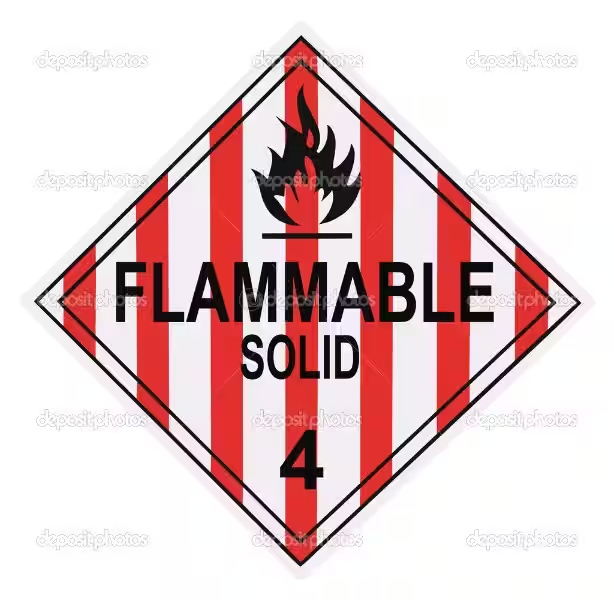
Proper storage of flammable materials is a critical aspect of your fire safety checklist. Improper storage can significantly increase the risk of fire.
Flammable chemicals and liquids should be stored away from heat sources, open flames, electrical appliances, and, importantly, children. Keep them in their original containers, clearly labeled, in a well-ventilated area. Never store flammable materials near utilities or in areas prone to ignition.
Overloaded electrical circuits, damaged cords, and missing outlet covers are all significant fire hazards. Inspect your electrical system regularly and address any issues immediately. Replace frayed cords and ensure all outlets have covers, especially in homes with children. This is a crucial aspect of any comprehensive fire safety checklist.
Garages often accumulate flammable items. Reduce the quantity of stored flammable materials in your garage as much as possible. If storage is necessary, consider using approved steel safety cabinets. Remember to always store gasoline and other flammable liquids in properly ventilated areas, away from any ignition sources.
Fire Extinguishers and Emergency Preparedness: Taking Action
A fire safety checklist isn't complete without addressing the use and placement of fire extinguishers and comprehensive emergency planning.
Keep at least one fire extinguisher in the kitchen, utility room, and garage. Ensure they are fully charged, easily accessible, and less than 12 years old. Regularly check the pressure gauge to ensure they're ready for use. Remember to learn how to use a fire extinguisher safely and correctly. This is a key component of your fire safety checklist.
Your house numbers must be clearly visible from the street to aid emergency responders. Keep fire hydrants clear of obstructions to allow for quick access.
Finally, and arguably most importantly, establish and practice a fire escape plan with your family. This is a vital part of your fire safety checklist. Ensure everyone knows two exit routes from each room and a designated meeting place outside the home. The door between the house and attached garage should be self-closing and latching to prevent fire from spreading. Practice your fire escape plan regularly to ensure everyone knows and understands the procedure.
Remember to teach all household members how to contact emergency services (9-1-1 or your local equivalent). This is not merely a suggestion, but a potentially life-saving aspect of your fire safety checklist.
Review and Update Your Fire Safety Checklist Regularly
This thorough fire safety checklist provides a comprehensive starting point. However, it's crucial to review and update your checklist regularly, at least annually. Your needs may change over time, and regular reviews will help you identify and address any potential vulnerabilities. Remember, proactive measures are key to ensuring the safety of your home and loved ones.
Fire Safety Checklist FAQ
Here are some frequently asked questions about fire safety and how to use a checklist to protect your home and family:
How often should I test my smoke detectors?
Smoke detectors should be tested monthly. This ensures they are functioning correctly and will alert you in case of a fire. Replace the batteries annually, and replace the entire unit every 10 years.
What about carbon monoxide detectors? How often should those be checked?
Carbon monoxide detectors should also be tested monthly and batteries replaced annually. However, these detectors typically have a shorter lifespan and should be replaced every 7 years.
Kitchen safety is crucial. Always "Stay and Look When You Cook" to prevent unattended cooking fires. Keep your stove and oven free of clutter. Maintain a 3-foot safety zone around cooking areas for children and pets. Regularly clean your dryer lint screen and have your dryer ductwork professionally cleaned. Regular professional inspection of gas appliances and chimneys is also highly recommended.
How should I store flammable materials?
Flammable chemicals and liquids should be stored away from utilities, open flames, and children. Keep garages clutter-free and store flammable materials in reduced quantities, ideally in approved steel safety cabinets.
What are some common electrical fire hazards?
Overloaded electrical circuits, damaged cords, and missing outlet covers are all significant fire hazards. Address these issues immediately.
Where should I place fire extinguishers?
Fire extinguishers should be placed in the kitchen, utility room, and garage. Ensure they are fully charged, easily accessible, and less than 12 years old. Know how to use them properly.
What about my home's exterior? Are there any fire safety considerations?
Yes, your home's exterior also plays a role in fire safety. Ensure your house numbers are clearly visible from the street, and keep fire hydrants clear of obstructions.
What is the most important thing I need to do for my family's safety?
Develop and practice a fire escape plan with your family. This should include at least two escape routes from each room and a designated meeting place outside the home. Everyone in the household should know the plan. The door between the house and attached garage should be self-closing and latching.
How do I contact emergency services?
Know how to contact your local emergency services. In most areas, this is 9-1-1. Program this number into your phones. Practice calling them to ensure your family knows what to do in an emergency.