Understanding the Importance of the Flammable Placard
Understanding the Importance of the Flammable Placard
Do you know what a flammable placard signifies and why it's crucial for safety? Understanding the meaning and proper use of flammable placards is vital for preventing accidents and complying with regulations. This comprehensive guide will explore the significance of flammable placards, their legal requirements, and best practices for their use.
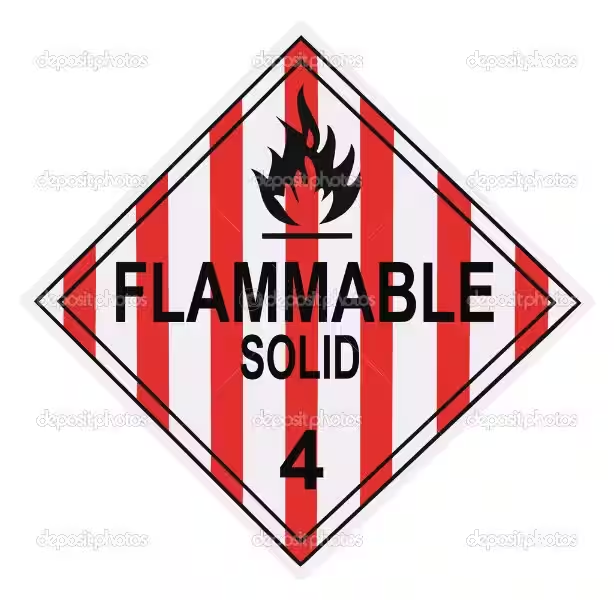
A flammable placard is a diamond-shaped sign, typically orange with black lettering, that indicates the presence of flammable materials. These placards are required by law to be displayed on vehicles and containers transporting hazardous materials, including flammable liquids, gases, and solids. Their purpose is to instantly alert emergency responders and other individuals to the potential dangers present.
The information displayed on a flammable placard is standardized to ensure clear and consistent communication across different jurisdictions. This standardization allows emergency responders and transportation workers to quickly identify the hazardous material and take appropriate safety precautions.
The Importance of Standardized Placards
The consistent design and information on a flammable placard is critical. Imagine a world where every company used its own unique design – chaos would ensue! The standardized system allows for quick and unambiguous identification, saving valuable time in emergency situations where seconds can mean the difference between life and death. Without this standardization, the response to hazardous material incidents would be significantly more complex and dangerous.
Legal Requirements for Flammable Placards
The use of flammable placards is mandated by numerous regulatory bodies, including the Department of Transportation (DOT) in the United States. These regulations are designed to ensure the safe transportation of hazardous materials, protecting both the public and transportation workers.
Failure to properly display a flammable placard when required can lead to significant penalties, including hefty fines and potential legal action. The exact regulations and penalties vary by jurisdiction, so it's crucial to understand the specific laws applicable to your location and the materials you're transporting.
Understanding DOT Regulations
The DOT's Hazardous Materials Regulations (HMR) provide a detailed framework for the transportation of hazardous materials. These regulations specify the requirements for placarding, including the types of placards to be used, their placement on vehicles and containers, and the conditions under which they must be displayed. It is crucial for businesses involved in the transportation of flammable materials to be thoroughly familiar with these regulations. Failure to comply can result in serious consequences.
The type of flammable material being transported determines the specific placard required. Different classes of flammable materials exist, each carrying varying degrees of hazard. For example, Class 3 flammable liquids require a specific flammable placard, while other classes of flammable materials may require different placards or combinations of placards.
Many resources are available to help determine the correct placard for a given material, including the DOT's comprehensive guide and specialized hazardous materials training courses. Consulting these resources is crucial for ensuring compliance and safety.
Beyond the Basic Flammable Placard
While the basic "Flammable" placard is common, you may also encounter placards indicating specific flammability hazards or other associated dangers. For instance, a flammable placard might be accompanied by a placard indicating a specific hazard like "Oxidizer" or "Poison." These supplementary placards provide additional information about the potential dangers of the transported goods, allowing for more effective safety measures.
Best Practices for Flammable Placard Use
Beyond legal requirements, several best practices ensure that flammable placards are used effectively to maximize safety. These best practices focus on proper placement, maintenance, and overall awareness.
Regular inspection of placards is crucial. Damaged or faded placards must be replaced immediately to ensure clarity and effective communication. This is not just a matter of compliance; it is a matter of safety for everyone involved.
Ensuring Placard Visibility
Placards must be clearly visible from all directions. Obstructions should be avoided, and the placards should be in good condition and well-illuminated, especially at night. Proper placement and maintenance are vital to ensure that the warning is readily apparent. This is critical for emergency responders and other individuals who may need to quickly assess the potential hazards present.
The Future of Flammable Placarding
While the basic principles of flammable placarding remain consistent, technology is influencing how this information is conveyed. Digital solutions and improved materials are emerging to enhance visibility and durability. These advancements ensure that the critical information conveyed by the flammable placard remains accurate and easily accessible in an evolving world. These innovations will further enhance safety and compliance efforts in the transportation of hazardous materials.
In conclusion, the humble flammable placard is more than just a sign; it's a vital component of safety and compliance in transporting flammable materials. Understanding its significance, legal requirements, and best practices is crucial for ensuring the safety of workers, the public, and the environment. Remember, complying with regulations is not just a legal obligation but a commitment to safety.
Flammable Placard FAQ
What is a flammable placard?
A flammable placard is a diamond-shaped sign, typically red, used to identify materials being transported that pose a significant fire hazard. These placards are required by law for the transportation of hazardous materials, including flammable liquids, gases, and solids, to warn first responders and the public of potential dangers. The placard clearly indicates the hazard class and division, providing crucial information for emergency response planning and safe handling procedures.
Why are flammable placards important?
Flammable placards are essential for safety. They provide immediate visual warning to emergency responders and other personnel about the presence of flammable materials. This advance warning allows for quick and informed response in case of an accident, reducing the risk of fire or explosion and minimizing potential damage and injury. Proper placarding is a legal requirement and crucial for preventing serious incidents.
What information does a flammable placard contain?
A flammable placard will display the hazard class (Class 3 in the case of flammable liquids) and may include a UN number or other identification codes. The specific information displayed depends on the nature of the flammable material and the relevant regulations. The color, shape, and symbols are standardized internationally to ensure consistent understanding.
Who needs to use flammable placards?
Anyone transporting flammable materials by road, rail, or other means, in quantities requiring placards under applicable regulations (such as those outlined by the Department of Transportation - DOT in the United States or equivalent international regulations), must display the appropriate flammable placards prominently on their vehicle or container. This applies to both commercial and private transportation, contingent on the quantity of material being transported.
What happens if I don't use a flammable placard when required?
Failure to properly placard flammable materials during transport is a serious violation of safety regulations and can result in significant penalties, including fines and potential legal action. More importantly, it puts emergency responders and the public at significant risk. The consequences of inadequate placarding can range from delays in emergency response to catastrophic incidents involving fire or explosion.
Where can I get more information about flammable placard regulations?
Detailed information about flammable placard requirements, including specific regulations and guidelines, can be found through official government agencies such as the Department of Transportation (DOT) in the United States, or equivalent regulatory bodies in other countries. Additional resources may be available through industry associations and safety training organizations. Consulting with a safety expert is also advisable to ensure full compliance with all relevant regulations.
What types of flammable materials require placards?
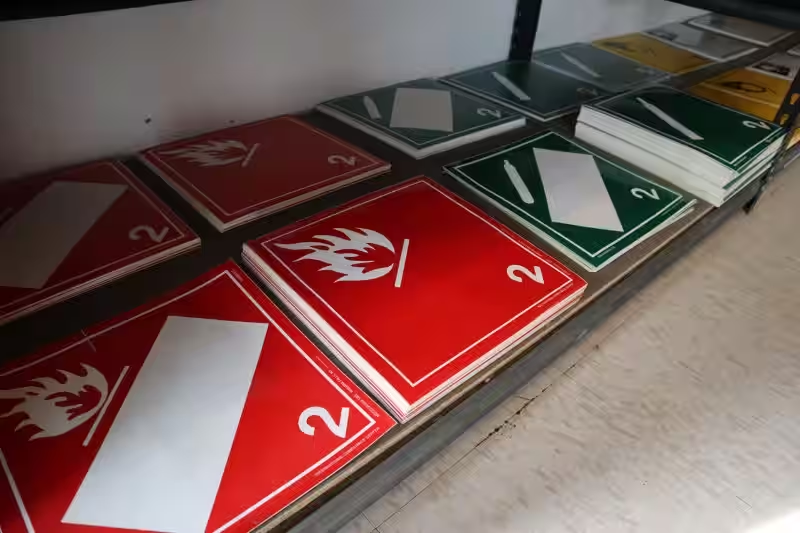
Various materials fall under the classification of flammable and require placards during transport. These include flammable liquids (Class 3), flammable solids (Class 4.1), flammable gases (Class 2), and other materials that exhibit fire hazards under specific conditions. The specific requirements depend on the material's properties and the quantity being transported. Consult the relevant transportation regulations for a comprehensive list.
Are there different types of flammable placards?
While the basic shape and color remain consistent (diamond-shaped and red), there can be variations in the specific markings and information displayed depending on the subclass of flammable material and the degree of hazard. For instance, a placard might indicate a specific UN number or other identification code relevant to the material being transported.
Are there size requirements for flammable placards?
Yes, there are specific size requirements for flammable placards depending on the regulations and the mode of transportation. The placards must be large enough to be clearly visible from a reasonable distance and meet the minimum size specifications outlined in the relevant regulations. Using incorrectly sized placards can result in non-compliance.
What should I do if I encounter a vehicle with a flammable placard?
If you encounter a vehicle displaying a flammable placard, maintain a safe distance and avoid any actions that could potentially ignite a fire. If you witness an accident or incident involving the vehicle, immediately contact emergency services and provide them with the information displayed on the placard to aid in their response.