Understanding Dangerous Placards: A Guide to Hazard Identification
Understanding Dangerous Placards: A Guide to Hazard Identification
Dangerous placards are ubiquitous in our world, silently marking the presence of hazardous materials in transit. From the tanker trucks rumbling down the highway to the rail cars parked in sidings, these diamond-shaped labels are essential for public safety. But what exactly do they mean? How can we understand what these seemingly cryptic symbols represent and how to react appropriately when we encounter them? This article will explore the world of dangerous placards, providing you with the knowledge to identify and react safely to hazardous materials.
Deciphering the Diamond: The Structure of Dangerous Placards
Dangerous goods placards follow a standardized format, making them recognizable worldwide. The basic structure is a diamond divided into four quadrants, each with a specific purpose. Understanding this structure is the first step toward effective hazard identification. These placards aren't simply decorative; they're critical for first responders, emergency personnel, and the general public alike. Misinterpreting a dangerous placard can have severe consequences.
The top quadrant indicates the primary hazard class, usually represented by a number and a specific symbol. The remaining three quadrants may contain additional information, such as subsidiary hazard classes or specific warnings. The presence and absence of symbols within the placards offer crucial clues. For example, a flammable symbol versus an explosive one indicates entirely different precautions.
Hazard Classes and Their Corresponding Placards
The most crucial aspect of understanding dangerous placards is recognizing the different hazard classes. These classes categorize materials based on their inherent dangers, such as flammability, toxicity, or corrosiveness. Each class is represented by a specific number and often a unique symbol. Familiarizing yourself with these classes and their corresponding symbols is paramount.
Here's a short list of some common hazard classes:
Class 1: Explosives: These materials can detonate or rapidly decompose, causing a violent explosion. The placards for explosives are readily identifiable due to their prominent use of explosive symbols.
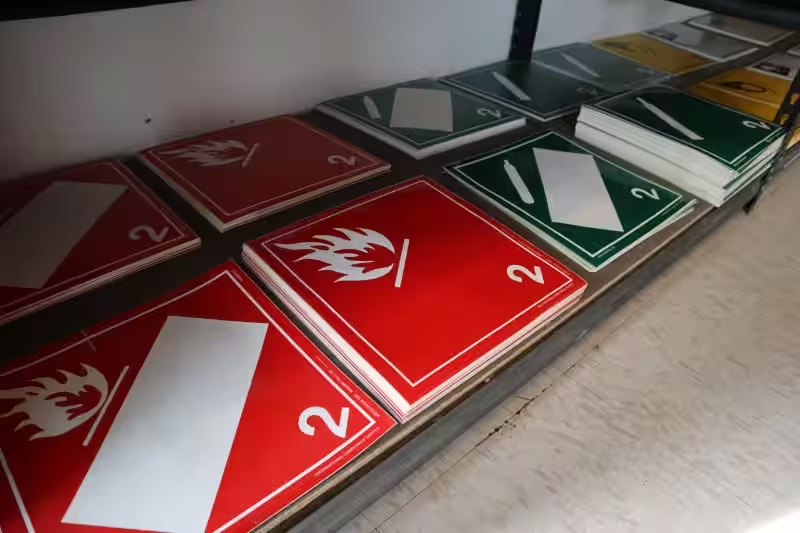
Class 2: Gases: This includes flammable, toxic, or oxidizing gases. The placard will indicate the specific type of gas hazard.
Class 3: Flammable Liquids: These liquids have a low flash point and can easily ignite. Look for the flame symbol.
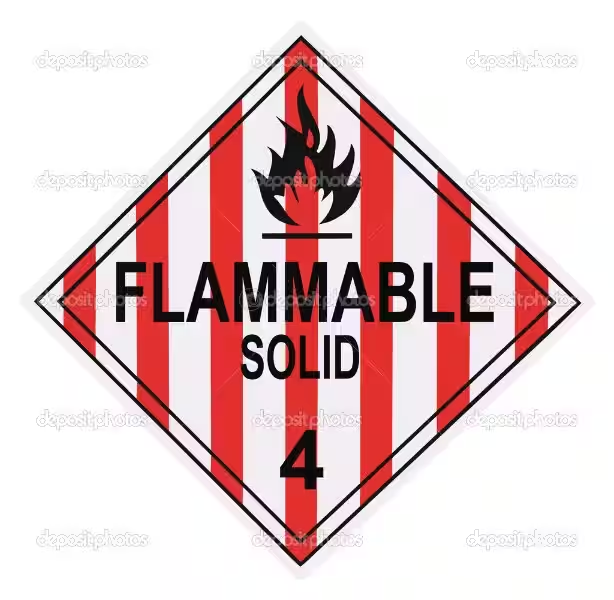
Class 4: Flammable Solids: These solids are easily ignited and can burn rapidly.
Class 5: Oxidizing Substances and Organic Peroxides: These substances can enhance combustion or react violently with other materials.
Class 6: Toxic and Infectious Substances: These substances can cause serious health problems or even death through inhalation, ingestion, or skin contact. These placards often feature skull and crossbones.
Class 8: Corrosive Substances: These materials can cause severe damage to skin and eyes.
Class 9: Miscellaneous Dangerous Goods: This class encompasses materials that don't fit into the other categories but still pose significant hazards.
This is not an exhaustive list, but it provides a good starting point for understanding the variety of hazards represented by dangerous placards.
Beyond the Diamond: Additional Information and Safety Precautions
While the diamond-shaped placard provides the primary hazard information, other markings and information may be present. This additional information is crucial for a comprehensive understanding of the potential risks. Don't overlook these details; they can significantly influence your response.
These additional markings might include:
UN Numbers: These four-digit numbers uniquely identify specific hazardous materials. Knowing the UN number can help pinpoint the exact substance involved in an emergency.
Emergency Response Guides (ERG): These guides provide detailed information on how to respond to incidents involving specific hazardous materials.
Additional Placards or Labels: Some shipments may require multiple placards, indicating the presence of several hazard classes. These combined hazards require careful consideration to ensure safety.
Responding Safely to Dangerous Placards
Encountering a dangerous placard requires immediate action. Your response should be guided by the information provided on the placard and your level of training. Never attempt to handle or approach a hazardous material without proper training and personal protective equipment (PPE).
Here’s a crucial breakdown of how to respond:
Maintain a safe distance: Keep a safe distance from the source of the hazard, especially if you are unsure of the specific risk.
Contact emergency services: Immediately contact emergency services to report the location of the hazardous material.
Follow emergency response guidelines: If you have received training in emergency response, follow the established procedures for handling the specific hazard.
Evacuate the area if necessary: If instructed by emergency services or if you feel your safety is threatened, evacuate the area immediately. Never underestimate the potential danger.
Remember, safety is paramount. Always err on the side of caution when dealing with hazardous materials.
Conclusion: The Importance of Hazard Awareness
Understanding dangerous placards is not just about recognizing symbols; it’s about understanding the potential risks associated with hazardous materials and knowing how to react safely. By familiarizing yourself with the various hazard classes, their corresponding placards, and the additional information provided, you can contribute to a safer environment for yourself and others. Remember, knowledge is power, and in the face of hazardous materials, knowledge is essential for safety.
Since the provided text is not about dangerous placards, I will create a FAQ section based on general knowledge about them. This information is common knowledge in the field of transportation and hazardous materials handling.
Dangerous Placards: Frequently Asked Questions
What are dangerous placards?
Dangerous placards are diamond-shaped signs used to identify the hazards associated with the transportation of dangerous goods. They are placed on the outside of vehicles, containers, and rail cars carrying hazardous materials to warn emergency responders and the public of potential dangers. These placards communicate the primary hazard class of the cargo.
Why are dangerous placards important?
Dangerous placards are crucial for public and responder safety. They provide immediate visual identification of hazardous materials, allowing emergency responders to take appropriate precautions during incidents involving spills, accidents, or fires. This quick identification is critical for effective emergency response and mitigation.
What information do dangerous placards convey?
Dangerous placards indicate the hazard class of the transported material. Each class (e.g., explosives, flammable liquids, toxic substances) has a specific placard with a unique identifier and often a symbol. This allows for immediate understanding of the potential dangers, even without detailed knowledge of the specific substance.
While both placards and labels provide hazard information, they serve different purposes and are used in different contexts. Placards are large, easily visible signs placed on the exterior of transport vehicles, while labels are smaller and placed directly on the packaging of the hazardous material. Labels provide more detailed information about the specific substance.
What should I do if I see a vehicle with a dangerous placard?
Maintain a safe distance from the vehicle. Do not approach or attempt to handle the cargo unless you are a trained emergency responder. Observe the placard to understand the potential hazards and if necessary, contact emergency services immediately to report the situation. Your safety is paramount.
Where can I find more information about dangerous placards?
You can find detailed information about dangerous placards and hazardous materials transportation regulations from your country's Department of Transportation (or equivalent agency), as well as various online resources dedicated to hazardous materials safety. These resources often provide comprehensive guides and training materials.
Are there specific regulations governing the use of dangerous placards?
Yes, the use of dangerous placards is strictly regulated by national and international transportation regulations (e.g., in the US, by the Department of Transportation; internationally, by the UN). These regulations specify which placards must be used for different hazard classes and the proper placement and display of the placards. Failure to comply can result in significant penalties.