Understanding the meaning of transportation placards is crucial for ensuring safety and compliance. This article focuses on the significance of the 1203 placard, which indicates a specific class of hazardous materials. We'll delve into its meaning, the regulations surrounding it, and the importance of proper handling and transportation.
The 1203 placard signifies that the vehicle or container it's affixed to carries flammable liquids. More specifically, it usually indicates the presence of gasoline and gasoline-alcohol blends (UN1203). This isn't just about any flammable liquid; this particular UN number designates a specific type of flammable liquid with its own set of handling and transportation regulations.
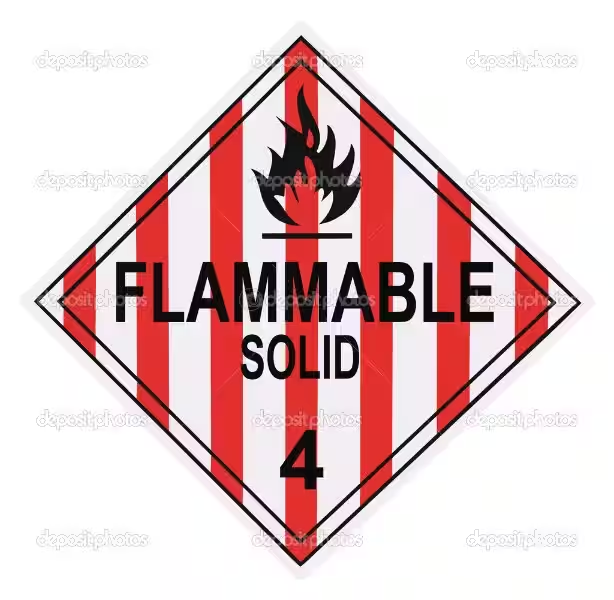
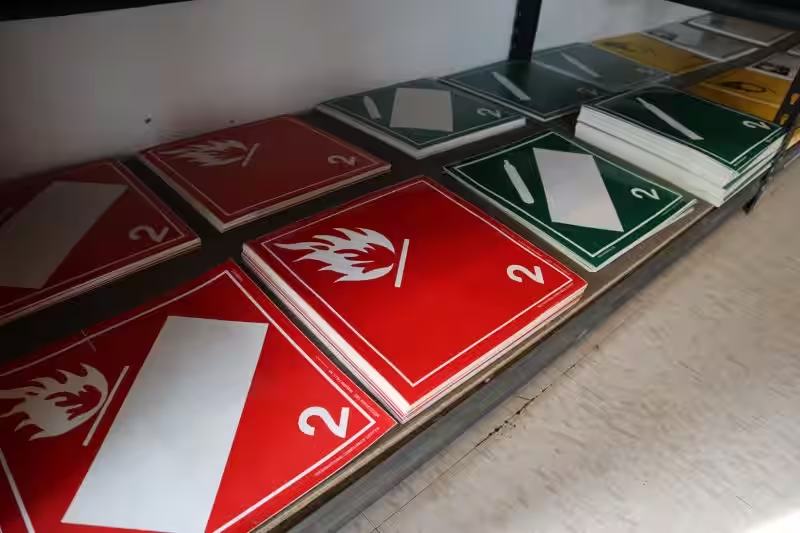
The placard itself is a diamond-shaped sign with the number 1203 prominently displayed. This instantly alerts emergency responders and other personnel to the potential hazards involved. The presence of this placard necessitates careful attention to safety protocols during transport, storage, and handling.
Regulations and Compliance for UN1203
The use of the 1203 placard is governed by strict national and international regulations. These regulations dictate various aspects, from packaging and labeling requirements to the specific transportation routes and safety measures to be implemented. Non-compliance can lead to significant penalties and, more importantly, potential accidents and environmental damage.
Understanding these regulations is paramount for anyone involved in the transportation or handling of UN1203 materials. This includes shippers, carriers, drivers, and emergency responders. These regulations ensure consistent and safe practices across different jurisdictions, minimizing risks associated with flammable liquids.
Key Regulatory Bodies and Resources
Several key organizations play a significant role in establishing and enforcing regulations for UN1203 materials. These include:
The Department of Transportation (DOT) in the United States: Sets standards for domestic transportation of hazardous materials.
The International Maritime Organization (IMO): Establishes regulations for the sea transport of dangerous goods.
The International Air Transport Association (IATA): Defines regulations for air transport of dangerous goods.
Accessing resources from these organizations is crucial to staying updated on the latest regulations and ensuring compliance. Their websites often provide detailed information, guidelines, and training materials.
Emergency Response and Safety Precautions
The presence of a 1203 placard signals a potential fire hazard. Therefore, emergency response procedures must be well-defined and readily accessible. Emergency responders need to be trained to handle flammable liquid incidents involving UN1203 materials safely and effectively.
Key Safety Precautions
Dealing with UN1203 necessitates several key safety precautions:
Proper Ventilation: Adequate ventilation is crucial to prevent the accumulation of flammable vapors.
Fire Suppression: Having appropriate fire suppression equipment readily available is essential.
Personal Protective Equipment (PPE): Use of appropriate PPE, including flame-resistant clothing, gloves, and eye protection, is mandatory.
Emergency Response Plans: Detailed emergency response plans should be in place, outlining procedures for handling spills, leaks, and fires.
Beyond the Placard: Understanding the Broader Context
While the 1203 placard provides crucial information at a glance, understanding its broader context is equally important. This involves knowing the specific properties of the gasoline or gasoline-alcohol blend being transported, the potential hazards it presents, and the appropriate safety measures to mitigate those risks.
For instance, understanding the specific flash point and autoignition temperature of the material is critical for fire prevention. Similarly, awareness of potential health hazards associated with inhalation or skin contact is crucial for personal safety and appropriate PPE selection. The information provided on the Safety Data Sheet (SDS) accompanying the shipment is invaluable in this context.
The Role of the Safety Data Sheet (SDS)
The Safety Data Sheet (SDS) provides comprehensive information about the hazardous material, including its physical and chemical properties, potential health hazards, and recommended handling procedures. It's an essential resource for those involved in transporting, handling, or storing UN1203 materials. The SDS should always be readily available and consulted before any activity involving the material. Failure to consult the SDS can lead to accidents and health hazards.
Conclusion: The Importance of Safety and Compliance
The 1203 placard serves as a critical visual warning, alerting everyone to the presence of flammable liquids. Understanding the meaning of this placard is only the first step. Effective safety and compliance require a comprehensive understanding of the regulations, the potential hazards, and the necessary safety precautions. By adhering to the appropriate regulations and safety procedures, we can significantly reduce the risks associated with the transportation and handling of UN1203 materials ensuring a safer environment for everyone. Remember, the 1203 placard is not just a label; it's a signal demanding vigilance and responsible action.
Frequently Asked Questions about UN/NA 1203
The UN/NA number 1203 identifies a hazardous material, typically gasoline (with up to 10% ethyl alcohol), classified as a flammable liquid (Hazard Class 3). The following FAQs address common questions about this material based on available safety data sheets and regulatory information.
What is UN/NA 1203?
UN/NA 1203 refers to a specific hazardous material classification, primarily encompassing gasoline with a potential alcohol content up to 10%. This classification is used internationally for shipping and handling purposes to ensure consistent safety protocols.
What hazard class does UN/NA 1203 belong to?
UN/NA 1203 falls under Hazard Class 3, which designates flammable liquids. This classification indicates the material's potential to ignite easily and present a fire hazard.
What are the primary dangers associated with UN/NA 1203?
The main danger associated with UN/NA 1203 is its flammability. Spills or leaks can create a significant fire risk. Inhalation of vapors should also be avoided, though the extent of inhalation risk isn't always consistently defined across all sources.
Where can I find more detailed safety information about UN/NA 1203?
Comprehensive safety data sheets (SDS) are available from various sources, including CAMEO Chemicals. These SDS provide detailed information on handling, storage, emergency response, and other safety precautions. The Emergency Response Guidebook (ERG) offers initial response advice for transportation incidents but not for facility spills.
Is the Emergency Response Guidebook (ERG) fully applicable to UN/NA 1203 incidents?
The ERG provides general guidance, but it's crucial to understand its limitations. It does not provide specific isolation and protective action distances for UN/NA 1203, and it doesn't predict significant toxic gas production upon water contact. It is primarily intended for transportation incidents, not facility spills.
What about transportation regulations for UN/NA 1203?
Regulations for the transport of UN/NA 1203 are defined within the Hazardous Materials Table (49 CFR 172.101 in the US). This table specifies proper shipping names, required labels, and other crucial information necessary for safe transportation compliance.
Are there specific labeling requirements for UN/NA 1203?
Yes, UN/NA 1203 requires specific hazard labels in accordance with regulations such as 49 CFR 172.101, indicating its classification as a flammable liquid. The exact labeling may vary depending on the jurisdiction and specific transport mode.
What should I do in case of a UN/NA 1203 spill or leak?
In case of a spill or leak, immediate evacuation of the area should be prioritized. Contact emergency services immediately and refer to the relevant SDS for detailed emergency response procedures. Remember the ERG is a limited resource for this type of incident.
Where can I find the proper shipping name for UN/NA 1203?
The proper shipping name is typically "UN Gasoline" (including gasoline with up to 10% ethyl alcohol). Always refer to the most up-to-date regulatory documents for accurate information.
Does UN/NA 1203 pose an inhalation hazard?
The inhalation hazard posed by UN/NA 1203 vapors varies depending on concentration and exposure duration. Consult the SDS for specific information regarding potential inhalation risks. The information may not be consistent across all sources.
This FAQ provides a general overview. Always consult official safety data sheets and relevant regulations for the most accurate and up-to-date information before handling or transporting UN/NA 1203.