Understanding Your Hazard Placard 1203: A Guide to Safe Handling
Understanding Your Hazard Placard 1203: A Guide to Safe Handling
Have you ever encountered a hazard placard labeled 1203 and wondered what it means? This number represents a specific class of hazardous materials, and understanding its implications is crucial for safety and compliance. This article will delve into what a hazard placard 1203 signifies, its potential dangers, and how to handle such materials safely.
Hazard placard 1203 signifies flammable liquids, specifically gasoline and similar mixtures. This isn't just any flammable liquid; it denotes substances that pose a significant fire risk due to their low flash point and combustibility. It's important to note that the specific composition can vary, but the common thread is the inherent flammability posing a considerable safety concern.
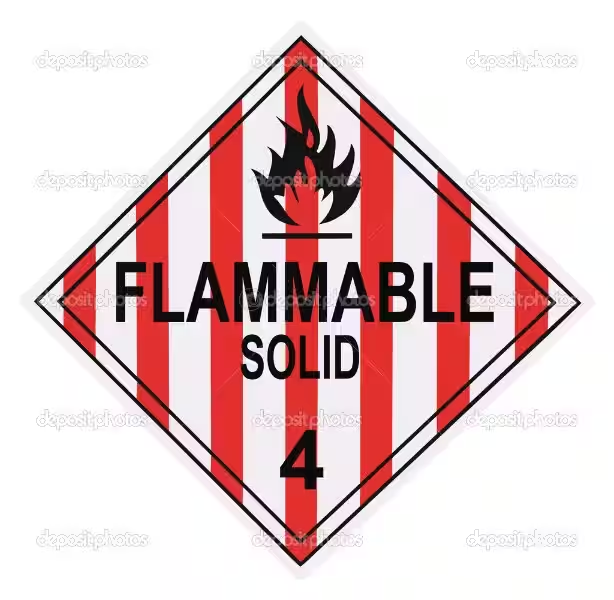
The placard serves as a clear visual warning, alerting individuals to the potential danger and the need for appropriate safety precautions. Seeing this placard necessitates immediate recognition of the fire hazard and adherence to established safety protocols. Understanding the implications of hazard placard 1203 is not merely about theoretical knowledge; it's a cornerstone of practical safety measures.
The Dangers of Flammable Liquids (UN 1203)
The inherent danger associated with hazard placard 1203 lies in the substance's rapid ignition and potential for intense, fast-spreading fires. The volatility of gasoline, a common substance under this classification, means it can easily vaporize and ignite, potentially leading to explosions. The consequences range from minor property damage to severe injury or even fatalities.
Furthermore, the vapors produced by these liquids are heavier than air, meaning they can spread along the ground and accumulate in low-lying areas, increasing the risk of sudden and widespread ignition. This characteristic underscores the importance of proper ventilation and the avoidance of ignition sources near these materials. The severity of the potential consequences necessitates stringent safety measures during handling, storage, and transportation.
Fire and explosion: This is the primary hazard, stemming from the low flash point and rapid vaporization.
Inhalation hazards: Gasoline vapors can cause respiratory irritation, dizziness, and even unconsciousness.
Skin and eye irritation: Direct contact can cause irritation, dryness, and potentially more serious damage.
Environmental damage: Spills can contaminate soil and water, causing harm to ecosystems.
Safe Handling Procedures for Materials with Hazard Placard 1203
Proper handling of materials identified by hazard placard 1203 requires strict adherence to safety regulations and best practices. This involves a multi-faceted approach encompassing storage, transportation, and emergency response protocols.
Storage and Transportation
Designated storage areas: Flammable liquids should be stored in designated areas away from ignition sources, well-ventilated, and ideally outside, or in a dedicated fire-resistant storage cabinet.
Proper containers: Always use approved containers designed for flammable liquids, ensuring they are sealed tightly and properly labeled.
Transportation regulations: Adhere strictly to all relevant transportation regulations, including proper labeling, placarding (including the hazard placard 1203 where applicable), and securing of the load.
Spill containment: Designate and maintain spill containment areas to minimize environmental damage in case of an accident.
Emergency Response
Fire suppression: Have appropriate fire suppression equipment readily available, such as fire extinguishers rated for Class B fires (flammable liquids).
Personal protective equipment (PPE): Always use appropriate PPE, including gloves, eye protection, and respiratory protection when handling these materials.
Emergency procedures: Establish clear and well-rehearsed emergency procedures for spills and fires, including evacuation plans.
Reporting: Report all incidents promptly to the appropriate authorities.
The Importance of Proper Training
Effective handling of materials denoted by hazard placard 1203 requires thorough training. Workers should receive comprehensive instruction on the hazards associated with these substances, safe handling procedures, emergency response protocols, and the use of appropriate personal protective equipment (PPE). Regular refresher courses are essential to maintain proficiency and awareness of best practices. This training is not just a formality; it is a fundamental element in preventing accidents and ensuring worker safety.
This section is a crucial reminder about website functionality. Many websites, including those dealing with safety information like hazard placard 1203 details, rely on JavaScript for optimal performance. If your JavaScript is disabled, you may experience reduced functionality or inability to access critical information. Ensure you have JavaScript enabled in your browser settings to get the full benefit of safety resources online. This seemingly simple step can prevent significant frustration and missed crucial safety information.
In conclusion, understanding the implications of hazard placard 1203 is paramount for safety. By adhering to proper handling procedures, receiving adequate training, and ensuring your browser's JavaScript is enabled, you can significantly reduce the risks associated with flammable liquids and contribute to a safer work environment. Remember that safety isn't just a guideline; it's a responsibility.
Hazard Placard 1203 FAQ
This FAQ section addresses common questions about hazard placard 1203, focusing on information derived from the Emergency Response Guidebook (ERG) and the Hazardous Materials Table (49 CFR 172.101). Remember that this information is for initial emergency response to transportation incidents and not for facility spills. Always consult the full SDS for comprehensive safety information.
What does UN/NA number 1203 represent?
UN/NA 1203 typically represents Gasoline (including mixtures with up to 10% ethyl alcohol). This is a flammable liquid, classified under Hazard Class 3.
What are the primary hazards associated with UN/NA 1203?
The primary hazard is flammability. Gasoline is highly flammable and can easily ignite, posing a significant fire and explosion risk. While the ERG doesn't indicate significant toxic gas production upon water contact, appropriate precautions should still be taken.
What are the initial isolation and protective action distances recommended by the ERG for UN/NA 1203?
The ERG does not provide specific initial isolation or protective action distances for UN/NA 1203. This underscores the need for professional judgment and on-site risk assessment in emergency situations.
Does UN/NA 1203 produce significant toxic-by-inhalation gases upon water contact according to the ERG?
No, the ERG does not predict significant production of toxic-by-inhalation gases from UN/NA 1203 upon water contact. However, this doesn't negate the need for appropriate personal protective equipment and ventilation.
What information is provided by the 49 CFR 172.101 Hazmat Table regarding UN/NA 1203?
The 49 CFR 172.101 Hazmat Table provides crucial information for the safe transportation of UN/NA 1203, including the proper shipping name, hazard class and division, label codes, and special notes for domestic and international shipping. It specifies the material's classification as a flammable liquid (Class 3) and may indicate whether technical names are required and if it presents an inhalation hazard.
Where can I find a complete Safety Data Sheet (SDS) for UN/NA 1203?
A complete SDS containing detailed hazard information, handling precautions, and emergency response procedures should be obtained from the manufacturer or supplier of the specific gasoline product. CAMEO Chemicals is one resource that may provide such data sheets.
What should I do if I encounter a UN/NA 1203 transportation incident?
In the event of a transportation incident involving UN/NA 1203, prioritize your safety and the safety of others. Evacuate the area, if necessary, and contact emergency services immediately. Follow the instructions of first responders. Do not attempt to handle the material yourself unless properly trained and equipped.
This FAQ provides a general overview. Always refer to the most up-to-date safety data sheets and regulatory information for complete and accurate details regarding UN/NA 1203 and its handling. Remember that the information here is for emergency response to transportation incidents and doesn't cover all aspects of handling or storage.