Roof trusses installation is a critical phase of any construction project, significantly impacting the structural integrity and longevity of the building. While seemingly straightforward, a successful roof truss installation requires careful planning, precision, and adherence to best practices. This guide will walk you through the key steps, highlighting important considerations to ensure a safe and efficient process.
Before even thinking about lifting a single truss, it's crucial to understand the specific design you're working with. Different roof types demand different truss configurations. A simple gable roof will utilize a straightforward truss design, while a more complex hip roof or one with dormers will require significantly more intricate trusses. These variations necessitate specialized installation techniques.
The manufacturer's plans are your bible during this process. They will provide detailed diagrams, specifications, and crucial numbering systems for each truss member. Carefully studying these plans before beginning any installation work is time well spent and will prevent costly errors later on. Ignoring this step could lead to mismatched pieces and structural instability.
Identifying Your Truss Type
Common truss types include:
Gable Trusses: The most common, simple and suitable for gable roofs.
Hip Trusses: Used for hip roofs, creating a more complex structure.
Scissor Trusses: Visually striking, often used for high ceilings and vaulted spaces.
Gambrel Trusses: Features two slopes on each side, creating a unique aesthetic.
Pre-Installation: Planning and Preparation
Proper preparation is key to a smooth and successful roof trusses installation. This phase involves several critical steps that must be meticulously followed. Skipping even one can lead to significant problems down the line.
Thorough pre-installation planning includes verifying that all trusses are present and accounted for, checking for any damage during transportation, and ensuring all necessary tools and equipment are ready.
Fitting the Trusses Before Lifting
Before attempting to lift and position any trusses, take the time to perform a dry run. Carefully review the truss numbering system provided by the manufacturer, matching each truss to its designated position on the wall plates. This pre-assembly ensures a perfect fit, reducing the likelihood of on-site adjustments, which can compromise the structural integrity of the roof.
This is also a good opportunity to identify any potential issues with the trusses or the wall plates, allowing for corrections before the actual installation begins. It’s far easier to resolve problems on the ground than at heights.
Secure Ridge Beam Attachment and Truss Alignment
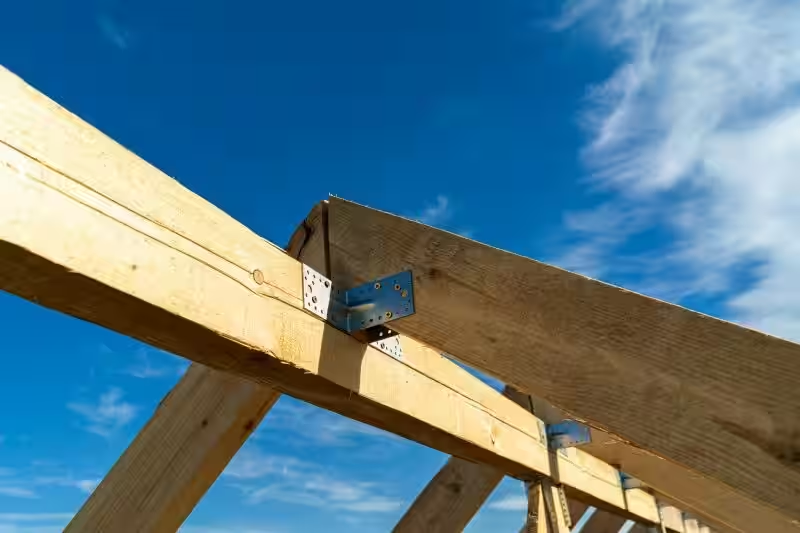
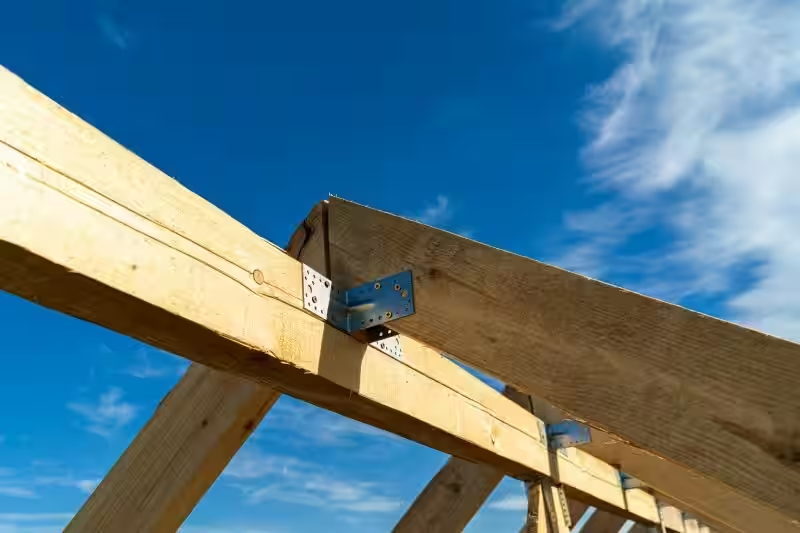
The ridge beam acts as the backbone of your roof system. Connecting the apex of each truss, it distributes the load across the entire structure and serves as a support point for the opposing trusses. Therefore, proper ridge beam attachment is non-negotiable.
The method of attachment will vary depending on the design, but ensuring a strong and secure connection is vital. Use the manufacturer's recommended fasteners and techniques. In some cases, additional support might be required, especially for longer spans or heavier loads.
Maintaining Truss Alignment Throughout Installation
As each truss is lifted into place, meticulous care must be taken to maintain proper alignment. Each truss is designed with a specific orientation, and any deviation from this orientation can significantly affect the overall load-bearing capacity. Using a level to ensure that each truss is perfectly aligned with its neighbors and the wall plates is essential. This step can be more challenging as the roof gets higher, but the importance of consistent alignment cannot be overstated.
Improper alignment can lead to structural weaknesses and potential failure, increasing the chance of future problems.
Nailing and Fastening: Following Manufacturer Instructions
It's tempting to deviate from the manufacturer's specified nailing patterns, but this is a crucial step to avoid. The manufacturer's instructions are based on extensive engineering calculations and testing, ensuring that the roof system can withstand anticipated loads. Using the wrong nails, the wrong number of nails, or placing nails in the incorrect location can dramatically weaken the structure, potentially leading to catastrophic failure. Always adhere to the specifications provided.
The nailing pattern is essential for ensuring the proper load distribution throughout the truss system. It's not just about holding the truss together – it’s about ensuring the long-term stability and durability of the entire roof structure.
Proper Truss Storage Before and During Installation
Even before installation begins, proper storage plays a vital role. Trusses should be stored in a dry, level area, elevated off the ground to prevent moisture absorption and warping. It is equally important to keep them upright to prevent bowing and damage to the members. The weight of the trusses should never rest on the tails, which are crucial load-bearing components.
During the installation process, take precautions to avoid damaging the trusses while moving and placing them. Proper handling minimizes the risk of costly repairs or replacements.
Seeking Professional Assistance for Roof Trusses Installation
While DIY roof trusses installation is possible for some simpler designs, the complexity and potential risks associated with more advanced designs and heavy loads highlight the significant value of professional assistance. Even experienced DIYers might find that engaging professionals offers peace of mind and helps avoid costly mistakes.
Professionals possess the necessary expertise, equipment, and experience to ensure a safe, efficient, and structurally sound installation. The long-term benefits often outweigh the added cost. Remember, a poorly installed roof can lead to substantial repair costs and even endanger the occupants of the building. Prioritizing safety and structural integrity is paramount.
What are the most important things to know before starting roof truss installation?
Understanding the specific truss design is paramount. Different types (hip, scissor, etc.) require different techniques. Pre-installation fitting, checking the manufacturer's diagrams and numbers, and matching trusses to wall plate numbers is crucial to avoid on-site adjustments. Complex designs often require professional help.
How crucial is pre-installation fitting of the trusses?
Crucial. It prevents on-site adjustments which can compromise the structural integrity of the roof. Carefully check the manufacturer's diagrams and numbering system to ensure a proper fit before lifting the trusses.
How do I ensure the ridge beam is properly attached?
The ridge beam is vital; it transfers loads to supporting walls and supports opposing trusses. Secure attachment is essential. Additional support might be needed depending on the roof design.
How important are the manufacturer's nailing instructions?
Absolutely vital. Following them precisely is non-negotiable. Deviating from these instructions can damage the trusses, compromise structural integrity, and void warranties. Only nail in designated spots.
How do I maintain proper truss alignment during installation?
Each truss has a specific orientation. Maintaining this alignment throughout the installation process is crucial for load-bearing capacity and overall structural integrity. Misalignment can lead to serious structural issues.
What is the correct way to store roof trusses before installation?
Store trusses off the ground to prevent moisture absorption and bowing. Keep them upright to maintain structural integrity; the weight should never rest on the tails. Proper storage prevents damage and ensures they are ready for installation.
Is it safe to install roof trusses myself?
While DIY installation is possible for simpler designs, the complexity of various truss types and the potential for serious structural consequences make professional assistance highly recommended. Even experienced DIYers should consider consulting professionals to ensure safety and effectiveness. Incorrect installation can be extremely dangerous.
What happens if I don't follow the instructions correctly?
Failure to follow instructions can result in truss damage, compromised structural integrity, voided warranties, and potential safety hazards. In short, it is critical to follow all instructions carefully.
What are the consequences of improper truss installation?
Improper installation can lead to significant structural damage, potential building collapse, and safety risks. It's crucial to prioritize correct installation to ensure the long-term stability and safety of the structure. This could result in costly repairs or even rebuilding.
When should I consult a professional for roof truss installation?
Consult a professional for complex truss designs, if you lack experience, or if you're unsure about any aspect of the installation process. Professional help ensures a safe and efficient installation, minimizing the risk of errors and costly mistakes.