How to Install Roof Trusses: A Comprehensive Guide
How to Install Roof Trusses: A Comprehensive Guide
Installing roof trusses is a crucial step in any construction project. Getting it wrong can lead to serious structural problems, safety hazards, and costly repairs. This guide will walk you through the process, highlighting key steps and potential pitfalls to ensure a successful and safe installation.
Planning and Preparation: The Foundation of Success
Before you even think about lifting a single truss, thorough planning is paramount. This phase is often overlooked, but it's where you lay the groundwork for a smooth and efficient installation. Rushing this stage can lead to costly mistakes later on.
Accurate measurements are absolutely critical. Double-checking, and even triple-checking, your measurements is essential to ensure the trusses fit perfectly and the entire roof structure is sound. Use a laser measure for precision and record all measurements meticulously. Any discrepancies here will cascade through the entire project.
Next, carefully plan the placement of each truss. This involves marking the wall plates precisely to indicate where each truss will sit. Clear the building site of any debris or obstacles that could interfere with the installation process. This not only ensures safer working conditions, but it also provides a clear workspace for accurate placement and bracing.
The Installation Process: Lifting, Positioning and Securing
Now comes the actual install roof trusses process. This requires careful handling and the right equipment. The size and weight of the trusses will dictate the equipment you need. Smaller trusses might be manageable with ladders and strongbacks, while larger projects will require the use of boom lifts, telehandlers, or even cranes. Safety should always be the top priority.
Initial placement requires careful handling. Each truss needs to be temporarily braced both vertically and horizontally to prevent shifting or tipping before you move on to the next one. Ensure that the trusses are aligned correctly before securing them permanently. Using temporary bracing is critical – it prevents accidents and ensures proper alignment before permanent connections are made.
Once all the trusses are in place, the next step is permanent bracing. This typically involves installing diagonal braces at a 45-degree angle to the rafters, securely nailed to the wall plate. Longitudinal bracing is also necessary for added stability.
Regular alignment checks are crucial throughout the entire process. Make sure the trusses are plumb (perfectly vertical) and free from any bowing or twisting. Use a level frequently, and make corrections as needed. Ignoring alignment issues can lead to structural instability and potentially catastrophic failure. Remember, the goal is a perfectly aligned and stable roof structure.
Common Mistakes to Avoid: Preventing Costly Errors
Several common errors can jeopardize the structural integrity of your roof. These mistakes, often stemming from haste or inexperience, can be easily avoided with careful planning and attention to detail.
Modifying foundation plans mid-installation: Changing plans during the process is a recipe for disaster. It introduces unforeseen complications and compromises the overall design.
Inaccurate measurements: As mentioned earlier, double-checking, and even triple-checking measurements is vital. Inaccurate measurements will propagate errors throughout the structure.
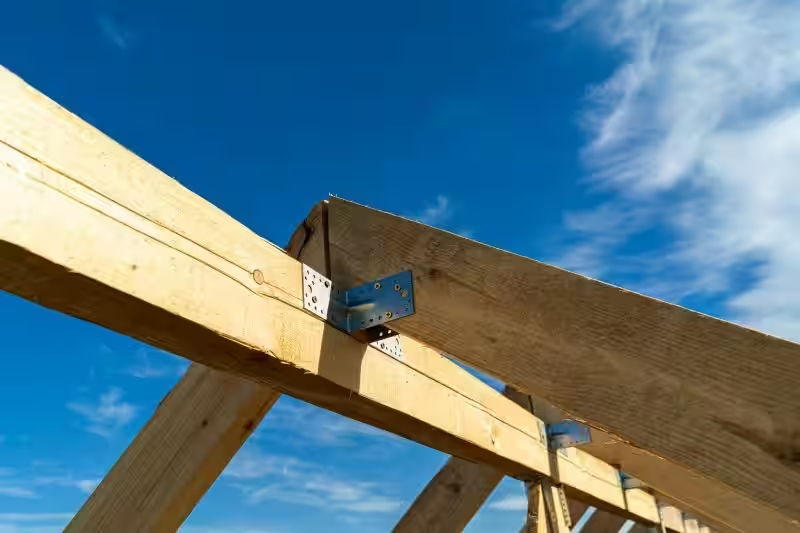
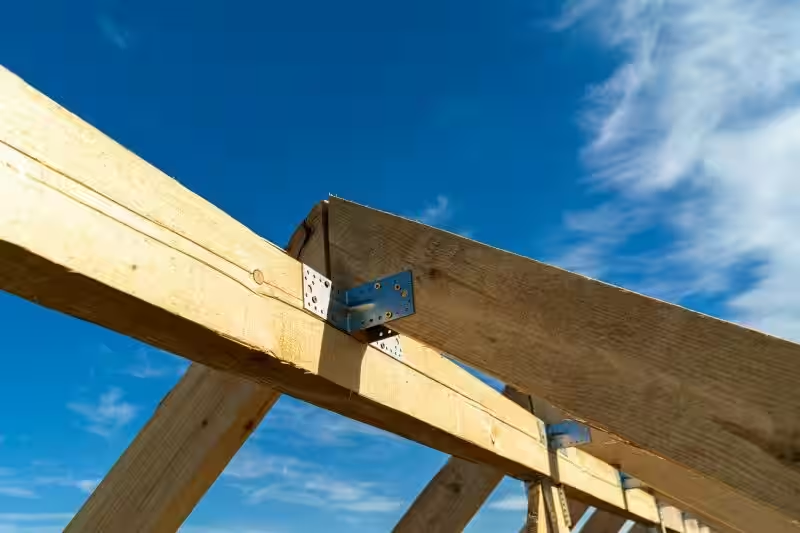
Incorrect bracing or connector plates: Using unsuitable bracing or connector plates can lead to truss shifting, bowing, or complete failure. Always use high-quality materials and follow manufacturer guidelines.
Neglecting safety protocols: Consistent use of personal protective equipment (PPE) and adherence to OSHA guidelines are non-negotiable. Safety should always be prioritized.
Ensuring Success: Materials, Expertise, and Safety
The key to successful roof truss installation lies in a combination of factors:
High-quality materials: Invest in durable, reliable materials, including premium truss plates. These plates ensure long-lasting structural support and contribute to the overall strength of the roof.
Meticulous double-checking: Every measurement, every connection, and every brace needs to be carefully verified. This reduces the risk of errors.
Proper material storage: Store materials according to manufacturer guidelines to prevent damage or deterioration.
Professional help when needed: If you're unsure about any aspect of the installation process, seek professional help from a qualified framing subcontractor. Their expertise can save you time, money, and potential problems down the line.
By following these guidelines, you can dramatically increase the chances of a successful roof truss installation. Remember, a strong and stable roof is essential for the safety and longevity of your building. Never compromise on safety or quality. If you're not confident in your abilities, hire a professional. The cost of correcting mistakes later far outweighs the cost of hiring an expert upfront.
Roof Truss Installation FAQ
Here are some frequently asked questions about installing roof trusses:
What is the importance of proper roof truss installation?
Proper roof truss installation is critical for a building's structural integrity and safety. Errors can significantly impact the load-bearing capacity and overall stability of the structure, potentially leading to collapse. Accurate placement, secure bracing, and adherence to safety regulations are paramount.
What are the essential steps in roof truss installation?
Installation begins with thorough site preparation, including verifying measurements and marking truss positions. Appropriate lifting equipment is used to safely position trusses, which are then braced vertically and horizontally. Permanent bracing (diagonal and longitudinal) is installed, followed by alignment checks to ensure verticality and prevent bowing. Temporary bracing is removed only after secure attachment.
What are some common mistakes to avoid during roof truss installation?
Common mistakes include modifying foundation plans mid-installation, inaccurate measurements, using incorrect bracing or connector plates, and neglecting safety protocols (PPE and OSHA guidelines). These errors can cause shifting, bowing, truss failure, or even collapse.
What kind of equipment is needed for roof truss installation?
The necessary equipment depends on the project scale. Smaller projects might only require ladders, while larger projects may need boom lifts, telehandlers, or cranes for safe and efficient truss placement.
What type of bracing is required for roof trusses?
Both temporary and permanent bracing are crucial. Temporary bracing holds the trusses in place during initial installation, while permanent bracing (typically diagonal braces at 45-degree angles and longitudinal bracing) ensures long-term stability and load support.
How important are accurate measurements in roof truss installation?
Accurate measurements are paramount. Inaccurate measurements compromise the entire structure's stability. Double-checking and team confirmation are essential to avoid costly and potentially dangerous mistakes.
What role do high-quality materials play in roof truss installation?
Using high-quality materials, including premium truss plates, is vital for long-lasting structural support and the overall safety of the building. Materials should be stored properly according to manufacturer guidelines.
What safety precautions should be taken during roof truss installation?
Safety is paramount. Always use appropriate personal protective equipment (PPE) and strictly adhere to OSHA guidelines. This includes using the proper lifting equipment and employing safe work practices.
What should I do if I encounter problems during roof truss installation?
If you encounter any problems or uncertainties during the installation process, it's best to seek professional help from a qualified framing subcontractor. Their expertise will ensure the job is completed safely and correctly.
What is the role of connector plates in roof truss installation?
Connector plates are crucial for joining the different components of the truss together. Using incorrect or faulty connector plates can lead to structural weakness and potentially catastrophic failure, emphasizing the need to use only approved and correctly sized plates.