Understanding Roof Truss Installation: A Comprehensive Guide
Understanding Roof Truss Installation: A Comprehensive Guide
Roof truss installation is a crucial step in building construction, demanding precision and expertise. Getting it right ensures a structurally sound and long-lasting roof. This guide breaks down the process, covering essential aspects from planning to completion, helping you understand what's involved, whether you're a homeowner overseeing a project or a professional seeking to refine your skills.
Planning and Preparation for Roof Truss Installation
Before any physical work begins, meticulous planning is paramount. Accurate measurements are the foundation of a successful roof. Failing to get these right can lead to significant problems down the line, requiring costly rework or even compromising the structure's integrity. This meticulous approach applies to every aspect from the initial design to the final securing of the trusses.
This initial planning phase includes not only the precise measurements of the building's footprint and the desired roof pitch but also considerations such as the type of roofing material, the local building codes, and the overall weight the roof needs to support. Detailed blueprints and structural calculations are necessary to ensure the stability and safety of the structure.
Essential Tools and Materials
The right tools and materials are critical for efficient and safe roof truss installation. Improper equipment can lead to delays, injuries, and even damage to the trusses themselves. A comprehensive checklist should be prepared well in advance to avoid interruptions during the installation process.
This checklist will typically include tools like a crane or forklift for lifting and positioning the trusses (depending on the size and weight), various types of saws, measuring tapes, levels, nail guns, and safety equipment such as harnesses and hard hats. Materials will naturally include the trusses themselves, appropriate fasteners, and any necessary bracing or temporary supports.
The Roof Truss Installation Process: A Step-by-Step Guide
The actual roof truss installation is a multi-stage process that requires a coordinated team effort. Safety should be the top priority throughout the entire process. Improper handling of heavy trusses can result in serious accidents.
The installation typically begins with the preparation of the foundation, ensuring a level and stable base for the trusses. This might involve installing wall plates or other supporting structures. The trusses are then carefully lifted into place, usually with the assistance of lifting equipment, and secured to the wall plates according to the pre-determined plan.
Securing and Connecting the Trusses
This is where precision and accuracy become crucial. Each truss must be precisely aligned and secured to maintain the overall structural integrity of the roof. Using the appropriate fasteners and techniques is essential to avoid any weakening of the connections.
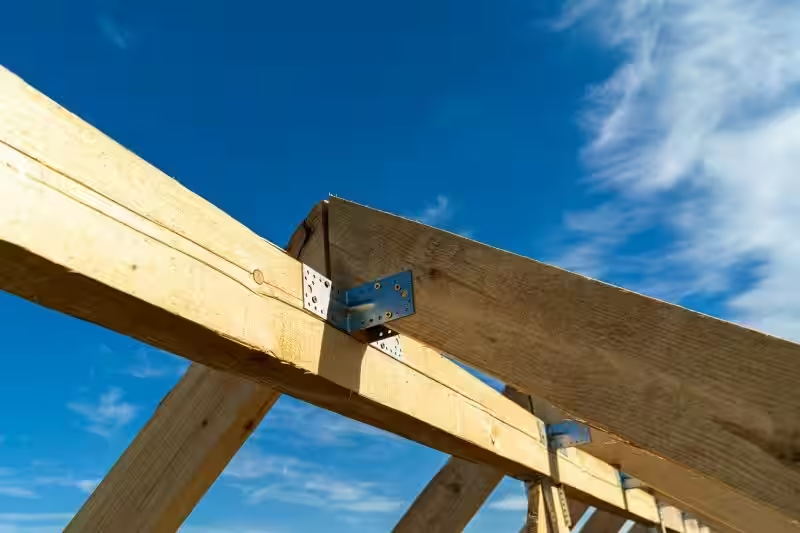
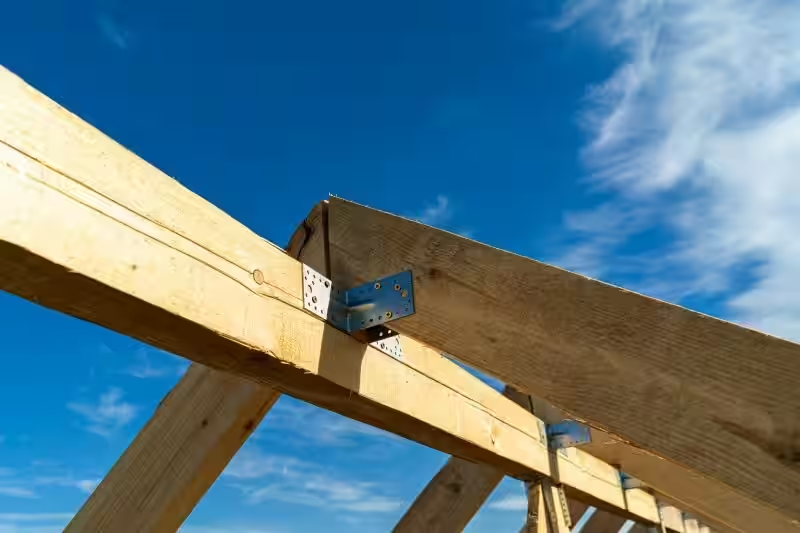
Connecting the trusses involves carefully positioning them according to the design plans and then securing them using appropriate fasteners, such as hurricane straps or specialized nails. Regular checks with levels and measuring tapes are crucial to ensure that everything is perfectly aligned and plumb.
Common Challenges and Troubleshooting During Roof Truss Installation
Despite careful planning, challenges can arise during the installation. Understanding potential issues and how to address them proactively can save time and prevent costly mistakes. Experienced professionals have encountered and solved numerous problems, and knowing these common issues helps in preemptive planning.
One common challenge is encountering unexpected variations in the building’s structure or foundation. This might require adjustments to the installation plan on the spot, necessitating quick thinking and problem-solving skills. Another common issue could be encountering damaged trusses during delivery or handling, requiring replacements and potentially delaying the project.
Safety Precautions During Roof Truss Installation
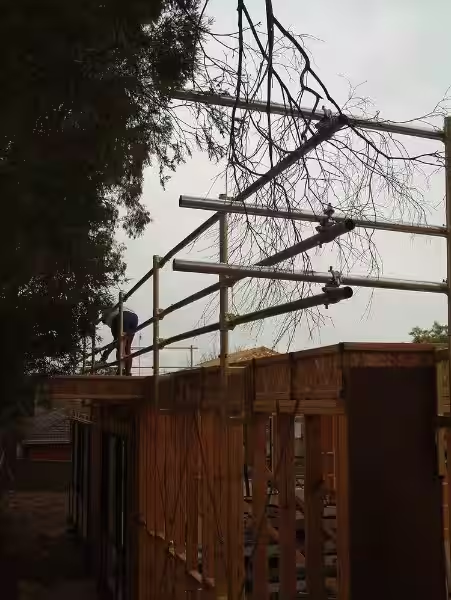
Safety should be the paramount concern throughout the entire process. Heavy trusses pose a significant risk of injury if not handled correctly. The use of appropriate safety equipment is non-negotiable.
This includes the use of hard hats, safety harnesses, and appropriate lifting equipment. Proper training for all personnel involved in the installation is critical, ensuring everyone understands the risks and the safety procedures. Clear communication and coordination are also essential to prevent accidents.
Post-Installation Checks and Considerations
Once the roof truss installation is complete, thorough inspections are essential. This ensures the structure meets the required standards and is ready for the next phase of construction. Regular checks will uncover any potential problems that might need attention.
This post-installation inspection includes verifying that all trusses are properly aligned, secured, and plumb. Any discrepancies should be addressed immediately. This is also the time to check for any damage to the trusses during the installation process itself.
The Importance of Professional Roof Truss Installation
While some DIY enthusiasts might attempt roof truss installation, it's generally recommended to hire qualified professionals. The complexity and safety risks involved strongly suggest employing experts to ensure the job is done correctly.
Professional installers have the experience, training, and equipment necessary to handle the task safely and efficiently. They're familiar with local building codes and can guarantee the structural soundness of the roof. Choosing a reputable contractor is a crucial investment in the long-term stability and safety of your building. Remember that improper roof truss installation can lead to significant structural issues and potentially costly repairs down the line. Investing in professional expertise ensures the job is completed correctly the first time.
Since I cannot access external websites or specific files, including YouTube videos, I cannot create an FAQ section based on a specific video. However, I can create a general FAQ section about roof truss installation based on common knowledge and best practices. Remember that this is for informational purposes only and should not be considered a substitute for professional advice. Always consult with qualified professionals for your specific project.
Roof Truss Installation FAQ
What are roof trusses?
Roof trusses are prefabricated assemblies of lumber or engineered wood products designed to support the roof's weight and transfer it to the building's walls. They offer a strong and efficient solution compared to traditional rafter systems.
What types of roof trusses are there?
There are many types of roof trusses, each designed for specific roof styles and loads. Common types include gable trusses, hip trusses, scissor trusses, and mono trusses. The choice depends on factors like roof pitch, span, and snow load.
What tools and equipment are needed for roof truss installation?
Installing roof trusses requires specialized tools and equipment, including a crane or forklift for lifting, a level, measuring tapes, saw, nail guns, and safety equipment like harnesses and hard hats. Specific tools may vary depending on the truss design and installation method.
How many people are needed for roof truss installation?
A minimum of two people is generally recommended for safe and efficient truss installation. More people may be needed for larger or more complex projects. Safety is paramount, and having enough people ensures proper handling and placement.
What are the key steps in roof truss installation?
The process generally involves: preparing the foundation (wall plates), accurately positioning the trusses, temporarily securing them, ensuring proper alignment and leveling, and finally fastening the trusses securely to the wall plates and each other. This often involves using specialized connectors and fasteners.
How important is accurate measurement and placement during truss installation?
Accurate measurement and placement are crucial for structural integrity. Incorrect placement can lead to structural weakness, instability, and potential failure. Using a level and precise measurements is essential throughout the process.
What are the common mistakes to avoid during roof truss installation?
Common mistakes include improper alignment, inadequate fastening, neglecting to check for squareness, and using incorrect connectors. Following manufacturer's instructions and using proper techniques is essential to avoid these mistakes.
What safety precautions should be taken during roof truss installation?
Safety is paramount. Always wear appropriate safety equipment, including harnesses, hard hats, and safety glasses. Follow all safety regulations, and ensure the work area is clear of obstructions. Use proper lifting techniques and never work at heights without proper training and equipment.
How do I determine the correct truss spacing?
Truss spacing is determined by factors like span, roof load, and truss design. Consult building codes and engineering specifications for appropriate spacing. The manufacturer's instructions will also provide guidance on this matter.
What happens if a truss is damaged during installation?
Damaged trusses should be immediately replaced. Attempting to repair a damaged truss can compromise the structure's integrity. Contact the truss supplier or a qualified structural engineer for guidance on replacement.