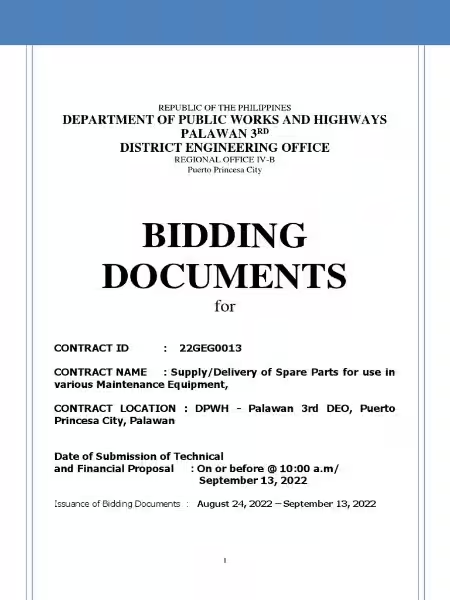
Understanding Your Project's Specification Booklet: A Guide to Clarity and Success
Understanding Your Project's Specification Booklet: A Guide to Clarity and Success
A specification booklet, also known as a "spec book" or simply "specs," is an indispensable document for any construction or renovation project. It acts as the blueprint for the project's physical manifestation, detailing every aspect from the type of nails used to the precise finish of the cabinetry. This article will explore the critical role of the specification booklet, highlighting its benefits and the potential pitfalls of its absence.
The Vital Role of a Detailed Specification Booklet
The specification booklet serves as the single source of truth for all project details. It's not merely a list of materials; it's a comprehensive guide that dictates the exact specifications for every element of the construction or renovation, including installation methods. Think of it as the recipe for building your project, ensuring everyone is following the same plan.
This level of detail is crucial for a multitude of reasons. It provides a clear picture of the project's scope and minimizes chances for misinterpretations or disagreements between contractors, designers, and clients. A well-written specification booklet prevents costly mistakes and ensures the project stays on track.
Key Benefits of a Comprehensive Specification Booklet
Creating and using a detailed specification booklet offers several significant advantages:
Accurate Budgeting and Cost Control
Precise specifications, down to the specific brand and model of appliances, allow for accurate cost estimations. This minimizes the risk of unexpected expenses and cost overruns. Knowing exactly what materials are needed prevents overspending on unnecessary items or being forced to compromise on quality due to unforeseen price increases. The booklet becomes a powerful tool for financial planning and control. This detailed approach offers a significant safeguard against budgeting surprises.
Achieving Design Cohesion
A specification booklet ensures design consistency. By outlining all materials and finishes, it fosters a unified design vision. This prevents the use of disparate elements that clash aesthetically, ensuring a cohesive and aesthetically pleasing final product. The detailed descriptions in the specification booklet allow for a harmonious blend of materials and finishes, creating a unified look and feel.
The specification booklet acts as a central organizational tool, providing a structured plan that facilitates efficient coordination among all stakeholders. This reduces project delays and improves communication. It includes crucial information such as lead times for materials ordering, preventing unforeseen delays and ensuring a smooth workflow. The document's organization simplifies the management process and contributes to the project's seamless execution.
Realistic Visualization
Detailed specifications enable the creation of realistic renderings of the finished project. These visual aids help clients visualize the final outcome, ensuring the design aligns with their expectations before construction even begins. This clarity reduces the likelihood of disputes or changes later in the project. The specification booklet enables a thorough understanding of the final product, contributing to client satisfaction.
Risks of Insufficient Specifications
Conversely, the absence or inadequacy of a detailed specification booklet poses significant risks to a project's success:
Unclear Budgeting: Vague descriptions lead to inaccurate cost estimations, resulting in potential budget overruns and the need for frequent, costly adjustments.
Frequent Change Orders: Ambiguity necessitates numerous change orders, leading to project delays and increased expenses. These changes can quickly derail the project timeline and budget.
Quality Issues: Unspecified requirements can result in substandard materials or workmanship, compromising the project's quality and longevity. The lack of specific standards lowers the overall quality of the finished project.
Project Delays: Absence of precise ordering information can lead to significant delays due to inaccurate lead time calculations. The lack of detailed information regarding material sourcing and ordering process creates major delays.
Essential Elements of a Robust Specification Booklet
A comprehensive specification booklet should include:
Project Overview: A clear summary of the project's scope, goals, and timeline.
Material Specifications: Detailed descriptions of all materials, including brand names, model numbers, and technical specifications.
Workmanship Standards: Clear guidelines for the quality of workmanship throughout the project.
Installation Methods: Specific instructions for installing materials and fixtures.
Drawings and Schematics: Visual aids to complement the written specifications.
References and Standards: Citations of relevant industry standards and codes.
Contact Information: Contact details for all key personnel involved in the project.
Conclusion: The Indispensable Specification Booklet
In conclusion, a well-prepared specification booklet is essential for the success of any construction or renovation project. It eliminates ambiguity, reduces risks, and ensures everyone involved is on the same page. Investing time and effort in creating a thorough and accurate specification booklet is an investment in the project's overall success. The alternative — proceeding without a clear and detailed specification booklet — dramatically increases your risk of encountering costly delays, disputes, and compromises in quality. The value of a comprehensive specification booklet far outweighs the initial effort required to create it.
Specification Booklet FAQ
Here are some frequently asked questions about project specification booklets:
What is a project specification booklet?
A project specification booklet, also known as a "spec book" or "specs," is a crucial document in construction and renovation projects. It provides a detailed and precise description of all materials, products, and workmanship required, eliminating ambiguity and ensuring consistent execution. This includes everything from paint type and flooring to specific appliance and fixture brands and models, along with detailed installation methods (e.g., herringbone tile layout).
Why are detailed specifications important?
Detailed specifications offer several key benefits:
Accurate Budgeting and Cost Control: Precise specifications enable accurate cost estimations, minimizing unexpected expenses and change orders.
Cohesive Design: Specifications ensure design unity by presenting a unified vision of how materials and finishes work together aesthetically and functionally.
Efficient Project Management: The spec book acts as a central organizational tool, facilitating efficient coordination among stakeholders and reducing disruptions. It also includes crucial lead times and ordering information for materials, preventing delays.
Realistic Visualization: Detailed specifications allow for realistic project renderings, helping clients visualize the final outcome and ensuring the design meets expectations.
What are the risks of *not* having detailed specifications?
What information should a specification booklet include?
A comprehensive specification booklet should include:
Materials Specifications: Detailed descriptions of all materials, including brands, models, and performance characteristics.
Product Specifications: Specifications for all products, including appliances, fixtures, and equipment.
Workmanship Specifications: Detailed descriptions of the required level of workmanship for each task.
Installation Methods: Specific instructions for the installation of all materials and products.
Drawings and Diagrams: Visual aids to clarify specifications and ensure accurate interpretation.
Lead Times and Ordering Information: Crucial information to prevent delays.
How does a specification booklet contribute to a successful project?
A comprehensive specification booklet is vital for successful construction and renovation projects because it ensures:
Accurate budgeting.
Cohesive design.
Efficient project management.
Realistic visualization.
Minimized risks.
Improved likelihood of a timely, high-quality, and budget-compliant outcome.
Who is responsible for creating the specification booklet?
Typically, the project architect, designer, or a dedicated specification writer creates the specification booklet in collaboration with the client and other stakeholders.
Can I use a template for my specification booklet?
While using a template can be helpful for structure and formatting, ensure the content is tailored to your specific project requirements to avoid ambiguity. Generic templates may not cover all the necessary details.
How often should the specification booklet be reviewed and updated?
The specification booklet should be reviewed and updated as needed throughout the project lifecycle, particularly if design changes or material availability issues arise. Regular reviews ensure accuracy and prevent costly mistakes.