Danger Placard: Understanding the Crucial Role of Warning Signs
Danger Placard: Understanding the Crucial Role of Warning Signs
Understanding the importance of proper labeling and warning systems is critical in various industries. A crucial component of this system is the danger placard, a visual communication tool designed to alert individuals to immediate hazards. These placards aren't just about compliance; they're about protecting lives and preventing accidents.
A danger placard is a sign, typically square or rectangular, that uses specific colors, symbols, and text to convey a hazard's severity and nature. These are not your average cautionary notices. They are designed for immediate comprehension, even at a distance or in stressful situations. Their purpose is to instantly communicate the presence of an extreme risk.
There are specific international standards governing the design and use of danger placards, ensuring consistency and clarity across various global locations and industries. Understanding these regulations is critical for businesses and individuals handling hazardous materials.
Understanding the Different Hazard Classes
Danger placards are categorized according to the type of hazard they represent. This categorization allows for clear and consistent communication about the specific risks associated with a given substance or situation. These classes are often internationally standardized, allowing for universal understanding.
Some examples of hazard classes include:
Explosives: These placards denote substances or objects that can detonate or undergo a rapid exothermic reaction.
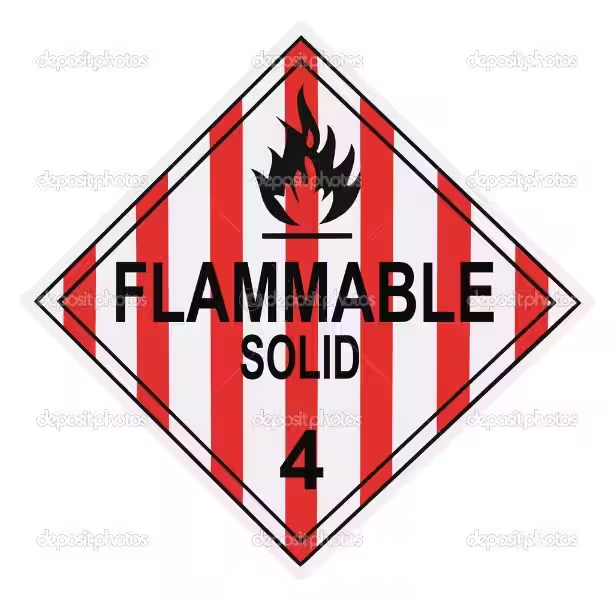
Flammable: These warnings indicate materials that are easily ignited and can burn quickly.
Toxic: This class signifies substances that are poisonous and can cause severe health problems through ingestion, inhalation, or skin contact.
Corrosive: Materials that can cause irreversible damage to living tissue or other materials are denoted with these placards.
Oxidizing: These placards alert individuals to materials that can cause or enhance combustion in other materials.
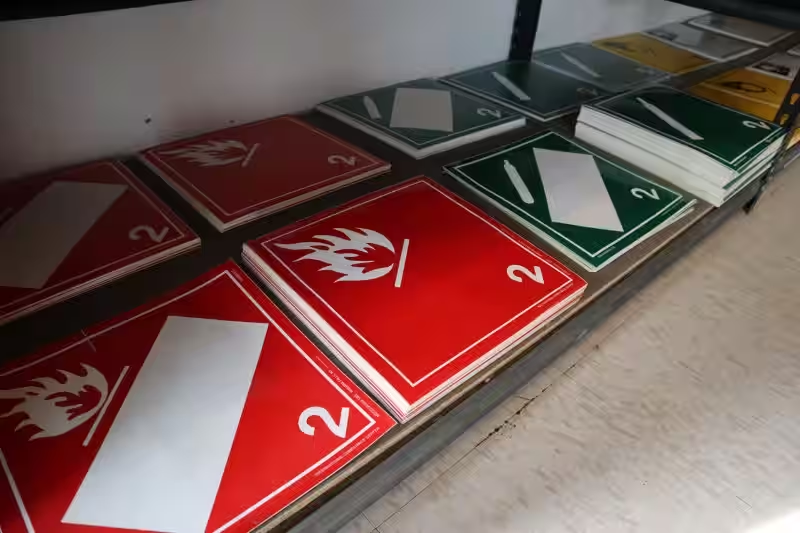
Each hazard class is represented by a specific symbol and color on the placard, further enhancing visual recognition and comprehension. The standardization of these symbols minimizes confusion and ensures rapid identification of the hazard.
The effectiveness of a danger placard hinges on its proper placement and visibility. Placards should be clearly visible from a safe distance and positioned to minimize obstruction. Factors like lighting conditions, background colors, and potential physical barriers must all be considered.
Poor placement renders even the most well-designed placard ineffective. A placard hidden behind equipment or obscured by shadows is useless. Similarly, a placard placed too high or too low might be missed by those who need to see it most. Therefore, strategic placement is crucial for ensuring its effectiveness in preventing accidents.
Legal and Regulatory Compliance
The use of danger placards is often mandated by law and industry regulations. Failure to comply with these regulations can lead to severe penalties, including fines and legal action. Moreover, non-compliance directly compromises workplace safety and increases the risk of accidents.
Different countries and regions may have slightly varying regulations regarding the specific design and usage of danger placards. Businesses must ensure they understand and adhere to the applicable regulations in their jurisdiction. Regular audits and training are crucial for maintaining compliance and ensuring worker safety.
Beyond the Placard: A Holistic Approach to Safety
While danger placards are a vital component of a comprehensive safety system, they are not a standalone solution. They should be part of a more holistic approach to hazard management, including:
Safety Training: Employees must receive thorough training on recognizing hazards, understanding the meaning of danger placards, and implementing appropriate safety procedures.
Emergency Response Plans: Clear emergency response plans should be in place to handle incidents involving hazardous materials.
Personal Protective Equipment (PPE): Providing and mandating the use of appropriate PPE, such as gloves, respirators, and protective clothing, is paramount.
Regular Inspections: Regular inspections of the workplace and hazardous materials storage areas are crucial to identify and address potential safety hazards.
A comprehensive safety program must combine the visual warnings provided by danger placards with robust training programs, appropriate equipment, and well-defined procedures.
Danger Placard Maintenance: A Continuous Process
Danger placards, like any safety equipment, require regular maintenance to ensure their effectiveness. Damaged or faded placards should be replaced promptly. Regular inspections should check for wear and tear, ensuring the information remains legible and understandable.
Neglecting placard maintenance can lead to accidents and injuries. A faded or damaged placard might be missed or misinterpreted, undermining its intended safety function. Therefore, a proactive approach to maintenance is essential for maintaining a safe working environment.
In conclusion, while a simple danger placard might seem like a small detail, it plays a vital role in preventing accidents and maintaining workplace safety. Understanding its function, proper use, and the broader context of hazard management can significantly contribute to a safer and more productive environment. It’s not merely a sign; it’s a life-saving tool.
Danger Placard FAQ
Here are some frequently asked questions about danger placards: While the initial prompt focused on JavaScript, the term "danger placard" suggests a shift to safety signage. This FAQ addresses common questions about these placards.
What is a danger placard?
A danger placard is a diamond-shaped label used to identify the hazards associated with a particular material during transportation. They're part of a standardized system designed to quickly and clearly communicate potential risks to emergency responders and handlers. The placards use standardized symbols and colors to indicate the type of hazard.
What types of hazards are indicated on danger placards?
Danger placards indicate a wide range of hazards, including:
Explosive: Materials that can detonate or rapidly decompose, causing a significant explosion.
Flammable: Materials that easily catch fire and burn rapidly.
Oxidizer: Materials that can cause or enhance combustion in other materials.
Toxic: Materials that are poisonous or cause health problems through inhalation, ingestion, or skin contact.
Corrosive: Materials that can cause damage to living tissue or metal.
Radioactive: Materials that emit ionizing radiation.
Poisonous Inhalation Hazard: Substances that cause serious health problems through inhalation.
Other regulated materials: This category covers hazards that don't neatly fit into the above classifications.
Danger placards are affixed to the exterior of transport vehicles (trucks, trains, ships) carrying hazardous materials. Their purpose is to provide immediate visual warning of the potential dangers, allowing emergency responders and others to take appropriate safety precautions. The placards are usually accompanied by shipping papers that provide more detailed information about the hazardous materials being transported.
What should I do if I see a vehicle with a danger placard?
Maintain a safe distance. Do not approach the vehicle unless you are trained in handling hazardous materials. If you suspect a leak or other emergency, contact emergency services immediately. Provide them with the location and any information visible on the placard.
Are there different classes of danger placards?
While not strictly "classes," the different hazard types mentioned above (explosive, flammable, etc.) represent distinct categories with specific symbols and often distinct response procedures. The placard itself immediately communicates the primary hazard.
Where can I find more information about danger placards?
Reliable information on danger placards and hazardous materials transportation can be found through government agencies responsible for transportation safety (such as the Department of Transportation in the US or equivalent agencies in other countries). These agencies typically offer detailed guidelines, training materials, and regulations concerning hazardous materials handling and transportation.
What are the penalties for misusing or ignoring danger placards?
Misusing or ignoring danger placards can lead to serious consequences, including significant fines, legal penalties, and potential harm to individuals and the environment. Strict regulations govern the handling and transportation of hazardous materials, and compliance is mandatory.