Understanding Your Sulfuric Acid Label: A Comprehensive Guide
Understanding Your Sulfuric Acid Label: A Comprehensive Guide
Sulfuric acid is a powerful chemical, and its handling requires utmost care. A critical component of safe sulfuric acid management is understanding and utilizing the information provided on its label. This guide will delve into the importance of the sulfuric acid label and what information it should convey to ensure safety.
The sulfuric acid label isn't just an identifier; it's a vital safety tool. It acts as the first line of defense, instantly communicating critical hazard information to anyone who comes into contact with the substance. A well-designed label prevents accidents and ensures compliance with regulations. Imagine a scenario where a worker, unfamiliar with the contents of a container, accidentally spills sulfuric acid due to a lack of clear labeling. The consequences could be severe, including chemical burns, environmental damage, and significant financial losses.
Proper labeling minimizes the risk of such incidents. It ensures that everyone involved in handling, storing, or transporting sulfuric acid is aware of the inherent dangers and takes the necessary precautions. This includes understanding the chemical's properties, appropriate personal protective equipment (PPE) needed, and emergency response procedures.
Key Criteria for Effective Sulfuric Acid Labels
Several factors contribute to an effective sulfuric acid label. Legibility is paramount. The information must be clearly printed using bold, durable materials that can withstand harsh industrial environments. The label needs to remain intact and readable even after exposure to moisture, chemicals, or physical damage. High-visibility colors and standardized symbols further enhance comprehension and immediate understanding of the hazard.
Beyond aesthetic considerations, compliance with regulations is crucial. Labels must adhere to standards like the Globally Harmonized System of Classification and Labelling of Chemicals (GHS). GHS-compliant labels use standardized pictograms, signal words (such as "Danger" or "Warning"), hazard statements, and precautionary statements to communicate risks.
GHS pictograms use symbols to visually represent specific hazards. For sulfuric acid, you might see pictograms denoting corrosion, health hazards, or environmental damage. Signal words, such as "Danger" and "Warning," indicate the severity of the hazard, with "Danger" signifying more serious risks. These visual cues act as immediate warnings, even for those who cannot read the detailed text.
Other Important Labeling Systems
Besides GHS, other systems, such as the National Fire Protection Association (NFPA) diamond system, are frequently used. This system uses a diamond-shaped label with color-coded sections indicating fire hazards, health hazards, reactivity, and specific hazards (like "ACID"). Each section has a numerical rating (0-4), representing the severity of the hazard. The NFPA diamond provides a quick visual assessment of the risks associated with the chemical. "Right-to-Know" labels, mandated by worker safety legislation, also provide crucial information about the substance's identity, hazards, and safe handling procedures.
The Importance of Durability and Material Selection for a Sulfuric Acid Label
The environment in which sulfuric acid is handled often presents extreme challenges for labels. Exposure to chemicals, moisture, and temperature fluctuations can quickly degrade low-quality labels, rendering the crucial safety information illegible. Therefore, choosing durable materials is crucial. Labels made from high-quality, chemical-resistant materials, such as vinyl or polyester, ensure that the information remains visible and readable throughout the product’s lifespan.
Some advanced labels, like InfiniStick™ labels, offer enhanced durability and adhesion, making them ideal for harsh industrial settings. Their long-lasting nature reduces the frequency of label replacements, saving time and money in the long run, while ensuring consistent safety communication. The superior adhesive ensures that the labels remain firmly attached to the container, even in extreme temperatures and conditions.
Conclusion: Prioritizing Safety with a Sulfuric Acid Label
Effective sulfuric acid handling and storage depend heavily on comprehensive safety measures. Proper training, PPE, and robust containment are vital. However, a clearly labeled container is the first, and often most crucial, step in preventing accidents. By ensuring that sulfuric acid labels are readily visible, durable, compliant with regulations (GHS, NFPA, and Right-to-Know), organizations significantly mitigate risks, protecting employees and the environment. Investing in high-quality, easily understandable labels is a cost-effective, indispensable part of a robust safety program. The sulfuric acid label is not merely a formality; it's a critical element of responsible chemical handling.
What information must a sulfuric acid label include?
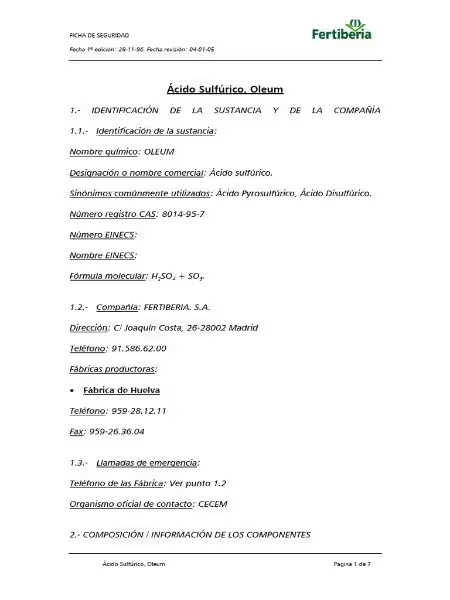
A sulfuric acid label must clearly and unambiguously communicate the hazards associated with the chemical. This requires adherence to nationally and internationally recognized standards, primarily the Globally Harmonized System of Classification and Labelling of Chemicals (GHS). GHS compliant labels utilize standardized pictograms (symbols depicting hazards), signal words ("Danger" or "Warning"), hazard statements (describing the nature of the hazards), and precautionary statements (advising on safe handling). Additionally, labels should include the chemical name (Sulfuric Acid), concentration, and the manufacturer's information. The inclusion of a National Fire Protection Association (NFPA) diamond, providing a quick visual assessment of fire, health, reactivity, and specific hazards (like "ACID"), is also highly recommended for enhanced safety. Finally, labels must meet Right-to-Know requirements, which mandate clear identification of the substance, its hazards, and safe handling procedures.
Why are durable labels important for sulfuric acid containers?
Durability is paramount for sulfuric acid labels because they must withstand the harsh conditions of many industrial environments. Labels need to remain legible and intact even after exposure to moisture, chemicals, extreme temperatures, and potential physical damage. Fading or detachment of the label renders it ineffective, potentially leading to accidents. The use of high-quality, durable materials ensures that the crucial safety information remains visible and accessible throughout the lifespan of the container. High-visibility colors and bold printing further improve readability and comprehension.
What are the consequences of inadequate sulfuric acid labeling?
Inadequate labeling of sulfuric acid containers significantly increases the risk of accidents and injuries. Without clear and compliant labeling, workers may be unaware of the hazards involved, leading to accidental exposure and potential serious consequences, including chemical burns, respiratory problems, and even death. Furthermore, inadequate labeling can result in non-compliance with relevant regulations, leading to potential legal liabilities and penalties. It also hinders effective emergency response, as vital information about the chemical is unavailable. In short, properly labeled containers are a primary, cost-effective method of preventing accidents and protecting both workers and the environment.
How do NFPA diamonds enhance sulfuric acid label safety?
The NFPA 704 diamond system provides a standardized, readily understood visual representation of the hazards associated with sulfuric acid. The color-coded sections (blue for health, red for flammability, yellow for instability, and white for special hazards) and numerical ratings (0-4) offer a quick assessment of the severity of each hazard. For sulfuric acid, the white section would almost certainly include "ACID," indicating its corrosive nature. This immediately alerts handlers to the specific risks involved, enabling them to take appropriate precautions. The NFPA diamond greatly enhances the effectiveness of the overall label, improving safety communication.
What regulations govern sulfuric acid labeling?
Sulfuric acid labeling must comply with various national and international regulations, most importantly the Globally Harmonized System of Classification and Labelling of Chemicals (GHS). GHS establishes a globally consistent approach to hazard communication, including standardized pictograms, signal words, hazard statements, and precautionary statements. Compliance with these requirements is essential to ensure that the label effectively communicates the risks associated with sulfuric acid in a universally understood manner. Additionally, adherence to Right-to-Know legislation and other relevant occupational safety standards is crucial for worker protection.