NFPA Sulfuric Acid: Understanding the Hazards and Safety Precautions
NFPA Sulfuric Acid: Understanding the Hazards and Safety Precautions
Sulfuric acid, a potent and corrosive chemical, presents significant hazards requiring stringent safety protocols. This article delves into the dangers of sulfuric acid, focusing on its NFPA 704 classification and the crucial safety measures needed for its handling and storage. Understanding these aspects is paramount for preventing accidents and ensuring worker safety.
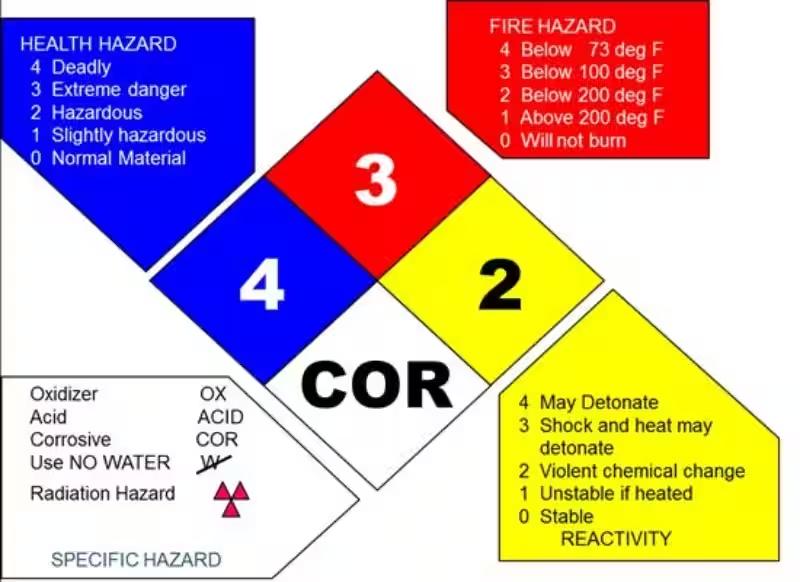
The NFPA 704 standard provides a universally recognized system for communicating the hazards of chemicals. For sulfuric acid at 93% concentration, the NFPA 704 diamond would display the following:
Health (Blue): A rating of 3 or 4, indicating severe health hazards. Even brief exposure can cause severe burns and potentially fatal consequences. This high rating reflects the acid's corrosive nature and its potential to cause irreversible damage to the respiratory system, eyes, and skin.
Flammability (Red): A rating of 0, as sulfuric acid itself is not flammable. However, its strong oxidizing nature can ignite combustible materials if they come into contact.
Instability (Yellow): A rating of 2 or 3 depending on the specific conditions and storage. This reflects its potential for violent reactions with various substances, particularly water, and the possibility of exothermic reactions leading to heat generation and potential explosions. Many organic materials will react strongly with sulfuric acid.
Special Hazards (White): The white quadrant would prominently display COR (corrosive) and potentially OX (oxidizer) depending on the specific context and concentration. The addition of W (reacts violently with water) is crucial given the exothermic nature of mixing sulfuric acid and water.
The NFPA 704 diamond for sulfuric acid emphasizes that this chemical is extremely hazardous and requires careful handling and storage. The high health hazard rating highlights the severity of the risks posed by even minor contact.
Health Hazards of Sulfuric Acid
Sulfuric acid poses a multitude of severe health risks, ranging from immediate to long-term effects.
Immediate Effects
Skin contact: Causes severe burns and tissue destruction (necrosis). The extent of the damage depends on the concentration and duration of contact.
Eye contact: Can lead to blindness due to severe corneal damage. Immediate and thorough flushing is critical.
Inhalation: Causes severe respiratory irritation, potentially leading to lung damage, including pulmonary edema (fluid buildup in the lungs). Concentrated fumes can be life-threatening.
Ingestion: Extremely dangerous and potentially fatal. Internal burns, circulatory collapse, and organ damage are possible. Never induce vomiting.
These immediate effects underscore the need for immediate first aid and medical attention upon exposure. The corrosive nature of sulfuric acid demands swift action to minimize damage.
Long-Term Effects
Chronic exposure to sulfuric acid, even at low concentrations, can lead to various health problems. These include:
Respiratory problems: Chronic bronchitis, asthma, and other lung diseases.
Gastrointestinal issues: Ulcers, inflammation, and other digestive problems.
Skin conditions: Dermatitis, lesions, and other skin irritations.
The cumulative effects of long-term exposure highlight the necessity of preventive measures, including proper PPE and ventilation.
Reactivity and Fire Hazards of Sulfuric Acid
Sulfuric acid is highly reactive and presents several significant hazards, even beyond its corrosive nature.
Reactivity with Other Substances
Sulfuric acid acts as a strong oxidizing agent and can react violently with a wide range of substances including:
Water: Mixing even small amounts of concentrated sulfuric acid with water is extremely exothermic, often causing the mixture to boil and spatter, creating a significant risk of burns. Always add acid to water slowly and cautiously, never the reverse.
Organic compounds: Many organic materials react vigorously, often leading to exothermic reactions and the potential for fires or explosions.
Metals: Reacts with many metals, producing hydrogen gas, which is flammable and explosive.
Careful storage and handling are essential to prevent accidental mixing with incompatible materials.
Fire Hazards
While sulfuric acid isn't flammable itself, its strong oxidizing properties and exothermic reactions with other substances pose a significant indirect fire hazard. The heat generated by these reactions can ignite combustible materials in the vicinity. Furthermore, when heated, sulfuric acid releases highly toxic fumes.
Handling, Storage, and Spill Response for NFPA Sulfuric Acid
Safe handling, storage, and spill response are critical aspects of working with sulfuric acid.
Handling and Storage
PPE: Always wear appropriate Personal Protective Equipment (PPE), including chemical-resistant gloves, eye protection, a lab coat or apron, and respiratory protection if necessary.
Ventilation: Ensure adequate ventilation to minimize exposure to fumes.
Storage: Store sulfuric acid in a cool, dry, well-ventilated area, away from incompatible materials. Use properly labeled containers that meet safety standards.
Proper handling and storage practices are essential to prevent accidents and minimize exposure risks.
Spill Response
Spill response procedures must be swift and effective to minimize damage and prevent further risks.
Isolation: Isolate the spill area to prevent further exposure.
Neutralization: Avoid direct contact with water; instead, cautiously use water spray to reduce vapors. Use an appropriate neutralizing agent for larger spills, following specific safety guidelines.
Absorption: Use absorbent materials to soak up any spilled sulfuric acid.
Disposal: Dispose of contaminated materials according to local regulations.
Effective spill response is crucial in minimizing the impact of accidental spills. The use of appropriate absorbent materials and the careful control of water are key elements.
The NFPA 704 diamond for sulfuric acid clearly indicates its significant hazards, emphasizing the need for careful handling, stringent safety practices, and comprehensive emergency response planning. Understanding these hazards and adhering to safety protocols is vital in preventing accidents and protecting the health and safety of workers and the environment. Remember to always consult the relevant Safety Data Sheet (SDS) for the specific concentration of sulfuric acid being handled.
NFPA and Sulfuric Acid: Frequently Asked Questions
Here are some frequently asked questions regarding the handling, storage, and safety precautions associated with sulfuric acid, particularly in the context of NFPA standards:
What are the major hazards associated with sulfuric acid?
Sulfuric acid (H₂SO₄) is a highly corrosive liquid posing significant health and environmental hazards. It's extremely reactive with water (especially at high concentrations), causing exothermic reactions that can lead to violent explosions and severe burns. Inhalation can cause lung damage, eye contact leads to blindness, skin contact results in severe necrosis, and ingestion can be fatal. It's also a strong oxidizing agent and reacts violently with many other substances. While not flammable itself, it can ignite combustible materials.
What is the NFPA 704 rating for sulfuric acid (93%)?
The NFPA 704 rating for 93% sulfuric acid will vary slightly depending on the specific source and potential for specific hazards, but generally will include a high health hazard (likely a 3 or 4), a low flammability rating (0), a high instability rating (likely a 3 or 4), and special hazard symbols indicating its corrosive (COR), acidic (ACID), and potentially water-reactive nature (W). Always check the Safety Data Sheet (SDS) for the specific concentration being handled for the definitive rating.
What personal protective equipment (PPE) is necessary when handling sulfuric acid?
Handling sulfuric acid necessitates comprehensive PPE to prevent skin and eye contact. This includes: acid-resistant gloves (check chemical compatibility charts), eye protection (goggles or face shield), chemical-resistant apron or coveralls, and potentially a full body suit (like a DuPont Tychem® suit, selecting the appropriate level based on concentration) for higher risk situations. Always consult the SDS for specific recommendations.
What are the appropriate spill response procedures for sulfuric acid?
Spill response depends on the size of the spill. Small spills require isolation of at least 50 meters, absorption with inert materials (sand, earth), and containment with a plastic sheet. Avoid direct water application, which can cause spattering. Water spray can be used to reduce vapors but not directly on the spill. Large spills necessitate much greater isolation (up to 800 meters for tank spills), potential evacuation, and professional emergency response.
How should sulfuric acid be stored?
Sulfuric acid should be stored in a cool, dry, well-ventilated area, away from incompatible materials (see SDS for a complete list). Storage containers must be clearly labeled with NFPA 704 hazard information and appropriate warnings. Secondary containment is recommended to prevent spills.
What first aid measures should be taken in case of sulfuric acid exposure?
Immediately remove contaminated clothing. Flush affected skin areas with copious amounts of water for at least 15-20 minutes. For eye contact, flush eyes with water for at least 15-20 minutes, lifting eyelids occasionally. Never induce vomiting after ingestion. Seek immediate medical attention in all cases of sulfuric acid exposure.
What are the fire hazards associated with sulfuric acid?
Sulfuric acid itself is not flammable. However, its reactivity allows it to cause ignition of combustible materials. If heated, it releases highly toxic fumes. Firefighting should prioritize cooling containers from a safe distance, avoiding direct water application. Dry chemical or carbon dioxide extinguishers are recommended for small fires involving combustible materials ignited by the acid.
Where should NFPA 704 labels be placed for sulfuric acid storage areas?
NFPA 704 signs should be prominently displayed on exterior walls, room accesses, and exterior storage areas where sulfuric acid is present. This ensures immediate communication of hazards to emergency responders and facility personnel.
Who is responsible for ensuring correct labeling and handling of sulfuric acid?
The responsibility for correctly identifying hazards, selecting appropriate signage, and adhering to all relevant safety regulations and laws rests entirely with the user/handler of the sulfuric acid.
This FAQ provides general safety information. Always refer to the Safety Data Sheet (SDS) for the specific sulfuric acid product being used for complete and up-to-date safety information and handling instructions. Regulations may vary by location.