Understanding Sodium Hydroxide GHS: A Comprehensive Guide
Understanding Sodium Hydroxide GHS: A Comprehensive Guide
Sodium hydroxide, also known as caustic soda or lye, is a highly alkaline substance with widespread industrial and domestic applications. However, its corrosive nature necessitates careful handling and understanding of its associated hazards. This article will delve into the Globally Harmonized System of Classification and Labelling of Chemicals (GHS) for sodium hydroxide, explaining its classification, hazards, and the necessary safety precautions.
The Globally Harmonized System of Classification and Labelling of Chemicals (GHS) provides a globally consistent system for classifying and communicating the hazards of chemicals. Understanding the GHS classification of sodium hydroxide is crucial for safe handling and transportation.
Sodium hydroxide's GHS classification primarily focuses on its corrosive properties. It's categorized as a skin and eye corrosive, meaning direct contact can cause severe burns and irreversible damage. Ingestion can also lead to severe internal burns and damage to the digestive system. Furthermore, inhalation of sodium hydroxide dust or mists can irritate the respiratory system. The specific hazard statements and precautionary statements associated with sodium hydroxide will vary slightly depending on the concentration and form (solid, solution, etc.), but the core hazards remain consistent.
Specific GHS Hazard Statements
The GHS hazard statements for sodium hydroxide will typically include but are not limited to:
H314: Causes severe skin burns and eye damage. This is the most prominent hazard statement, highlighting the severe corrosive nature of the substance.
H302: Harmful if swallowed. This statement indicates the potential for internal damage upon ingestion.
H335: May cause respiratory irritation. This applies to the inhalation of dust or mists.
These statements, along with others potentially included depending on the specific product, are crucial for understanding the potential dangers and taking appropriate precautions.
Hazards Associated with Sodium Hydroxide
The corrosive nature of sodium hydroxide poses significant hazards across various exposure routes. Direct skin contact can lead to immediate pain, redness, blistering, and potentially deep, penetrating burns. Eye contact can cause severe and potentially permanent damage, including blindness. Ingestion can result in severe burns to the mouth, throat, esophagus, and stomach, potentially leading to life-threatening complications.
Beyond immediate effects, prolonged or repeated exposure to lower concentrations can lead to skin irritation, dermatitis, and respiratory problems. Therefore, appropriate personal protective equipment (PPE) and safe handling practices are paramount.
Minimizing Risks: PPE and Safe Handling
Safe handling of sodium hydroxide involves a multi-faceted approach centered around prevention and mitigation of exposure. This includes employing appropriate personal protective equipment (PPE) and adhering to strict safety protocols.
Essential PPE includes:
Eye protection: Chemical splash goggles offering complete eye protection are mandatory.
Skin protection: Chemical-resistant gloves (e.g., neoprene or nitrile), a lab coat, and potentially full-body protection depending on the scale of operation.
Respiratory protection: A respirator may be necessary when handling sodium hydroxide in powdered form or when mists are generated.
Safe handling practices involve:
Controlled environment: Work in a well-ventilated area to minimize inhalation hazards.
Careful handling: Avoid spills and splashes. Use appropriate containers and transfer techniques.
Emergency preparedness: Have readily available eyewash stations and safety showers in case of accidental exposure. Familiarize yourself with emergency procedures.
Sodium Hydroxide GHS: Transportation and Storage
The transportation and storage of sodium hydroxide are equally crucial aspects of safety management. Since it is classified as a corrosive substance under the GHS, specific regulations govern its transport.
These regulations dictate the type of packaging, labeling, and handling procedures required to ensure safe transit. Improper packaging or handling can lead to leaks, spills, and potential harm to handlers and the environment. The specific regulations vary depending on the mode of transport (road, rail, sea, air) and the quantity being transported. Adherence to relevant transportation regulations is mandatory.
Storage Considerations for Sodium Hydroxide
Proper storage is crucial to prevent degradation and accidental exposure. Sodium hydroxide should be stored in a cool, dry, well-ventilated area away from incompatible materials such as acids. The containers should be tightly sealed to prevent moisture absorption, which can lead to degradation and release of heat.
Sodium Hydroxide GHS: Disposal and Environmental Considerations
The disposal of sodium hydroxide requires careful attention to environmental regulations. Improper disposal can lead to soil and water contamination, harming aquatic life and potentially affecting human health.
Neutralization before disposal is often required to minimize environmental impact. This typically involves reacting the sodium hydroxide with a suitable acid, such as dilute sulfuric acid, to form a less hazardous salt and water. Always follow local and national regulations for the proper disposal of chemical waste. Consult with waste management professionals to ensure compliance.
Conclusion: Safe Handling is Paramount
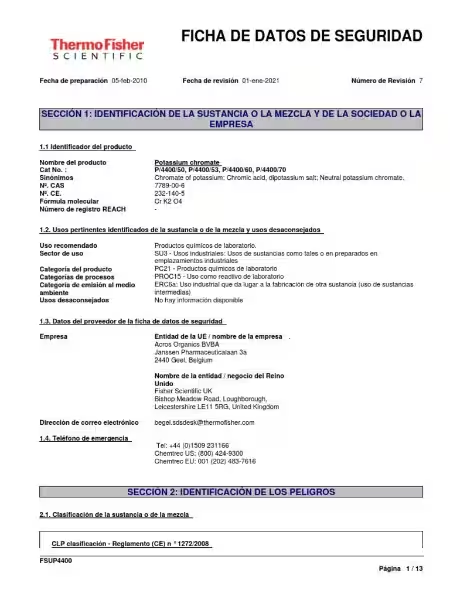
Understanding the sodium hydroxide GHS classification is fundamental to its safe handling, transportation, storage, and disposal. Its corrosive nature necessitates stringent adherence to safety protocols and the use of appropriate personal protective equipment. By prioritizing safety and complying with regulations, the risks associated with this essential chemical can be effectively minimized. Always refer to the Safety Data Sheet (SDS) for the specific product you are using for detailed information regarding hazards, safe handling practices, and emergency procedures. Remember, neglecting proper safety measures can have severe consequences.