Understanding Sodium Gluconate: A Versatile Chemical Compound
Understanding Sodium Gluconate: A Versatile Chemical Compound
Sodium gluconate is a chemical compound with a surprisingly wide range of applications. Its versatility stems from its unique properties, making it a valuable ingredient in various industries, from food processing to construction. Let's delve into the details of this fascinating chemical.
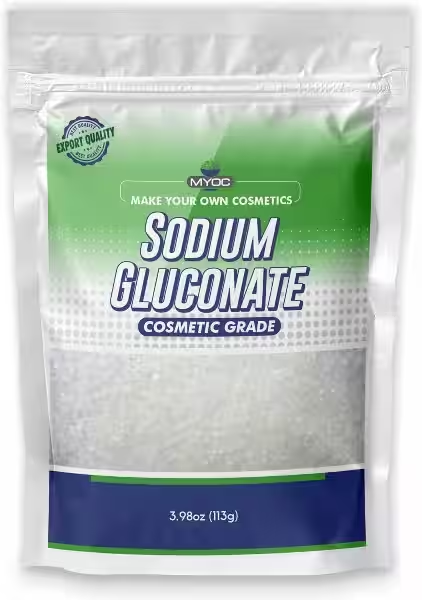
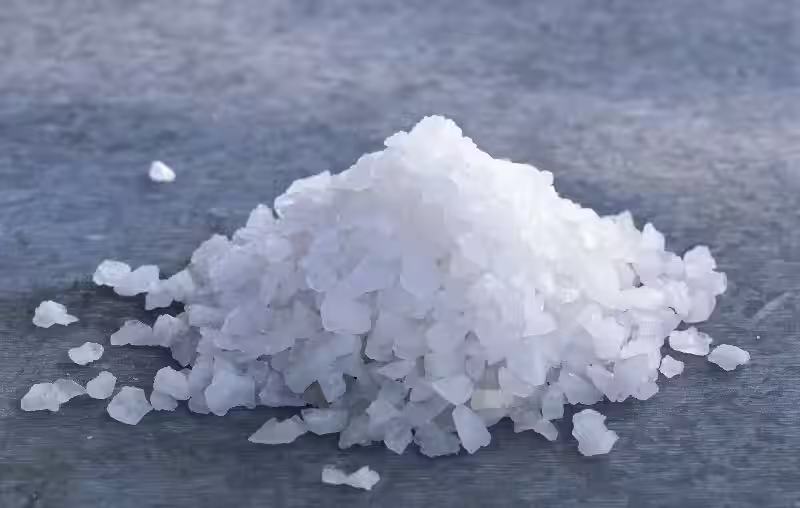
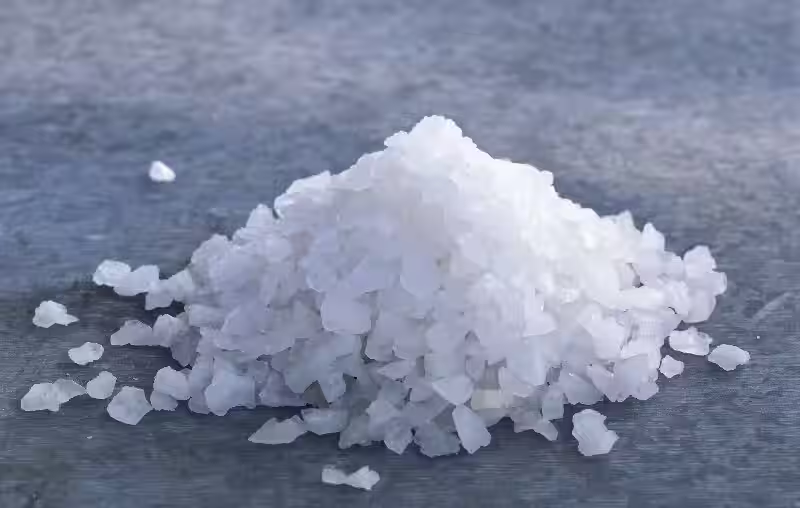
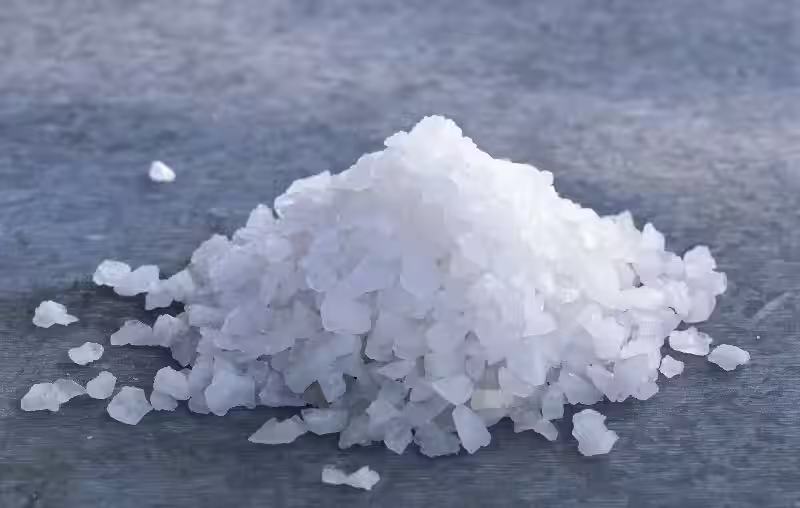
Sodium gluconate (NaC₆H₁₁O₇), also known by its E number E576, is the sodium salt of gluconic acid. It's a white, crystalline powder that's readily soluble in water. This simple description belies its complex functionality.
Its key characteristic, and the reason for its widespread use, is its potent chelating ability. This means it can effectively bind to metal ions, such as calcium, iron, and copper. This metal-binding capacity is responsible for many of its beneficial applications. Furthermore, it's considered non-toxic and readily biodegradable, making it a relatively environmentally friendly option compared to some other chelating agents.
The ease with which sodium gluconate dissolves in water is also crucial. Many applications require it to be readily incorporated into solutions, and its solubility makes this process straightforward. This characteristic, combined with its safety profile, renders it suitable for a wide range of uses.
Production Methods of Sodium Gluconate
Sodium gluconate is produced primarily through two distinct methods: fermentation and chemical synthesis.
Fermentation
The fermentation process utilizes microorganisms, most commonly strains of Aspergillus niger or Pseudomonas, to ferment glucose (or other sugars) into gluconic acid. This natural process mimics the way some bacteria create gluconic acid in the environment. The gluconic acid is then neutralized using sodium hydroxide (NaOH), resulting in the formation of sodium gluconate. Subsequent purification steps, such as filtration and crystallization, ensure a high-purity product.
This method is often preferred due to its environmentally friendly nature, relying on biological processes rather than harsh chemical reactions. The resulting sodium gluconate is generally of high quality and purity.
Chemical Synthesis
Chemical synthesis provides an alternative route to producing sodium gluconate. This approach often involves the direct reaction of gluconic acid with sodium hydroxide. While potentially more efficient in terms of production speed, this method might not be as environmentally friendly as fermentation depending on the specific chemical processes used. The purity of the final product will also depend on the efficacy of the purification and crystallization processes.
The applications of sodium gluconate are remarkable in their breadth and diversity.
Food Industry
In the food industry, sodium gluconate serves as a valuable sequestrant. It prevents metal ions from catalyzing undesirable reactions that could negatively affect the color, flavor, or texture of food products. Its role is often subtle, preventing degradation rather than adding a noticeable characteristic itself. This is a crucial function ensuring the quality and shelf life of various processed foods.
Furthermore, its mild alkalinity allows it to act as a buffering agent, helping maintain the desired pH levels in certain food products. This ensures the stability and overall quality of the finished product. The safety of sodium gluconate contributes significantly to its widespread use in the food sector.
Construction Industry
In the construction industry, sodium gluconate is a valuable concrete admixture. It acts as both a water reducer and a set retarder. As a water reducer, it allows for the use of less water in concrete mixes, resulting in stronger, more durable concrete. As a set retarder, it extends the setting time, giving construction workers more time to work with the concrete before it hardens. This functionality is crucial for large-scale construction projects. The benefits to both the final product and worker efficiency make sodium gluconate a practical and valuable addition to concrete.
Other Applications
Beyond food and construction, sodium gluconate finds its way into a surprising number of applications. It's used in:
Cleaning products: As a chelating agent, it helps remove mineral deposits and scale build-up. This makes it particularly effective in glass bottle cleaning and other cleaning formulations.
Textile industry: It aids in dyeing and printing processes by acting as a chelating agent, which improves color fastness.
Metallurgy: It is used in metal surface treatment and cleaning, particularly for steel.
Electroplating: Its chelating properties improve the quality of the plated metal.
The versatility of sodium gluconate is a testament to its unique chemical properties.
Safety and Regulations
Sodium gluconate is generally recognized as safe (GRAS) by the U.S. Food and Drug Administration (FDA) and other regulatory bodies for use in food applications at specific concentrations. Its biodegradability also contributes to its environmentally friendly profile. However, as with any chemical, proper handling and safety precautions should always be followed. The specific regulations and use guidelines may vary depending on the region and the intended application.
Sodium gluconate, with its remarkable combination of chelating ability, water solubility, and biodegradability, stands out as a versatile and valuable chemical compound. Its widespread acceptance across numerous industries, coupled with its non-toxic nature and environmentally friendly profile, ensures its continued importance in various manufacturing processes and applications. The ongoing research and development related to sodium gluconate will undoubtedly reveal even more of its potential applications in the future.
Frequently Asked Questions about Sodium Gluconate
What is sodium gluconate?
Sodium gluconate (NaC₆H₁₁O₇) is the sodium salt of gluconic acid. It's a white, water-soluble powder with excellent chelating properties – meaning it binds to metal ions. This, combined with its non-toxicity and biodegradability, makes it a valuable additive in many industries.
How is sodium gluconate produced?
Sodium gluconate is primarily produced through two methods: fermentation and chemical synthesis. Fermentation uses microorganisms (like Aspergillus niger) to ferment glucose into gluconic acid, which is then neutralized with sodium hydroxide (NaOH). Chemical synthesis offers an alternative production route. Both methods are followed by purification, crystallization, drying, and packaging.
What are the key properties of sodium gluconate?
Key properties include its high water solubility, chelating ability (binding to metal ions), non-toxicity, biodegradability, and mild alkalinity. These properties contribute to its diverse applications.
What are the main applications of sodium gluconate?
Sodium gluconate has a wide range of applications:
Food Industry: Acts as a sequestrant, preventing metal ions from affecting food quality (color, flavor, stability).
Construction: Used as a concrete admixture, improving workability and performance by reducing water and retarding setting time.
Textile Industry: Enhances color fastness in dyeing and printing processes as a chelating agent.
Metallurgy: Used in metal surface treatment and cleaning, particularly for steel.
Cleaning Products: Often acts as a chelating agent in various cleaning formulations, including glass bottle cleaning.
Is sodium gluconate safe?
Regulatory bodies like the FDA generally recognize sodium gluconate as safe (GRAS - Generally Recognized As Safe) for use in food applications at specified concentrations. However, appropriate handling and safety measures should always be followed. The safety profile varies depending on concentration and application.
Is sodium gluconate environmentally friendly?
Yes, its biodegradability makes it a more environmentally friendly alternative to some other chelating agents.
What is the role of sodium gluconate in concrete?
In concrete, it acts as a water reducer and set retarder. This improves workability (making it easier to pour and finish) and extends the setting time, allowing for better placement and potentially stronger, more durable concrete.
How does sodium gluconate work as a chelating agent?
Sodium gluconate's chelating ability comes from its structure, which allows it to surround and bind to metal ions, preventing them from reacting in unwanted ways. This is useful in preventing discoloration, scaling, and other problems in various applications.
Where can I find more information about sodium gluconate?
You can find additional information through scientific databases, chemical supplier websites, and regulatory agency publications (like the FDA website).
This FAQ provides a comprehensive overview of sodium gluconate, addressing key aspects of its properties, production, applications, and safety. Always consult relevant safety data sheets (SDS) before handling or using sodium gluconate in any application.