Understanding Sodium Silicate Anhydrous: Uses and Applications
Understanding Sodium Silicate Anhydrous: Uses and Applications
Sodium silicate anhydrous, also known as sodium metasilicate anhydrous, is a versatile inorganic compound with a wide array of industrial applications. Its unique properties, stemming from its chemical structure and high alkalinity, make it a crucial ingredient in various manufacturing processes and consumer products. This article will delve into the characteristics and uses of this fascinating chemical.
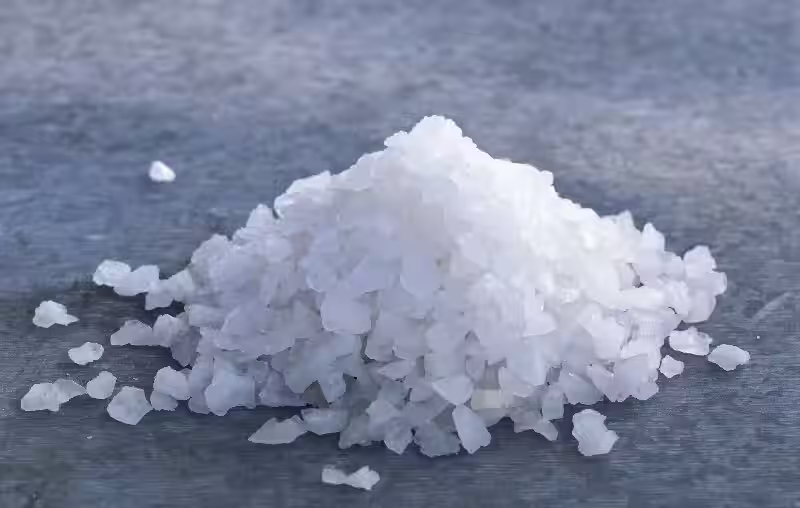
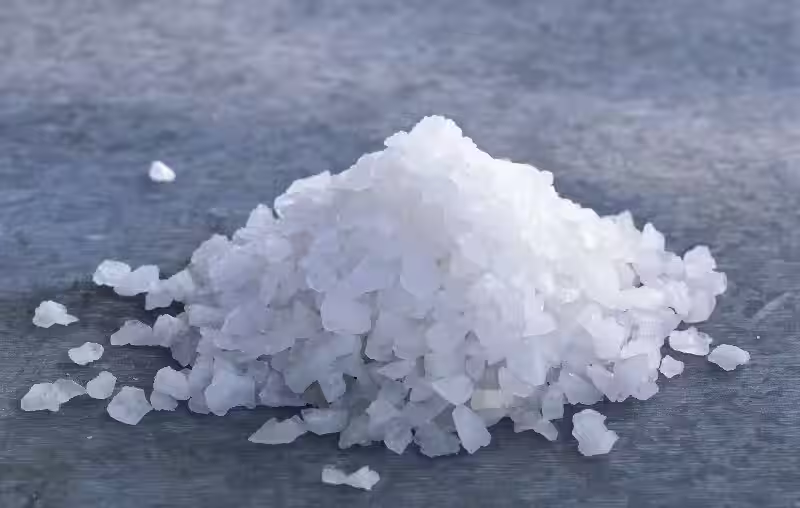
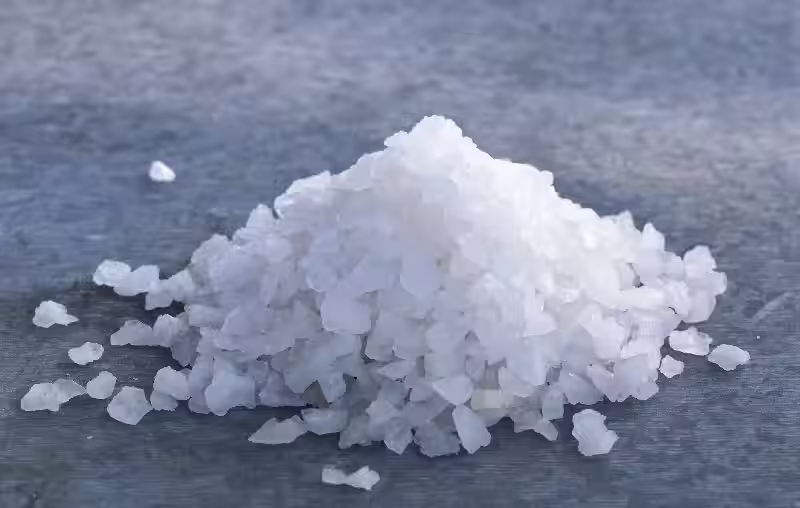
Sodium silicate anhydrous (Na₂SiO₃) exists as a white to slightly off-white powder. Its anhydrous nature, meaning it's devoid of water molecules, is critical to its reactivity and solubility. Unlike its hydrated counterparts, it readily dissolves in water, forming a strong alkaline solution. This alkalinity is a key factor behind many of its applications.
The anhydrous form is highly hygroscopic, meaning it readily absorbs moisture from the surrounding air. This characteristic necessitates careful storage in airtight containers to prevent caking and maintain its quality. Prolonged exposure to moisture can lead to the formation of hydrated sodium silicates, altering its properties and potentially impacting its effectiveness in various applications.
Industrial Applications of Sodium Silicate Anhydrous
Sodium silicate anhydrous finds extensive use across many industrial sectors. Its versatility stems from its ability to act as a binder, a sealant, a detergent additive, and more.
Construction and Building Materials
In the construction industry, sodium silicate anhydrous plays a significant role as a binder in various applications. It improves the strength and durability of certain building materials, and its ability to penetrate porous surfaces makes it an ideal component in fireproofing treatments for wood and as a component in some types of cement. Its use as a binder also extends to the manufacturing of refractories, materials that can withstand extremely high temperatures.
The use of sodium silicate anhydrous in cement manufacturing is crucial for enhancing the properties of the final product. It can contribute to improved strength, water resistance, and workability. The precise function and benefits depend on the specific formulation and application.
Sodium silicate anhydrous’s alkaline nature makes it an effective water treatment agent. It's employed as a coagulant in wastewater treatment plants, helping to remove suspended solids and improve water clarity. This capability is vital in ensuring clean and safe water supplies.
Furthermore, its strong cleaning properties make it a valuable component in many industrial and household cleaning products. It’s often incorporated into detergents, acting both as a builder to enhance the effectiveness of surfactants and as a water softener. It's also used in specialized cleaners for metal surfaces, removing rust and other impurities.
Other Notable Applications
Beyond construction and cleaning, sodium silicate anhydrous finds applications in a diverse range of industries. These include:
Textile Industry: As a fixing agent for dyes, ensuring vibrant and long-lasting colors.
Paper Industry: Used in paper production for various purposes, such as improving the strength and sizing of paper.
Adhesives and Sealants: Its strong binding properties are utilized in the production of adhesives and sealants for various applications.
Automotive Industry: Used in certain automotive applications, often as a component in lubricants or coatings. (Specific applications vary widely and depend on the formulation).
Food Industry: In some limited cases, it's used as a food additive (though this use is subject to stringent regulations).
Safety Precautions and Handling
Handling sodium silicate anhydrous requires careful attention to safety. As a strong alkali, it can cause irritation or burns upon contact with skin and eyes. Inhalation of the dust can also irritate the respiratory system.
Therefore, when working with this chemical, it's crucial to wear appropriate personal protective equipment (PPE), including gloves, eye protection, and a respirator. Good ventilation is essential to minimize the risk of inhalation. Proper disposal methods should be followed, adhering to all local and national regulations for handling hazardous waste. Always refer to the Safety Data Sheet (SDS) for detailed safety information before handling the material.
Sodium silicate anhydrous is a highly versatile and important industrial chemical. Its diverse applications stem from its unique properties, including its high alkalinity, binding capabilities, and solubility. Understanding its properties and handling precautions are crucial for safe and effective utilization across various applications. From construction to water treatment and cleaning, this compound plays a significant role in numerous industrial processes and consumer products.
Frequently Asked Questions about Sodium Silicate Anhydrous
Here are some frequently asked questions about sodium silicate anhydrous, along with their answers. Please note that this information is for general knowledge and should not be considered professional advice. Consult safety data sheets (SDS) and relevant regulatory information for specific applications and safety procedures.
What is sodium silicate anhydrous?
Sodium silicate anhydrous, also known as sodium metasilicate anhydrous, is an inorganic compound with the chemical formula Na₂SiO₃. It's a white or slightly off-white powder that's highly alkaline and readily absorbs moisture from the air (hygroscopic). The "anhydrous" designation means it contains no water molecules in its crystalline structure, unlike its hydrated counterparts.
What are the common uses of sodium silicate anhydrous?
Sodium silicate anhydrous has a wide range of applications due to its strong alkaline nature and binding properties. Some common uses include:
Detergents and cleaners: As a builder to enhance cleaning power and soften water.
Adhesives and binders: In various bonding applications.
Wastewater treatment: As a coagulant.
Cement and concrete: To improve properties.
Corrosion inhibitors: In certain applications.
Textile industry: As a bleaching agent and dye fixing agent.
Is sodium silicate anhydrous dangerous?
Yes, sodium silicate anhydrous is corrosive and can cause irritation to skin, eyes, and respiratory system. Always wear appropriate personal protective equipment (PPE), including gloves, eye protection, and a respirator, when handling this chemical. Ensure adequate ventilation in the work area and follow all safety guidelines outlined in the SDS.
Because it's hygroscopic, sodium silicate anhydrous should be stored in tightly sealed containers in a cool, dry place to prevent moisture absorption and caking. Protect it from exposure to air and water.
What are the safety precautions I should take when handling sodium silicate anhydrous?
Always refer to the Safety Data Sheet (SDS) for the specific product you are using. In general, wear appropriate PPE, provide adequate ventilation, avoid contact with skin and eyes, and handle with care to avoid inhalation. In case of contact, immediately flush the affected area with plenty of water and seek medical attention if necessary.
Where can I buy sodium silicate anhydrous?
Sodium silicate anhydrous can be purchased from various chemical suppliers, both online and offline. It's important to ensure that the supplier provides a valid Safety Data Sheet (SDS) and complies with all relevant regulations.
What is the difference between anhydrous and hydrated sodium silicate?
The key difference lies in the water content. Anhydrous sodium silicate contains no water molecules, while hydrated forms contain varying amounts of water molecules incorporated into their crystal structure. The anhydrous form is generally more reactive and soluble than its hydrated counterparts.
Can sodium silicate anhydrous be used in food applications?
While sodium silicate in some forms is permitted as a food additive in certain regions under specific regulations, it's crucial to consult food safety regulations and guidelines before using it in any food product. The use of anhydrous sodium silicate in food applications might be restricted or prohibited depending on the region and intended application.
This FAQ provides a general overview. Always consult the relevant Safety Data Sheet (SDS) and local regulations before handling or using sodium silicate anhydrous.