Understanding the Dangers of a Toxic Placard: A Guide to Hazardous Materials
Understanding the Dangers of a Toxic Placard: A Guide to Hazardous Materials
The presence of a toxic placard on a vehicle or container signals significant danger. Understanding what this means is crucial for safety and compliance. This article will explore the implications of encountering a toxic placard, covering identification, safety precautions, and legal responsibilities.
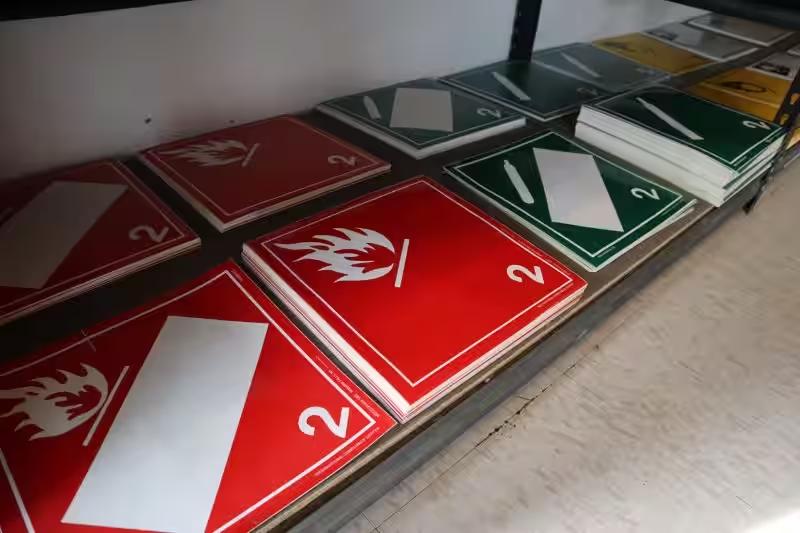
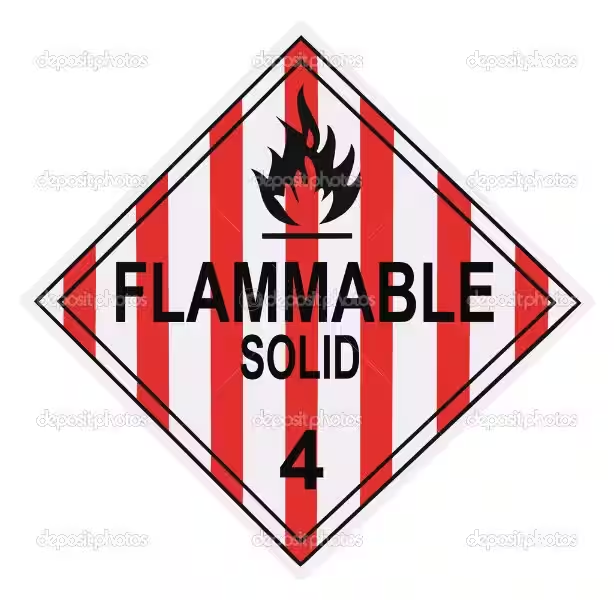
Toxic placards, part of the Hazardous Materials Identification System (HMIS), are crucial for identifying and handling hazardous materials during transportation. These placards are diamond-shaped and feature a distinctive symbol and hazard class number, usually in white lettering on a black background.
The presence of a "Toxic" placard indicates the material poses significant health risks through inhalation, ingestion, or skin absorption. This isn't simply a matter of mild irritation; we're talking about substances capable of causing serious illness or even death. These materials require special handling and transportation protocols to minimize the risk of exposure.
Safety Precautions When Encountering Toxic Placards
Encountering a toxic placard demands immediate caution. The first step is to maintain a safe distance. Avoid contact with the substance at all costs. Do not touch the container or attempt to open it. The next step depends on the situation:
If you are an emergency responder: Follow your established protocols and utilize appropriate personal protective equipment (PPE). This may include respirators, protective suits, and gloves.
If you are a member of the public: Evacuate the area immediately and alert emergency services. Provide them with as much information as possible about the location and the placard's markings.
Remember: Your safety is paramount. Never underestimate the potential danger represented by a toxic placard.
Understanding the Specific Hazards of Division 6.1
Division 6.1 specifically deals with toxic substances that pose acute health hazards. This means the substance can cause immediate and severe health effects even with short-term exposure. This differs from other hazard classes, which might pose chronic risks over extended periods. Understanding this difference is crucial in determining the appropriate response to a toxic placard.
Handling and transporting materials marked with a toxic placard is heavily regulated. Failure to comply with these regulations can lead to significant fines and legal repercussions. These regulations cover various aspects, including:
Packaging and labeling: Strict rules govern the packaging and labeling of toxic materials to ensure safe transportation and prevent accidental spills or leaks.
Transportation routes: Certain routes may be prohibited or restricted for transporting hazardous materials, including those marked with a toxic placard.
Emergency response planning: Companies transporting toxic materials must have comprehensive emergency response plans in place to handle potential spills or accidents.
Employee training: Employees handling or transporting these materials must receive adequate training on safe handling procedures, emergency response protocols, and relevant regulations.
The Importance of Proper Training and Documentation
Companies and individuals involved in the transportation or handling of toxic materials must maintain thorough documentation. This documentation includes training records for employees, manifests detailing the transported substances, and records of any incidents or near misses. Proper training and comprehensive documentation are crucial for demonstrating compliance and minimizing risks. Lack of proper documentation and training could lead to severe penalties in case of an incident.
Beyond the Placard: A Broader Look at Safety
While the toxic placard is a clear warning sign, it's important to remember that safety extends beyond simply recognizing the symbol. A comprehensive safety program should include multiple layers of protection:
Engineering controls: Implementing physical barriers, ventilation systems, and other engineering solutions to minimize exposure risks.
Administrative controls: Establishing procedures and protocols to minimize the chance of accidents and spills.
Personal protective equipment (PPE): Providing employees with appropriate PPE to minimize exposure to hazardous materials.
Technological Advancements in Hazard Communication
Technology is playing an increasingly important role in improving hazard communication. Real-time tracking systems can monitor the location and condition of hazardous materials during transport, alerting authorities to potential problems immediately. Improved labeling systems and digital manifests enhance information access and reduce the risk of errors. These technological advancements contribute to creating a safer environment for everyone involved.
The presence of a toxic placard is not a suggestion; it's a serious warning. Understanding the potential dangers, complying with regulations, and maintaining a vigilant safety program are crucial for preventing accidents and protecting human health and the environment. Ignoring the warning of a toxic placard can have devastating consequences. Remember, safety is not just a responsibility; it's a necessity.
This FAQ section addresses common questions about Division 6.1 Toxic Placards. Note that this information is for general knowledge and should not be considered legal advice. Always consult official regulations and qualified professionals for specific guidance.
What are Division 6.1 Toxic Placards?
Division 6.1 placards are used to identify materials transported that are toxic and pose significant health hazards. These materials can cause death or serious injury through inhalation, skin absorption, or ingestion. They are classified under the United States Department of Transportation (DOT) Hazardous Materials Regulations and similar international regulations. The specific substances included under this classification are extensive and defined by their properties and potential health effects.
What kind of hazards do Division 6.1 materials present?
Division 6.1 materials pose a variety of health hazards, including but not limited to: acute toxicity (short-term poisoning), chronic toxicity (long-term health effects), carcinogenicity (cancer-causing), mutagenicity (gene mutation-causing), teratogenicity (birth defect-causing), and reproductive toxicity. The specific hazards vary depending on the substance being transported.
How are Division 6.1 materials identified?
Division 6.1 materials are identified through UN numbers assigned by the UN Committee of Experts on the Transport of Dangerous Goods. These numbers are listed on shipping papers, placards, and labels. The placard itself will display the "6.1" designation prominently, indicating the presence of toxic materials within the shipment.
What are the regulations surrounding the transport of Division 6.1 materials?
The transportation of Division 6.1 materials is strictly regulated to minimize the risk of accidents and environmental contamination. Regulations cover packaging requirements, labeling, placarding, vehicle specifications, driver training, emergency response planning, and documentation. These regulations vary slightly based on the specific mode of transport (road, rail, sea, air) and the governing jurisdiction.
What are the consequences of non-compliance with Division 6.1 regulations?
Non-compliance with the regulations governing the transport of Division 6.1 materials can result in serious consequences, including significant fines, operational shutdowns, legal action, and potential harm to human health and the environment. The severity of the penalty depends on the nature and extent of the violation.
Where can I find more detailed information on Division 6.1 regulations?
Comprehensive information on Division 6.1 regulations can be found through government agencies such as the U.S. Department of Transportation (DOT), [Insert relevant International bodies and other sources], and industry associations. Consult official publications and guidance documents for the most up-to-date and accurate information. Specialized training courses are also available for those involved in the transportation of hazardous materials.
What should I do if I encounter a spilled or leaking Division 6.1 material?
If you encounter a spilled or leaking Division 6.1 material, immediately evacuate the area and contact emergency services. Do not attempt to handle the material yourself. Provide emergency responders with as much information as possible about the substance, its quantity, and the circumstances of the spill. Follow their instructions carefully.
Are there specific training requirements for handling Division 6.1 materials?
Yes, individuals involved in the transport, handling, or storage of Division 6.1 materials often require specialized training to understand the hazards, regulations, and safe handling procedures. This training generally covers hazard identification, emergency response, and compliance with relevant regulations. The specific requirements vary depending on the role and responsibilities of the individual.
This FAQ provides a general overview. For specific details, always refer to the latest official regulations and seek professional advice when needed.