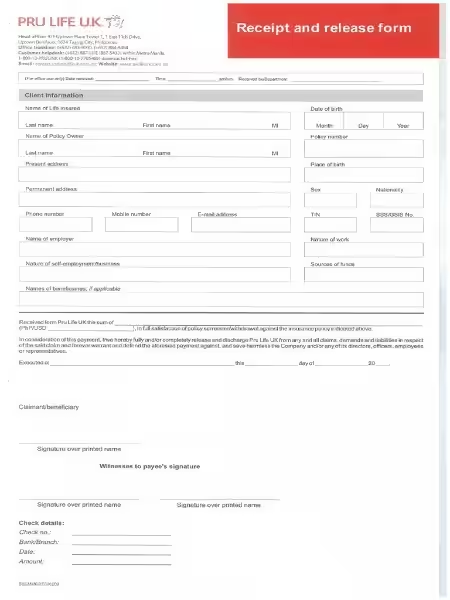
Understanding and Utilizing a Receipt and Release Form
Understanding and Utilizing a Receipt and Release Form
Many situations require a formal acknowledgment of receiving something, whether it's property, payment, or services rendered. This is where a receipt and release form becomes invaluable. But what exactly is a receipt and release form, and when should you use one? This article will demystify this crucial document, explaining its components, legal implications, and best practices for its use.
A receipt and release form is a legally binding document that serves a dual purpose: it acts as a receipt, confirming the transfer of something of value, and as a release, absolving one party from future liability related to that transfer. It's a comprehensive record that protects both parties involved in a transaction.
The key difference between a simple receipt and a receipt and release form lies in the release portion. A simple receipt only confirms the transfer; it doesn't limit liability. A receipt and release form, however, includes specific language explicitly releasing one or both parties from potential claims related to the item or service received.
Key Components of a Receipt and Release Form
A well-drafted receipt and release form typically includes several crucial elements:
Date: The date the transaction occurred.
Parties Involved: The names and contact information of all parties involved. This should be precise and unambiguous to avoid any later confusion.
Description of Item or Service: A clear and detailed description of what was received or what service was rendered. Vagueness here can weaken the legal standing of the document.
Acknowledgement of Receipt: A statement explicitly acknowledging the receipt of the item or service. Phrases like "Received in good condition" or "Services rendered satisfactorily" are commonly used.
Release of Liability: This is the core component. It clearly states that one or both parties release the other from any future claims or liabilities related to the transaction. It's crucial to specify the type of liability being released (e.g., damage, injury, financial loss).
Signatures: The signatures of all parties involved signify their agreement to the terms outlined in the document. This is essential for the document's legal validity. Consider including witness signatures for added security.
Consideration: This section states the value exchanged. It could be a monetary amount, the exchange of goods, or the provision of services.
The language used in a receipt and release form must be precise and unambiguous. Legal jargon should be avoided whenever possible, opting instead for clear and simple language that is easily understandable by all parties. Ambiguous phrases can lead to disputes and weaken the document's legal protection. It is highly recommended to seek legal counsel to ensure the form is properly drafted to protect your interests.
When to Use a Receipt and Release Form
Receipt and release forms are beneficial in various situations, including but not limited to:
Returning Equipment or Property: When returning rented or borrowed equipment or property, a receipt and release form protects both the lender and the borrower from future disputes regarding damage or loss.
Settlement Agreements: In resolving disputes or claims, a receipt and release form can formalize the agreement and release both parties from further liability.
Volunteer Activities: Organizations often require volunteers to sign a receipt and release form acknowledging the inherent risks associated with the activity and releasing the organization from liability.
Sale of Goods: Especially for used goods, a receipt and release form can protect the seller from future claims related to the condition of the item.
Medical Procedures: While informed consent forms are separate, a receipt and release form might be used in conjunction to confirm receipt of post-procedure instructions or materials.
Understanding the Legal Implications
It's crucial to understand that a receipt and release form, while offering strong protection, is not foolproof. Intentional fraud or gross negligence may not be covered. The effectiveness of the form depends largely on its clarity, completeness, and the legal jurisdiction where it's used. Consulting with a legal professional is always advisable, especially in complex or high-value transactions.
Best Practices for Using a Receipt and Release Form
Use a Standardized Form: Using a professionally drafted template ensures the inclusion of all necessary elements and minimizes the risk of ambiguity.
Review Carefully Before Signing: Ensure you understand all the terms and conditions before signing the form. Don't hesitate to ask for clarification if anything is unclear.
Keep Copies: Maintain copies of the signed receipt and release form for your records.
Seek Legal Advice: If the transaction involves significant value or potential risk, seek legal advice before using the form.
A well-drafted receipt and release form is a valuable tool for protecting your interests in various transactions. By understanding its components, legal implications, and best practices, you can utilize this document effectively to minimize risks and ensure clear communication between parties. Remember, prevention is always better than cure, and a properly executed receipt and release form is a significant step in preventing potential disputes.
Receipt and Release Form FAQ
Here are some frequently asked questions about receipt and release forms:
What is a Receipt and Release Form?
A receipt and release form is a legal document that serves two primary purposes. First, it acts as a receipt, acknowledging the transfer of something of value (goods, services, money, etc.) between two parties. Second, it includes a release of liability clause, where one party agrees to waive their right to sue the other party for certain claims related to the transaction. This is crucial for protecting both parties involved.
When are Receipt and Release Forms Used?
These forms are commonly used in a variety of situations, including:
Return of Goods: Confirming the return of a product and releasing the seller from further responsibility.
Completion of Services: Documenting the completion of a service and the client's acceptance, releasing the service provider from liability for certain issues.
Participation in Activities: Used for activities with inherent risks, such as sporting events, adventure trips, or medical procedures, where participants acknowledge the risks and release the organizer/provider from liability for injuries unless caused by gross negligence or intentional misconduct.
Settlements: In resolving disputes, a receipt and release form can document the payment and the release of claims.
What Information Should a Receipt and Release Form Include?
A comprehensive receipt and release form should contain:
Date: The date the form is signed.
Parties Involved: Full legal names and addresses of all parties.
Detailed Description: A clear and specific description of the goods, services, or agreement involved.
Payment Information: If applicable, details of the payment received (amount, method, etc.).
Release of Liability Clause: A specific statement releasing one party from liability for specified claims, often with exceptions for gross negligence or intentional misconduct.
Signatures and Dates: Signatures of all parties involved and the date of signing. It is advisable to have witnesses sign as well.
Governing Law: Specifies which state's laws govern the agreement.
Are Receipt and Release Forms Legally Binding?
Yes, if properly executed and worded, receipt and release forms are generally legally binding. However, the enforceability can depend on the specific wording of the release, the jurisdiction, and the circumstances surrounding the agreement. A poorly drafted form might be challenged in court. It's always recommended to seek legal advice when drafting or signing these forms, especially for high-value transactions or activities with significant risk.
What are the Limitations of a Receipt and Release Form?
While they offer protection, receipt and release forms don't provide absolute immunity. They generally won't protect a party from liability for:
Fraud or Misrepresentation: If the transaction involved intentional deception.
Gross Negligence or Intentional Wrongdoing: Actions characterized by extreme carelessness or intentional harm.
Breach of Contract: If the form relates to a specific contract, and a party breaches that contract.
Can I Create My Own Receipt and Release Form?
You can create your own, but it's highly recommended to seek legal counsel to ensure the form is legally sound and protects your interests. A poorly worded form can be ineffective or even detrimental. Using pre-made templates should be approached with caution and reviewed by legal counsel to ensure they adequately fit your specific situation. Professional legal advice is crucial to mitigate risks.