Understanding the regulations and uses of SDA alcohol is crucial for anyone working with or researching this versatile industrial chemical. This article aims to demystify SDA alcohol, exploring its characteristics, regulations, and applications.
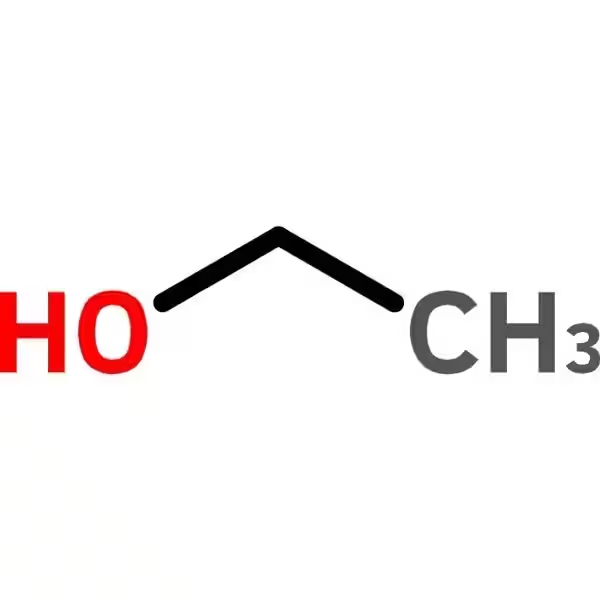
Specially Denatured Alcohol (SDA) is ethanol that has been treated with specific denaturants, rendering it unsuitable for human consumption. The process of denaturing alcohol involves adding substances that make the ethanol poisonous, unpalatable, or otherwise unfit for drinking. This is not about changing the chemical properties of the ethanol itself but rather about preventing its misuse as a beverage.
These denaturants vary depending on the intended application of the SDA. The choice of denaturant affects the final product's properties and suitability for different industrial processes. For instance, some denaturants might make the alcohol unsuitable for ingestion while still allowing it to function effectively as a solvent in cosmetic products. The key objective is to maintain the chemical functionality of the ethanol while ensuring it is undrinkable.
The Role of the Alcohol and Tobacco Tax and Trade Bureau (TTB)
The Alcohol and Tobacco Tax and Trade Bureau (TTB) in the United States plays a vital role in regulating the production, distribution, and use of SDA. Their regulations are designed to prevent the diversion of ethanol for beverage purposes, ensuring public safety. The TTB's oversight focuses on ensuring the proper denaturing process and preventing the unauthorized use of SDA as a consumable product. This strict regulation is critical in preventing health risks associated with drinking denatured alcohol. The TTB's regulations are carefully structured to balance public safety with the industrial needs for this versatile chemical.
SDA vs. Completely Denatured Alcohol (CDA)
The TTB distinguishes between two main categories of denatured alcohol: SDA and CDA (Completely Denatured Alcohol). SDA, as discussed, is treated with denaturants to render it unfit for drinking. However, the level of denaturation is less extreme than with CDA. This means that while SDA is not meant for consumption, the denaturants might not completely eliminate its potential for misuse. This necessitates more stringent regulatory oversight by the TTB for SDA. The specific regulations and permitted uses of each SDA formulation are clearly defined by the TTB.
CDA, on the other hand, undergoes a more thorough denaturation process. The denaturants used in CDA are chosen to make it practically impossible to reclaim potable alcohol. The resulting product is completely unsuitable for human consumption, significantly reducing the risk of diversion for illicit purposes. Consequently, the regulatory requirements for CDA are less stringent than for SDA; its use is generally authorized without requiring specific permits.
Applications of SDA Alcohol
The versatility of SDA alcohol makes it invaluable across a wide range of industries. Its primary application lies in its use as a solvent in various manufacturing processes.
Industrial Uses
Cosmetics: SDA is a common solvent in the manufacturing of perfumes, lotions, and other cosmetic products. Its cost-effectiveness, compared to pure, taxed ethanol, makes it a popular choice.
Pharmaceuticals: SDA finds application in the production of certain pharmaceuticals, acting as a solvent or reactant in various chemical processes.
Chemical Manufacturing: It serves as a solvent and reaction component in numerous chemical manufacturing processes. Its properties make it suitable for dissolving a variety of substances and assisting in chemical reactions.
Other Applications: Beyond these major sectors, SDA also finds niche applications in other industries, further highlighting its versatility and widespread utility.
The specific SDA formulation used will depend on the intended application. The TTB's regulations dictate which denaturants are permissible in each specific SDA type, ensuring both efficacy and safety.
Safety Precautions When Handling SDA Alcohol
While SDA is designed to be undrinkable, it's crucial to handle it with care. Always follow the manufacturer's safety guidelines and relevant regulations. The denaturants present in SDA can still pose potential health risks through skin contact, inhalation, or ingestion (though the latter is less likely due to its foul taste and odor). Appropriate personal protective equipment, such as gloves and eye protection, should always be used when handling SDA. Proper ventilation is also necessary when working with SDA in enclosed spaces.
Never attempt to consume SDA or any form of denatured alcohol. Doing so can lead to serious health consequences, including blindness or death, especially due to the presence of toxic denaturants like methanol.
In conclusion, SDA alcohol, while not intended for consumption, plays a crucial role in various industries. The TTB's regulations ensure its safe and responsible use, balancing industrial needs with public health concerns. Understanding the differences between SDA and CDA, along with the associated regulations, is vital for anyone involved in the handling, manufacturing, or research of this important industrial chemical. Always prioritize safety and adhere to all relevant guidelines when working with SDA alcohol.
Frequently Asked Questions about Specially Denatured Alcohol (SDA)
What is Specially Denatured Alcohol (SDA)?
Specially Denatured Alcohol (SDA) is ethanol (ethyl alcohol) that has been treated with additives called denaturants. These denaturants make the alcohol unsuitable for drinking, preventing its misuse as a beverage. The specific denaturants used vary depending on the intended application of the SDA. This process is regulated by the Alcohol and Tobacco Tax and Trade Bureau (TTB) in the United States to ensure public safety and prevent tax evasion.
Why is SDA denatured?
SDA is denatured to discourage its consumption as an alcoholic beverage. The denaturants make it unpalatable, and in some cases, toxic. This prevents tax evasion since potable alcohol is subject to significant excise taxes. The denaturation process doesn't necessarily alter the chemical properties of ethanol that make it useful as a solvent or reactant in various industrial applications.
What are the uses of SDA?
SDA has a wide range of industrial and commercial applications. It's commonly used as a solvent or reactant in various manufacturing processes. Significant uses include:
Cosmetics: A common solvent in many cosmetic products.
Pharmaceuticals: Used in the production of certain medications.
Chemical Manufacturing: A crucial component in many chemical processes.
The specific SDA formulation (different types of SDA exist, each with a unique blend of denaturants) will dictate its suitability for specific applications.
Is SDA safe to handle?
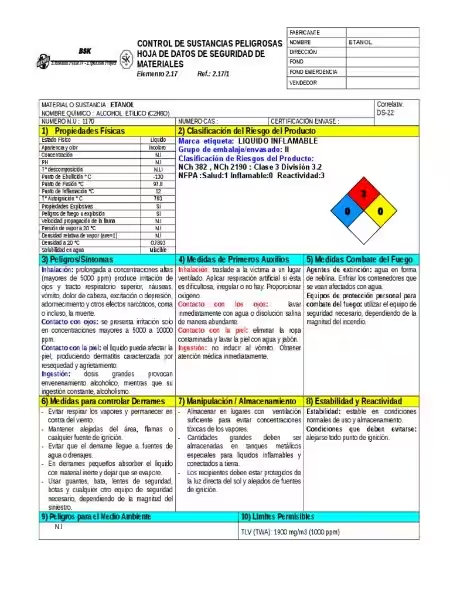
While SDA is not intended for consumption and its denaturants render it undrinkable, it's crucial to handle it with care. Always follow the safety guidelines provided by the manufacturer and wear appropriate personal protective equipment (PPE) as needed. Some denaturants can be irritating to the skin or eyes. Refer to the Safety Data Sheet (SDS) for specific information regarding handling, storage, and disposal.
How is SDA regulated?
In the United States, the production and use of SDA are governed by the TTB. While the regulations allow manufacturers to use SDA without specific permits for non-beverage applications, the TTB's oversight ensures the appropriate denaturing process is followed and prevents the unauthorized diversion of SDA for beverage purposes. The TTB's approach is risk-based, with stricter regulations for SDA formulations posing a higher risk of diversion.
What is the difference between SDA and Completely Denatured Alcohol (CDA)?
Both SDA and CDA are denatured to prevent consumption, but CDA undergoes a more extensive denaturation process, resulting in a product that is far less likely to be diverted for beverage use. This difference in denaturation level leads to different regulatory requirements, with CDA often having less stringent regulations than SDA.
Where can I purchase SDA?
SDA is available from various chemical suppliers. The specific supplier and availability will depend on your location and the specific SDA formulation required. Always ensure the supplier is compliant with all relevant regulations.