Understanding the Standard Bidding Document: A Guide for Participants
Understanding the Standard Bidding Document: A Guide for Participants
Obtaining government contracts often involves navigating complex bidding processes. A key element in this process is the standard bidding document (SBD). This article will explore the crucial role of SBDs, particularly within the context of the Inter-American Development Bank (IDB), clarifying their purpose, structure, and impact on procurement practices.
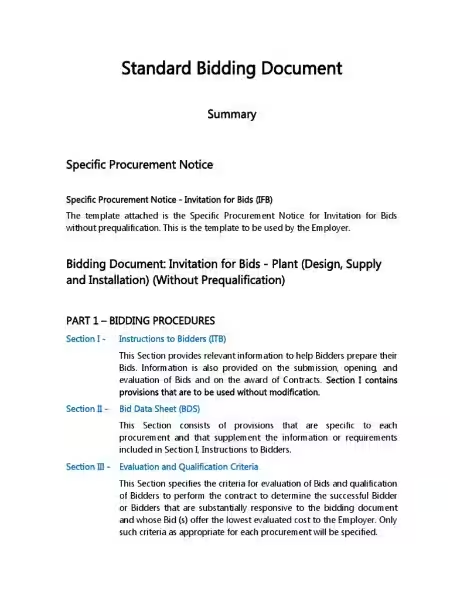
A standard bidding document is a standardized set of instructions and forms used to solicit bids for goods, works, or consulting services. Its primary purpose is to ensure transparency, fairness, and efficiency in the procurement process. This standardization minimizes ambiguity, reducing the potential for disputes and delays. The consistent application of an SBD creates a level playing field for all bidders, fostering healthy competition and promoting accountability.
Imagine trying to compare apples and oranges when evaluating bids. Without a structured SBD, each bidder might submit proposals in different formats, making objective comparisons nearly impossible. The SBD provides a common framework, allowing for a clear and consistent evaluation of all proposals.
The Role of SBDs in IDB-Financed Projects
The Inter-American Development Bank (IDB) leverages SBDs extensively to manage procurement for its projects. This commitment to standardization reflects the IDB’s dedication to responsible financial management and the prevention of corruption. The use of SBDs is not merely a suggestion; it's often mandatory for International Competitive Bidding (ICB) processes.
This mandatory application ensures that all bidders operate under the same set of rules, promoting fairness and preventing any potential biases from influencing the outcome. By standardizing the process, the IDB enhances transparency and accountability, building trust among stakeholders and ensuring the efficient allocation of resources.
Types of Standard Bidding Documents
The IDB primarily employs two types of SBDs:
SBD for Goods and Works: This document is used for the procurement of tangible goods and construction projects. It outlines specific requirements regarding technical specifications, quality standards, timelines, and payment schedules.
Request for Proposals (RFP): This SBD is utilized for the procurement of consulting services from firms. It focuses on the qualifications, experience, and proposed methodologies of the bidding firms. Evaluation criteria often emphasize technical expertise and proposed approaches rather than solely price.
Both types of SBDs ensure that all bidding processes are conducted consistently and transparently, regardless of the specific nature of the procurement. This consistency is essential for maintaining the integrity of the IDB's procurement procedures.
The benefits of using SBDs extend to all parties involved in the procurement process:
Increased Transparency: Clear guidelines and standardized formats enhance transparency, reducing the potential for favoritism or corruption.
Improved Efficiency: Streamlined processes reduce the time and resources required for bid preparation and evaluation.
Fair Competition: A level playing field ensures that all bidders have an equal opportunity to compete.
Reduced Disputes: Clear and unambiguous instructions minimize the likelihood of misunderstandings and disputes.
Enhanced Accountability: Standardized procedures improve accountability and oversight of the procurement process.
Streamlining the Process
The use of an SBD significantly simplifies the bidding process for both the procuring agency (the executing agency in the case of IDB projects) and the bidders. The clear and concise instructions eliminate ambiguity and reduce the administrative burden associated with bid preparation and submission. This efficiency translates to cost savings and quicker project implementation.
Promoting Fair Competition
The consistent application of an SBD levels the playing field for all bidders, irrespective of their size or experience. This ensures fair competition, promoting the selection of the most qualified and cost-effective bidder, rather than those with preferential access to information or influence.
Flexibility and Country-Specific Adaptations
While the IDB promotes the use of its SBDs, it also recognizes the need for flexibility to accommodate country-specific regulations and contexts. Certain countries have received approval from the IDB to use their own domestically developed SBDs, provided these align with the IDB’s core principles of transparency and efficiency.
This adaptive approach reflects the IDB's understanding that a one-size-fits-all solution may not always be ideal. By allowing for some flexibility, the IDB balances its commitment to standardization with the need to respect local legal and regulatory frameworks. Colombia, Honduras, Jamaica, and Mexico are examples of countries currently utilizing IDB-approved alternative SBDs.
Conclusion: The Importance of Standardized Processes
The use of a standard bidding document is pivotal for ensuring transparent, efficient, and accountable procurement practices, especially in large-scale projects financed by organizations like the IDB. The standardized approach provided by the SBD fosters fair competition, minimizes disputes, and ultimately contributes to the effective and responsible use of funds. Understanding the structure and purpose of the SBD is crucial for both procuring agencies and bidders seeking to participate in IDB-financed projects. By adhering to these standardized processes, all parties contribute to the successful and ethical implementation of development projects.
Frequently Asked Questions about IDB Standard Bidding Documents (SBDs)
What are IDB Standard Bidding Documents (SBDs)?
The Inter-American Development Bank (IDB) uses Standard Bidding Documents (SBDs) to ensure transparency, efficiency, and economy in procurement for IDB-financed projects. These standardized documents provide clear instructions and provisions for both procuring agencies (Executing Agencies) and bidders, streamlining the bidding process and promoting fair competition.
What types of SBDs are there?
There are two primary types: one for procuring goods and works, and another (a Request for Proposals or RFP) for procuring consulting services from firms.
Are SBDs mandatory?
Yes, SBDs are mandatory for International Competitive Bidding (ICB) processes for goods, works, or consulting services financed by the IDB. This ensures a level playing field and consistent adherence to IDB guidelines.
What are the benefits of using SBDs?
SBDs contribute to the integrity of the procurement process by promoting fair competition and combating corruption. They reduce ambiguity, minimize disputes and delays, enhance efficiency, and make the bidding process more accessible to a wider range of bidders.
How do SBDs promote transparency and fairness?
The clear and consistent guidelines in SBDs reduce opportunities for bias or favoritism, fostering trust and confidence among stakeholders. The standardized evaluation criteria ensure all bidders are assessed fairly.
Do all countries use the same IDB SBDs?
While the IDB's SBDs are widely applicable, some countries have received approval to use their own domestically developed SBDs, provided they align with IDB principles of transparency and efficiency. Examples include Colombia, Honduras, Jamaica, and Mexico.
The specific location for accessing the IDB SBDs may vary depending on the project and procurement method. It's recommended to check the IDB website or contact the relevant IDB project team for access to the appropriate documents.
What information is typically included in an SBD?
SBDs typically include instructions to bidders, a detailed scope of work or project description, bid evaluation criteria, contract terms and conditions, and the submission and award process. Specific details will vary depending on the type of procurement.
What if I have questions about the SBDs?
If you have questions about the SBDs for a specific IDB-financed project, contact the procuring agency or the IDB project team directly. Their contact information should be available in the bidding documents themselves.
How do SBDs contribute to efficient use of funds?
By streamlining the bidding process and promoting fair competition, SBDs help ensure that IDB-financed projects receive the best value for money. The reduced ambiguity and potential for disputes also saves time and resources.
What happens if I don't follow the instructions in the SBDs?
Failure to comply with the instructions and requirements in the SBDs may result in your bid being rejected. Strict adherence to the specifications is crucial for successful participation.
Are there any penalties for non-compliance with SBDs?
The consequences of non-compliance can range from bid disqualification to potential legal ramifications, depending on the specific terms and conditions outlined in the SBDs and applicable regulations.
Can I use my own bidding documents instead of the IDB's SBDs?
No, unless your country has obtained specific approval from the IDB to use domestically developed SBDs, you must use the IDB's standard bidding documents for ICB processes.
What is the purpose of standardization in the IDB's procurement process?
Standardization ensures fairness, transparency, and accountability in the use of funds, minimizing risks of corruption and promoting efficient resource allocation for development projects.
How are bids evaluated using the SBD's criteria?
The SBDs clearly outline the evaluation criteria and weighting system used to assess bids. This ensures a transparent and consistent evaluation process, promoting fair competition among bidders.