Is Jamaica Retirement Right for You? A Comprehensive Guide
Is Jamaica Retirement Right for You? A Comprehensive Guide
Jamaica, with its stunning beaches and vibrant culture, often tops the list for those considering a tropical retirement. But is it the right choice for you? This guide explores the realities of Jamaica retirement, weighing the alluring aspects against potential challenges.
The Allure of Jamaican Retirement: Sun, Sand, and Savings
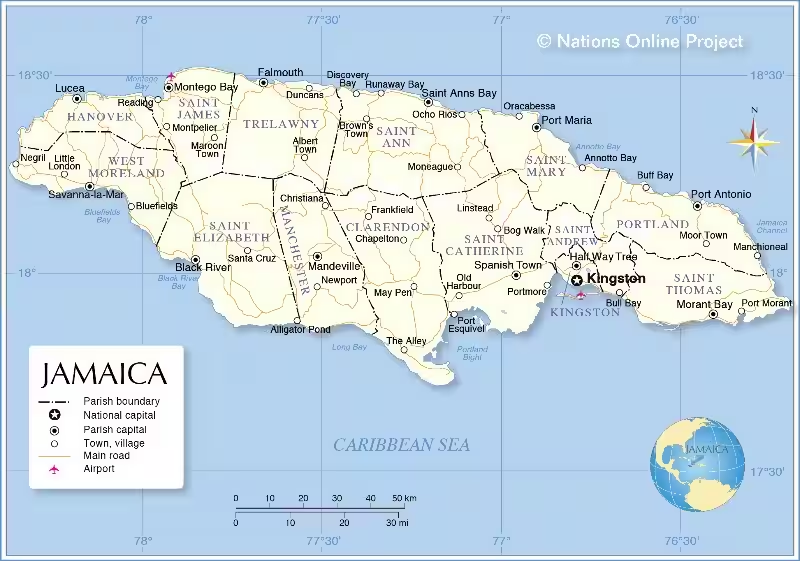
The most immediate draw of Jamaica retirement is the significantly lower cost of living compared to many Western countries. Numbeo estimates it's approximately 22% less than the U.S., a compelling factor for retirees on a fixed income. Real estate, particularly outside major tourist hubs, is remarkably affordable. You can find coastal properties in towns like Ocho Rios and Port Antonio for under $200 per square foot, while Kingston apartments average around $900 per month. While imported goods can be pricier, a comfortable monthly budget (excluding rent) can be achieved for around $913. This affordability contributes significantly to the appeal of Jamaica retirement.
This cost savings extends beyond housing. Groceries, utilities, and many services are generally cheaper than in North America or Europe. However, remember that this lower cost of living shouldn't overshadow other crucial considerations.
Healthcare in Jamaica: A Mixed Bag
Jamaica's healthcare system presents a dichotomy. Public healthcare is free, but it's often overburdened, resulting in long wait times and potentially limited access to specialized care. Private facilities, primarily in Kingston and Montego Bay, offer superior quality but come with a cost. This necessitates a careful assessment of your health needs and financial capacity. Purchasing comprehensive international health insurance that covers both local expenses and potential medical evacuations is strongly recommended. Annual premiums can range from $3,000 to $40,000 depending on coverage and your age. This is a non-negotiable aspect of planning for Jamaica retirement.
Visa and Residency Requirements: Navigating the Process
For American retirees, a six-month visa-free stay is initially granted. Beyond that, obtaining residency requires applying through the Jamaican consulate, which can be done before or after relocating. The process isn't guaranteed, demanding meticulous planning and preparation. It's crucial to understand the specific requirements and gather all necessary documentation well in advance of your intended move. This is a crucial step in the Jamaica retirement journey. Failure to plan adequately could lead to significant delays or even rejection.
Safety and Security: Addressing Crime Concerns
Jamaica's crime rate is a significant concern. The U.S. State Department regularly issues travel advisories warning of violent crime, impacting personal safety and potentially emergency response times. While crime is not ubiquitous, understanding the areas with higher crime rates and taking necessary precautions is essential for a safe and secure retirement. This is a factor to not take lightly when considering Jamaica retirement. Researching safe neighborhoods and engaging with local expat communities can provide valuable insights and support.
Tax Implications: Double Taxation and Beyond
Navigating the tax implications of Jamaica retirement requires careful planning. While double taxation avoidance agreements exist between the U.S. and Jamaica, retirees will still file tax returns in both countries. Jamaican income tax applies to income above a certain threshold, but Social Security benefits are exempt, and U.S. pensions are generally only taxed in the U.S. Residency for tax purposes is determined by factors such as the number of days spent in Jamaica annually and property ownership. Seeking professional tax advice is highly recommended to ensure compliance and optimize your tax situation.
Alternative Caribbean Retirement Destinations: Weighing Your Options
Before committing to Jamaica retirement, it's wise to explore alternative Caribbean destinations. The Bahamas, Belize, and the Dominican Republic each offer unique advantages and drawbacks regarding residency requirements, tax benefits, and cost of living. For example, Belize's Qualified Retirement Program requires a substantial monthly deposit, while the Dominican Republic offers a Pensionado Visa with specific income requirements. Each option demands thorough research to find the best fit for your individual circumstances and retirement goals.
Conclusion: Making an Informed Decision
Jamaica retirement offers a tempting blend of affordability and tropical living. However, a realistic assessment of healthcare access, safety concerns, visa procedures, and tax implications is crucial. Thorough research, professional financial and legal advice, and careful consideration of alternative locations are essential steps in making an informed and successful transition to your Jamaican retirement. Remember to weigh the pros and cons carefully before making this significant life change.
What is the cost of living in Jamaica for retirees?
The cost of living in Jamaica is significantly lower than in the U.S., approximately 22% less according to Numbeo. Real estate is considerably cheaper, with coastal properties often priced under $200 per square foot in areas like Ocho Rios and Port Antonio. Kingston apartments average around $900 per month. While some imported goods are more expensive (e.g., milk), a comfortable monthly budget (excluding rent) can be around $913. However, remember that this affordability needs to be balanced against other factors like healthcare costs and potential safety concerns.
What about healthcare in Jamaica?
Jamaica has a mixed healthcare system. Public healthcare is free but can be overcrowded with long wait times, especially in public hospitals. Private healthcare facilities in Kingston and Montego Bay offer superior care, but at a cost. Purchasing comprehensive international health insurance is highly recommended to cover both local expenses and potential medical evacuations. Annual premiums can range from $3,000 to $40,000 depending on coverage and age.
What are the visa requirements for American retirees?
Americans can stay in Jamaica visa-free for six months. After that, residency must be applied for through the Jamaican consulate, either before or after relocating. Obtaining residency isn't guaranteed, and thorough planning is crucial before making a permanent move.
How safe is Jamaica for retirees?
Jamaica's crime rate is a significant concern. The U.S. State Department issues travel advisories warning of violent crime, which can affect personal safety and emergency response times. Retirees should carefully research specific areas and consider their personal safety needs before relocating.
What are the tax implications of retiring in Jamaica?
Jamaica has double taxation avoidance agreements with the U.S., but retirees will still need to file tax returns in both countries. Jamaican income tax applies to income above a certain threshold (approximately $10,772.64 USD as of February 2025). However, Social Security benefits are exempt from Jamaican taxes, and U.S. pensions are generally only taxed in the U.S. Residency for tax purposes is determined by spending at least 183 days in Jamaica during a tax year or meeting other criteria related to home ownership and visits. Professional financial advice is strongly recommended to navigate these complexities.
What are some alternative Caribbean retirement destinations?
Several other Caribbean islands offer retirement options. The Bahamas requires a significant property purchase for residency or an annual homeowner's card. Belize has a Qualified Retirement Program requiring a minimum monthly deposit of $2,000. The Dominican Republic offers a Pensionado Visa with tax benefits and permanent residency for those with a $1,500 monthly income. Each option has its own advantages and disadvantages; thorough research is essential.