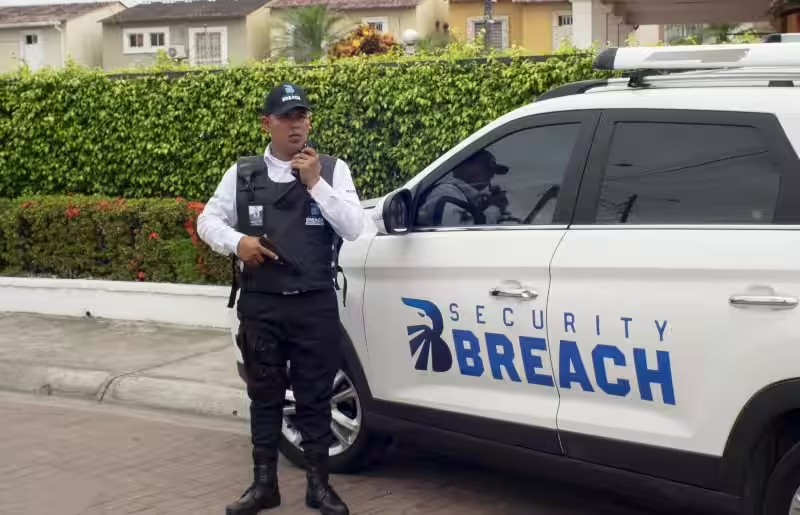
Effective event safety management is paramount for a successful event. It's not just about avoiding accidents; it's about creating a positive and trustworthy experience for attendees, staff, and organizers alike. Neglecting safety can lead to serious consequences, ranging from minor injuries to fatalities, significant financial losses, and irreparable damage to your reputation. This guide will walk you through the key aspects of creating a robust event safety plan.
Pre-Event Preparations: Laying the Foundation for a Safe Event
Before your event even begins, meticulous planning is crucial. This phase involves a thorough risk assessment, identifying potential hazards specific to your event. Consider the venue, the type of event, the expected attendance, and past incidents at similar events.
This assessment isn't just about guessing; it requires a systematic approach. Think about fire hazards (exits, fire extinguishers, emergency lighting), medical emergencies (first aid stations, trained personnel), security threats (crowd control, security personnel), and potential issues with unruly attendees (alcohol consumption, overcrowding). The results of this assessment will inform your entire safety strategy.
Once identified, these risks need mitigating strategies. This could involve securing the necessary permits and insurance policies, rigorous equipment testing, comprehensive staff and volunteer training, and establishing clear communication channels. Remember to ensure accessibility for individuals with disabilities, complying with the Americans with Disabilities Act (ADA) or equivalent regulations in your jurisdiction. Occupational safety, adhering to OSHA standards (or your country's equivalent), is also non-negotiable, encompassing hazard communication and the provision of Personal Protective Equipment (PPE).
During the Event: Maintaining Vigilance and Responding to Incidents
Maintaining safety during the event requires constant vigilance. A well-defined crowd management strategy is essential to prevent overcrowding and potential incidents. This includes clearly marked entrances and exits, appropriate barriers, and trained personnel to manage crowd flow. Effective communication channels are critical, allowing for swift responses to any emerging issues.
Adequate medical personnel should be on-site, equipped to handle various medical emergencies. Maintaining high food safety standards is crucial to prevent foodborne illnesses. Robust security measures are essential to prevent and address aggressive behavior or harassment, including having a clear protocol for handling such situations. Strict fire safety protocols must be enforced, regularly checking for any fire hazards. Regular checks of emergency exits and fire suppression systems should be conducted throughout the event.
Post-Event Procedures: Learning from Experience and Planning for the Future
Post-event procedures are equally important. Safe removal of equipment and waste disposal are crucial to prevent accidents and minimize environmental impact. Addressing any legal or financial liabilities that may arise is vital, alongside gathering feedback from attendees, staff, and volunteers. This feedback is invaluable for improving future events and identifying areas where safety measures could be enhanced.
Providing adequate recovery time for staff and volunteers is essential for their well-being. A thorough debriefing session should be conducted, analyzing what went well and what could be improved in terms of safety. This post-event analysis is a critical component of continuous improvement in event safety management. This feedback loop allows for the refinement of your safety plans, making future events even safer and more efficient.
Legal and Regulatory Compliance: Navigating the Legal Landscape
Different jurisdictions have specific regulations impacting event safety. In the USA, this includes OSHA (Occupational Safety and Health Administration), ADA (Americans with Disabilities Act), and NFPA (National Fire Protection Association) standards. Other countries have their own equivalent regulations. Familiarizing yourself with these regulations is not optional – it's a legal requirement. Failure to comply can result in severe penalties. Staying updated on changes to these regulations is crucial for maintaining compliance.
Challenges in Event Safety Management and Overcoming Them
While a comprehensive plan significantly reduces risks, challenges remain. Budgetary constraints can limit the resources available for safety measures. Staffing limitations can make it difficult to adequately cover all areas of the event. Unpredictable attendee behavior can pose unexpected challenges. The complexity of coordinating multiple agencies and stakeholders can also create difficulties.
Despite these challenges, prioritizing event safety is paramount. It's an investment in the overall success of the event. A safe event fosters trust and confidence, leading to positive experiences and a strong reputation for the organizers. Remember, a proactive approach to event safety management is always more effective and less costly than reacting to incidents after they occur. By prioritizing safety, you're not just fulfilling legal obligations; you're building a foundation for a memorable and successful event.
Here's an FAQ section on event safety management, based on the provided information:
What is effective event safety management?
Effective event safety management is a proactive and comprehensive approach to ensuring the well-being of attendees, protecting event assets, and upholding a positive event reputation. It involves identifying potential hazards, developing preventative strategies, and establishing clear procedures for handling emergencies. This encompasses all phases of an event: pre-event planning, the event itself, and post-event procedures.
What are the key components of pre-event safety preparation?
Pre-event preparations are crucial for a safe event. They include obtaining necessary permits and insurance, conducting thorough risk assessments to identify potential hazards (fire, medical emergencies, security threats, etc.), testing equipment, providing comprehensive training for staff and volunteers, and establishing clear communication channels. This stage also involves developing contingency plans for unforeseen circumstances (like severe weather) and ensuring accessibility for attendees with disabilities (ADA compliance in the US, and equivalent regulations elsewhere). Occupational safety (OSHA compliance in the US, and equivalent regulations elsewhere) is also paramount, encompassing hazard communication and the provision of Personal Protective Equipment (PPE).
What safety measures should be in place during the event?
During the event, constant vigilance is necessary. This involves implementing robust crowd management strategies to prevent overcrowding, coordinating efficient transportation and traffic flow, ensuring sufficient medical personnel are on-site, maintaining high food safety standards, and implementing security measures to address aggressive behavior or harassment. Strict fire safety protocols must be enforced, and all safety procedures should be actively monitored and enforced.
What are the essential post-event safety procedures?
Post-event procedures focus on safe removal of equipment and waste disposal to minimize accidents and environmental impact. Addressing any legal or financial liabilities and gathering feedback from attendees are crucial for continuous improvement. Providing adequate recovery time for staff and volunteers is also essential for their well-being. A thorough review of the event's safety performance helps in identifying areas for improvement in future events.
What are some relevant regulations and standards I should be aware of?
Event safety is governed by various regulations depending on your location. In the US, these include OSHA (Occupational Safety and Health Administration), ADA (Americans with Disabilities Act), and NFPA (National Fire Protection Association) standards. Other countries have their own equivalent regulations, such as CCOHS (Canada Centre for Occupational Health and Safety) in Canada, HSE (Health and Safety Executive) in the UK, and SafeWork SA in Australia. It's essential to research and comply with all applicable local laws and guidelines. Staying updated on changes in regulations is also critical.
What are some common challenges in event safety management?
While comprehensive planning significantly reduces risks, challenges remain. These can include budgetary constraints, staffing limitations, unpredictable attendee behavior, and the complexities of coordinating multiple agencies and stakeholders. However, prioritizing event safety is paramount, as it not only protects attendees but also enhances the event's reputation and builds trust with participants. The investment in safety is an investment in the overall success of the event.