Understanding Powdered Zinc: Uses, Benefits, and Considerations
Understanding Powdered Zinc: Uses, Benefits, and Considerations
Powdered zinc, in its various forms, holds a significant place in numerous applications, from industrial processes to personal care routines. This article aims to explore the multifaceted world of powdered zinc, focusing on its diverse uses, potential benefits, and important safety considerations.
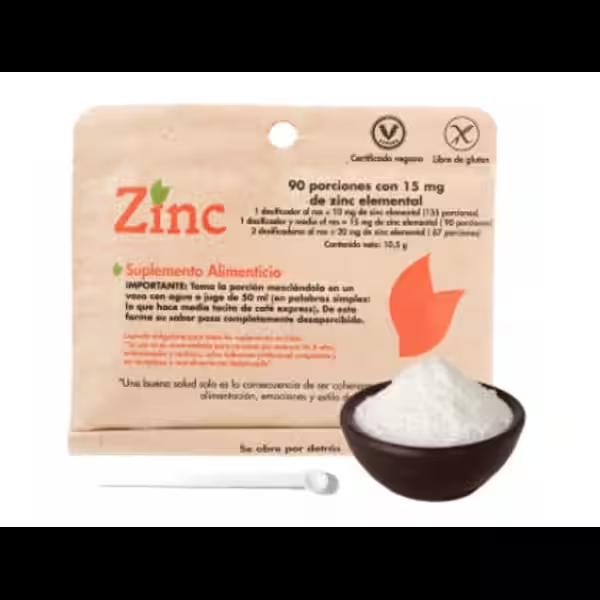
Powdered zinc refers to elemental zinc (Zn), atomic number 30, in a finely divided form. Unlike zinc in its metallic state, powdered zinc offers a higher surface area, making it more reactive and suitable for a wider range of applications. The fineness of the powder can vary, impacting its reactivity and suitability for specific purposes. For example, ultra-fine powdered zinc might be used in specialized chemical reactions, while coarser powder might be more appropriate for certain industrial applications. The purity of the powdered zinc also plays a crucial role; higher purity translates to more predictable and reliable results in any application.
The availability of powdered zinc is quite extensive. It can be easily purchased from various suppliers, both online and in physical stores catering to scientific, industrial, and even some craft supplies. The price varies depending on the purity and quantity of the zinc powder obtained.
Powdered Zinc in Industry and Manufacturing
Powdered zinc finds widespread use in various industrial processes. Its primary application lies in metalworking. It's a key component in galvanization, a process that protects steel from corrosion. The zinc powder is applied to the steel surface, creating a protective layer that prevents rust formation.
Beyond galvanization, powdered zinc plays a vital role in powder metallurgy. This technique involves forming metal parts from powdered metals instead of melting and casting them. Powdered zinc's unique properties allow for precise control over the composition and structure of the resulting parts, making it ideal for creating components with specific mechanical and physical characteristics. Additionally, powdered zinc is used in producing zinc oxide, a compound with countless applications in the cosmetics and pharmaceutical industries.
Powdered Zinc in Other Industries
In addition to the applications mentioned above, powdered zinc finds its place in other sectors:
Paints and coatings: Powdered zinc is added to paints and coatings to enhance their corrosion resistance.
Chemical reactions: Its high reactivity makes it a valuable component in various chemical processes.
Rubber manufacturing: It acts as an activator in rubber vulcanization.
Agriculture: In some specialized applications, powdered zinc serves as a micronutrient for plants.
While industrial applications dominate, powdered zinc also plays a role in personal care products. Most notably, zinc oxide, derived from powdered zinc, is a common ingredient in sunscreen. Zinc oxide acts as a physical sunblock, effectively scattering UV rays and protecting the skin from sun damage. It's often preferred over chemical sunscreens due to its generally gentler nature on sensitive skin. However, it's crucial to remember that the application of powdered zinc directly to skin is not generally recommended without proper formulation and dilution, as it's not a naturally occurring substance meant for direct skin contact.
Powdered zinc, in its pure form, is not typically used directly in personal care products. Instead, it undergoes processing to create compounds like zinc oxide. The focus on ethically sourced and naturally derived ingredients in some brands adds to the appeal of zinc-based products for consumers seeking natural and sustainable options.
Safety Considerations
When handling powdered zinc, it's crucial to prioritize safety. The powder is a mild irritant, and inhalation should be avoided. Appropriate respiratory protection, such as a dust mask, should be used during handling. Always consult the safety data sheet (SDS) for the specific product you're using for detailed safety instructions. Furthermore, ensure adequate ventilation in your workspace to minimize the risk of inhalation.
Choosing the Right Powdered Zinc Product
The quality and purity of powdered zinc vary depending on the supplier and intended application. For industrial uses, high purity is usually paramount. For scientific experiments, the desired purity level will depend on the intended application. When purchasing powdered zinc, carefully consider the supplier's reputation and the product specifications. Look for reputable suppliers that provide detailed information on the purity, particle size distribution, and other relevant properties of their products.
Remember to always follow the manufacturer's safety guidelines when handling powdered zinc, regardless of the application. The use of appropriate safety equipment, such as gloves and eye protection, is essential. While powdered zinc has wide-ranging applications, its handling demands care and attention to safety protocols. The benefits of carefully applying powdered zinc are many, but safety always comes first.
Powdered Zinc: Frequently Asked Questions
Here are some frequently asked questions about powdered zinc. Please note that this information is general and may not apply to all powdered zinc products. Always refer to the specific product's label for detailed instructions and safety information.
What is powdered zinc?
Powdered zinc is elemental zinc (Zn), atomic number 30, in a finely powdered form. It's a silvery-white metal that's used in a variety of applications, including scientific experiments and some industrial processes. The purity and particle size can vary depending on the manufacturer and intended use.
What are the typical uses of powdered zinc?
Powdered zinc's uses depend heavily on its purity and particle size. In a scientific context, it may be used in various experiments to demonstrate chemical reactions or explore its properties. Industrially, it has applications in metallurgy, coatings, and other specialized manufacturing processes. It's not intended for consumption or direct application to the skin without expert guidance.
Is powdered zinc safe?
Powdered zinc, like many chemicals, presents certain safety hazards. Inhalation of zinc dust can be irritating to the lungs. Skin contact may cause irritation. Always handle powdered zinc in a well-ventilated area and wear appropriate personal protective equipment (PPE), such as gloves and eye protection. Consult the Safety Data Sheet (SDS) provided by the manufacturer for detailed safety precautions. Never ingest powdered zinc.
Where can I buy powdered zinc?
Powdered zinc can be purchased from scientific supply companies or specialized chemical suppliers. It's crucial to purchase from reputable sources that provide accurate information on purity and safety. Look for suppliers who provide a Safety Data Sheet (SDS) with their products.
What should I consider when choosing a supplier?
When choosing a supplier of powdered zinc, consider factors like the purity of the zinc, particle size (if relevant to your application), the supplier's reputation, and their customer service. Reputable suppliers will clearly state the product specifications, safety information, and offer assistance if needed. Look for companies that prioritize safe handling instructions and customer support.
Packaging varies depending on the quantity and the supplier. It's frequently packaged in sealed containers to prevent oxidation and contamination. The container will typically be labeled with all necessary safety information and product details.
How should I store powdered zinc?
Powdered zinc should be stored in a cool, dry, and well-ventilated area, away from sources of ignition and incompatible materials. Keep the container tightly sealed to prevent moisture and air exposure, which can affect its properties. Always follow the storage recommendations provided by the manufacturer.
Can I use powdered zinc for skincare or other health applications?
No. While zinc is an essential mineral, powdered zinc is not intended for direct application to the skin or ingestion. Using it for such purposes is dangerous and could lead to serious health consequences. For skincare or health-related applications, use only products specifically formulated and approved for those purposes. Consult with a healthcare professional for advice on zinc supplementation.
What is the difference between powdered zinc and zinc oxide?
Powdered zinc refers to elemental metallic zinc (Zn). Zinc oxide (ZnO) is a different chemical compound of zinc and oxygen. They have distinct properties and uses; zinc oxide is often used in sunscreens and other cosmetic applications, while powdered zinc is primarily used in industrial and scientific contexts.
What should I do if I accidentally ingest or come into contact with powdered zinc?
If you accidentally ingest powdered zinc, immediately seek medical attention. If you come into contact with your skin or eyes, flush the affected area with plenty of water and seek medical advice if irritation persists. Always refer to the provided Safety Data Sheet (SDS) for emergency response instructions.