Creating a Winning Engagement Plan Sample: A Step-by-Step Guide
Creating a Winning Engagement Plan Sample: A Step-by-Step Guide
Are you struggling to keep stakeholders engaged in your project? A well-defined engagement plan is crucial for success, and this guide will walk you through creating one. We'll cover the key steps involved, from identifying stakeholders to tailoring communication strategies and leveraging feedback for continuous improvement. This article will provide a practical engagement plan sample you can adapt to your own needs.
The first crucial step in developing any engagement plan sample is identifying all relevant stakeholders. This involves considering both internal stakeholders (your team members, managers, executives) and external stakeholders (clients, investors, partners, regulatory bodies, and even the end-users of your project). Simply listing names isn't sufficient; you need a deeper understanding of each individual's role and influence.
Creating a stakeholder matrix is invaluable at this stage. For each stakeholder, assess their level of engagement (ranging from leading and supporting to neutral, resistant, or even unaware) and their level of influence on the project (very high, high, medium, low, very low). This assessment will help you prioritize your communication efforts and tailor your approach accordingly. Spend time carefully considering who needs to be involved and how their input will shape the project’s success.
Step 2: Mapping Stakeholders on an Influence/Interest Grid
Once you've assessed your stakeholders, visualize their positions on an influence/interest grid. The horizontal axis represents their level of interest in the project, while the vertical axis represents their level of influence. This creates four quadrants:
High Interest/High Influence (Key Players): These stakeholders require frequent, detailed communication updates. Maintain open channels of communication and involve them actively in decision-making processes.
High Interest/Low Influence (Keep Informed): Keep this group informed of significant developments. While their influence might be limited, their engagement is vital for buy-in and support.
High Influence/Low Interest (Proactive Education): These stakeholders need proactive engagement to understand the project's importance and potential impact on them. Clearly communicate the value proposition and address potential concerns.
Low Interest/Low Influence (Minimal Updates): These stakeholders require infrequent, concise updates. Focus on delivering essential information efficiently, avoiding overwhelming them with details.
This visual representation provides a clear roadmap for your communication strategy.
Step 3: Developing a Tailored Communication Plan
This step involves creating a specific communication plan for each stakeholder group identified in the previous step. Consider the following factors:
Frequency: How often will you communicate with each group? Key players might need daily updates, while others could receive weekly or even monthly summaries.
Channels: Which communication channels are most effective for each group? Some stakeholders might prefer email updates, while others might benefit from regular meetings or participation in project management software like Asana.
Information Type: What level of detail is appropriate for each group? Key players might need access to detailed progress reports and data, while others might require high-level summaries and key milestones.
Remember to leverage the insights gained from the influence/interest grid to ensure your communication is targeted and effective. Centralize project information in a shared location, such as a project management tool, to ensure easy access for all stakeholders. This transparency can dramatically increase engagement.
Step 4: Feedback and Plan Revision – A Dynamic Process
An engagement plan sample is not a static document; it's a living tool that needs to adapt to your project's evolution and stakeholder feedback. Regularly gather feedback from stakeholders and your team through surveys, written feedback forms, regular meetings, or even informal video calls.
This feedback will help you identify areas for improvement in your communication strategy, ensuring your plan remains aligned with the project's progress and stakeholder needs. Don't be afraid to revise your approach based on this input. This iterative process is key to maintaining engagement throughout the project lifecycle.
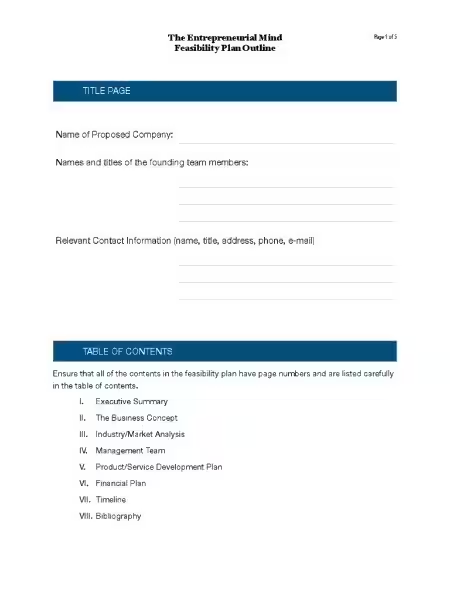
To streamline the process, consider using a template to organize your engagement plan sample. This template should clearly outline the information you need to document for each stakeholder, assisting in the tracking of their engagement levels, communication preferences, and updates provided. Many project management tools offer such templates or allow you to create custom ones. Using a template ensures consistency and a comprehensive approach, minimizing the risk of overlooking important details. Remember, a well-structured template simplifies the overall process and enhances its effectiveness.
Overall Benefits of a Strong Engagement Plan
A well-defined engagement plan offers significant benefits:
Improved Communication: Ensures everyone is informed and engaged appropriately.
Reduced Project Risks: Early identification and mitigation of potential issues.
Stronger Relationships: Builds trust and collaboration among stakeholders.
Better Decision-Making: Incorporates valuable input from a diverse group of individuals.
Increased Project Success: A highly engaged team and stakeholder group work collaboratively to achieve shared goals.
Investing time in creating a robust engagement plan is an investment in the success of your project. By following these steps and using an engagement plan sample as a starting point, you'll be well-equipped to manage stakeholder relationships effectively and achieve your project objectives.
What is a Stakeholder Engagement Plan (SEP)?
A Stakeholder Engagement Plan is a document outlining how you'll manage relationships with everyone involved in a project. This includes identifying stakeholders, assessing their influence and interest, and creating a communication strategy tailored to their needs to ensure project success. It's crucial for managing expectations and minimizing risks.
What are the key steps in creating an SEP?
Creating an effective SEP involves five key steps:
Identify and Assess Stakeholders: List all individuals or groups affected by or influencing the project (internal and external). Assess each stakeholder's level of influence and their current engagement (leading, supporting, neutral, resistant, or unaware).
Map Stakeholders on an Influence/Interest Grid: Visually represent stakeholders based on their level of interest and influence. This helps categorize them into groups requiring different communication approaches.
Develop a Communication Plan: Create a tailored communication plan for each stakeholder group. This considers communication frequency, channels (email, meetings, project management software updates, etc.), and the type of information shared.
Gather Feedback and Revise: Regularly collect feedback from stakeholders and the project team to assess the effectiveness of your plan and make necessary adjustments. This ensures the plan remains relevant throughout the project lifecycle.
Utilize a Template: Using a template, such as the one offered by Asana, can streamline the process and help ensure you capture all necessary information.
A well-defined SEP offers numerous benefits, including:
Improved Communication: Streamlines information flow and ensures stakeholders are appropriately informed and engaged.
Reduced Project Risks: Proactive engagement helps identify and mitigate potential problems early on.
Enhanced Collaboration: Fosters a sense of shared purpose and improves teamwork among stakeholders.
Increased Stakeholder Buy-in: Tailored communication builds trust and increases support for the project.
Better Decision-Making: Incorporates stakeholder input to inform better decisions.
What tools can help create and manage an SEP?
Project management software like Asana can be invaluable in creating, managing, and tracking the effectiveness of your SEP. These tools help centralize project information, facilitate communication, and track stakeholder feedback.
How do I tailor communication to different stakeholder groups?
The Influence/Interest Grid helps determine the appropriate communication strategy for each group. For example, stakeholders with high interest and high influence require frequent, detailed communication, while those with low interest and low influence need less frequent updates. The communication channel should also be chosen strategically based on stakeholder preference and the type of information being shared.
What if my stakeholder engagement changes during the project?
The SEP is a living document. It's crucial to regularly assess stakeholder engagement and adjust your communication strategy as needed. Gathering feedback through surveys, meetings, or informal conversations can help you adapt to changing circumstances and ensure the continued success of your project.