Cleaning Concrete Steps: A Comprehensive Guide to Sparkling Surfaces
Cleaning Concrete Steps: A Comprehensive Guide to Sparkling Surfaces
Cleaning concrete steps, like other concrete surfaces, can seem daunting, but it doesn't have to be! This guide provides a simple, effective method using readily available materials and minimal specialized equipment. Forget expensive power washers and harsh chemicals – we'll show you how to achieve professional-looking results with ease.
Before you even pick up a brush, preparation is key. This initial step makes the rest of the cleaning process significantly easier and more effective. Think of it as setting the stage for a sparkling clean result. Taking the time to properly prep the area will save you time and effort in the long run.
1. Clear the Area
Begin by removing everything from your concrete steps: plants, furniture, toys, debris – anything that could obstruct your cleaning efforts or get damaged. Thoroughly clearing the area will also reveal hidden dirt and allow for a complete and even clean. Take this opportunity to inspect the steps for any significant damage that may require attention before or after cleaning.
2. Sweep Away Loose Debris
Once the area is clear, use a broom (or leaf blower if you have one) to sweep away loose dirt, leaves, dust, and other surface debris. This step is crucial because it prevents these particles from being ground into the concrete during the scrubbing process, making the cleaning solution more effective. A clean sweep prepares the surface for the next stage.
Cleaning Your Concrete Steps: The Solution and Application
Now for the main event! The cleaning solution is surprisingly simple, requiring only a few common household items. This method is gentle enough for regular maintenance yet powerful enough to tackle even stubborn dirt.
3. Mix Your Cleaning Solution
In a bucket, mix a small amount of OxiClean (or a similar oxygen bleach) with warm water. The exact ratio isn't critical; a few tablespoons of OxiClean per gallon of water should suffice. Warm water works best, but cold tap water will also do the job. You'll appreciate the pleasant, clean scent OxiClean provides, a welcome change from harsh chemical cleaners.
Apply the cleaning solution to small sections of your concrete steps at a time. Avoid covering the entire surface at once to prevent the solution from drying too quickly on the porous concrete. Using a stiff-bristled brush, scrub vigorously to loosen and remove dirt and stains. Work in small, overlapping circular motions to prevent streaks and ensure even cleaning. This is where the elbow grease comes in, but the results are worth the effort!
Rinsing and Addressing Persistent Stains
After scrubbing, it's time to remove the cleaning solution and admire your progress. Proper rinsing is crucial for preventing residue and ensuring a truly clean finish.
5. Rinse Thoroughly
Thoroughly rinse the cleaned sections of your concrete steps with water from a hose. Use the jet setting on your hose for more effective rinsing, or manually direct the stream of water for more control. Be mindful of where the runoff water goes—avoid directing it towards gardens or other sensitive areas. You can even use a broom to help guide the water flow and prevent pooling.
6. Tackle Stubborn Stains (If Necessary)
Even with diligent scrubbing, some stains may persist. Don't worry! Here's how to tackle some common culprits:
General Stains: For tough stains, try scrubbing with laundry detergent or a thick paste of OxiClean (think peanut butter consistency). Let the paste sit for 1-2 hours before rinsing.
Oil Stains: Absorb fresh or old oil stains with cat litter or cornstarch. Let it sit for 24 hours before scrubbing with a degreaser or dish soap.
Rust Stains: Apply a paste of lemon juice and salt for 15 minutes before scrubbing. For stubborn rust stains, consider using an oxalic acid-based cleaner (wear gloves!).
During the cleaning process, you might encounter some common concrete issues. Here’s how to handle them:
White Powdery Residue (Efflorescence)
This white, powdery residue is a common sight on concrete and is easily addressed. Simply apply a solution of equal parts white vinegar and water, scrub gently, and rinse thoroughly. To prevent future efflorescence, consider sealing your concrete steps after cleaning.
Streaks and Discoloration
Streaks and discoloration can be avoided by working in small, overlapping circular motions while scrubbing and rinsing. Ensure that you are rinsing thoroughly and evenly to avoid leaving any residue behind.
Cleaning Concrete Steps: Alternatives and Finishing Touches
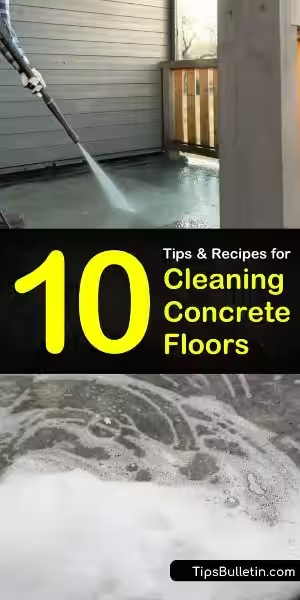
This method avoids the need for a pressure washer, offering a more environmentally friendly and manageable approach. The cleaning process is equally effective on various concrete surfaces, including driveways, patios, and, of course, cleaning concrete steps.
Sealing Your Concrete Steps (Optional)
While not mandatory, sealing your concrete steps after cleaning is highly recommended. A sealant protects against future stains, moisture damage, and weathering, extending the life of your concrete and maintaining its appearance. Resealing is typically needed only every 2-3 years. This final step ensures your hard work lasts!
Cleaning Concrete Steps: FAQ
How do I clean my concrete steps?
Cleaning concrete steps follows the same process as cleaning other concrete surfaces. Start by clearing the area of debris, sweeping loose dirt, and then applying a cleaning solution of water and OxiClean (or similar oxygen bleach). Scrub vigorously with a stiff brush, rinse thoroughly with a hose, and address any persistent stains as needed.
What cleaning solution should I use for concrete steps?
A mixture of warm (or cold) water and OxiClean is effective and readily available. A small amount of OxiClean in a bucket of water is sufficient. The solution provides a pleasant scent and effectively cleans most dirt and grime.
How do I remove stubborn stains from my concrete steps?
For general stains, scrubbing with laundry detergent or a thick OxiClean paste (left for 1-2 hours) works well. Oil stains should be absorbed with cat litter or cornstarch (left for 24 hours) before scrubbing with degreaser or dish soap. Rust stains can be treated with a lemon juice and salt paste (15 minutes), or for stubborn rust, an oxalic acid-based cleaner (use with caution and gloves).
What about white powdery residue (efflorescence) on my steps?
Efflorescence is a salt deposit. Treat it with a solution of equal parts white vinegar and water, gently scrubbing the area. To prevent future efflorescence, consider sealing your concrete steps.
How do I prevent streaks and discoloration on my concrete steps?
Work in small, overlapping circular motions when scrubbing and rinsing to avoid streaks and uneven discoloration. Ensure thorough rinsing to remove all cleaning solution residue.
Do I need a pressure washer to clean my concrete steps?
No, a pressure washer is not necessary. The jet setting on a garden hose, or carefully directing the water spray manually, provides sufficient rinsing pressure.
Should I seal my concrete steps after cleaning?
Sealing isn't mandatory but is recommended. It adds protection against future stains and dirt. Resealing is typically needed only every 2-3 years.
What tools do I need to clean my concrete steps?
You'll need a broom, a stiff brush, a bucket, a hose, and cleaning solutions (OxiClean, laundry detergent, etc., depending on the stains). Optional tools include cat litter or cornstarch for oil stains, and gloves for oxalic acid cleaner.
How long does the cleaning process take?
The time required depends on the size of your steps and the extent of soiling. Allow sufficient time for soaking and rinsing, particularly for stubborn stains.
What if I have particularly dirty or stained steps?
For heavily soiled steps, you may need to repeat the cleaning process, focusing on stubborn stains with the appropriate stain removal techniques. Consider using a stronger concentration of OxiClean or applying pastes for longer durations.