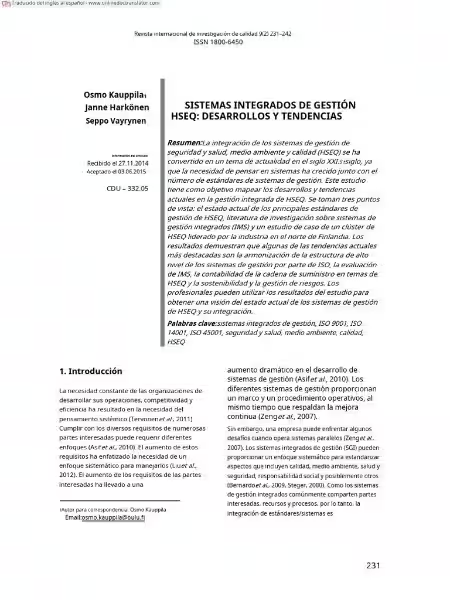
Understanding and implementing effective QHSE management systems is crucial for any organization striving for operational excellence and sustainable growth. This article will delve into the core components and benefits of a comprehensive QHSE system, demonstrating its value beyond mere compliance.
A QHSE (Quality, Health, Safety, and Environment) management system is a structured framework designed to proactively manage and improve an organization's performance across four key interconnected areas: Quality, Health, Safety, and Environment. It's not a static set of rules, but rather a dynamic process that constantly adapts to the evolving needs of the organization and its operating environment. The system's fundamental goal is to minimize risks, maximize efficiency, and ultimately enhance profitability while fostering a culture of responsibility and continuous improvement.
The integration of these four elements is crucial. A strong safety culture, for example, directly impacts quality by reducing errors caused by rushed or unsafe work practices. Similarly, environmental responsibility often leads to cost savings through reduced waste and efficient resource management. This interconnectedness underlines the value of a unified QHSE management system, rather than separate, siloed approaches.
Key Components of a Robust QHSE System
Several core components underpin a successful QHSE management system. These components work in synergy to achieve the overall objectives of the system. Let's examine some of the most critical aspects:
Policy and Objectives
A clearly defined QHSE policy forms the foundation of the entire system. It outlines the organization's commitment to maintaining high standards across all four areas. This policy needs to be supported by specific, measurable, achievable, relevant, and time-bound (SMART) objectives. These objectives provide concrete targets against which progress can be measured and adjustments made.
Without a clear policy and defined objectives, the QHSE system lacks direction and consistency. The policy should be readily accessible to all employees and should clearly articulate the organization's values and expectations regarding QHSE performance.
Risk Assessment and Management
Proactive risk assessment and management are vital. This involves systematically identifying potential hazards and risks related to quality, health, safety, and environmental impact. The process typically involves hazard identification, risk analysis (e.g., likelihood and severity), and the implementation of control measures to mitigate identified risks. This could range from simple procedural changes to implementing more sophisticated engineering controls.
Regular reviews and updates of the risk assessment are crucial, as risks can evolve over time due to changes in operations, technology, or regulatory requirements. A robust system includes mechanisms to update the risk assessment when necessary and to communicate any changes to relevant personnel.
Legal and Regulatory Compliance
Maintaining compliance with all applicable laws, regulations, and standards is paramount. This demands a thorough understanding of the relevant legislation and a system for monitoring compliance. Regular audits and inspections should be conducted to identify any gaps in compliance and to ensure the organization remains compliant.
Failure to comply can result in serious consequences, including penalties, legal action, and damage to the organization's reputation. A proactive approach to compliance, facilitated by the QHSE system, helps mitigate these risks.
Performance Measurement and Monitoring
Key Performance Indicators (KPIs) are essential for tracking progress towards objectives and identifying areas for improvement. These KPIs should be aligned with the organization's overall QHSE policy and objectives. Regular monitoring and analysis of data are crucial to ensure the system is effective and identify any trends or patterns that indicate potential problems.
Effective use of KPIs also allows for objective demonstration of the system's success. This data can be used to justify investments in the system, showcase improvements to stakeholders, and identify areas for further optimization.
Training and Competence
Investing in employee training and development is vital for a successful QHSE management system. Employees need the necessary knowledge and skills to perform their tasks safely and effectively while contributing to QHSE goals. Training should be tailored to specific roles and responsibilities and should be regularly updated to reflect changes in legislation, best practices, and organizational procedures.
A well-trained workforce is more likely to identify and report hazards, follow safety procedures, and contribute to a positive QHSE culture. Ongoing training also demonstrates the organization's commitment to the well-being of its employees and the environment.
Internal Audits and Management Reviews
Regular internal audits provide an objective assessment of the effectiveness of the QHSE management system. These audits should be conducted by qualified personnel and should cover all aspects of the system. Management reviews are high-level assessments that ensure alignment with strategic goals and address any identified deficiencies.
The findings of internal audits and management reviews should be used to inform improvements to the system and to demonstrate continuous improvement. This feedback loop is critical for maintaining the system's effectiveness.
Continuous improvement is a core principle of any effective QHSE management system. The system should not be considered a static entity; it should constantly evolve to address new challenges and leverage improvements. This involves regularly reviewing processes and procedures, identifying areas for optimization, and implementing changes to enhance performance.
This iterative process ensures the system remains relevant and effective over time. By continuously striving for improvement, the organization can minimize risks, enhance efficiency, and achieve its QHSE objectives.
The Value of Implementing a QHSE Management System
The benefits of a well-implemented QHSE management system extend far beyond compliance. These systems deliver tangible improvements across multiple areas, leading to significant cost savings and improved business performance. Implementing such systems can lead to:
Reduced Accidents and Incidents: Directly impacting insurance premiums, lost time, and employee morale.
Improved Efficiency and Productivity: Streamlined workflows translate to better efficiency and productivity.
Enhanced Reputation and Brand Image: Demonstrating a commitment to QHSE enhances brand reputation attracting customers and investors.
Reduced Waste and Environmental Impact: Environmentally friendly practices lead to cost savings through reduced waste.
Improved Compliance and Reduced Penalties: Proactive compliance mitigates the risk of costly fines and penalties.
In conclusion, a robust QHSE management system is a strategic investment that yields significant returns. While initial implementation requires time and resources, the long-term benefits – in terms of reduced risks, improved efficiency, enhanced reputation, and ultimately, increased profitability – far outweigh the costs. Discover your potential savings with our ROI Calculator!
Frequently Asked Questions about HSEQ Management Systems
What is an HSEQ Management System?
An HSEQ (Health, Safety, Environment, and Quality) Management System is a structured framework designed to proactively manage and improve an organization's performance in four key areas: Health, Safety, Environment, and Quality. It integrates these elements into a cohesive whole, aiming for synergistic benefits and improved overall efficiency. The system's primary goal is to minimize risks, enhance operational efficiency, and ultimately, improve the bottom line. It's not a one-size-fits-all solution but is tailored to the specific needs of each organization.
What are the key components of an HSEQ Management System?
A robust HSEQ Management System typically includes:
Policy and Objectives: A clearly defined policy outlining the organization's commitment to HSEQ, supported by SMART (Specific, Measurable, Achievable, Relevant, Time-bound) objectives.
Risk Assessment and Management: A systematic process for identifying, analyzing, and controlling potential hazards and risks related to health, safety, the environment, and quality. This includes preventative measures and emergency response plans.
Legal and Regulatory Compliance: Ensuring adherence to all relevant laws, regulations, and standards. This involves regular audits and inspections.
Performance Measurement and Monitoring: Tracking progress towards objectives using Key Performance Indicators (KPIs) to identify areas for improvement. Data collection and analysis are crucial.
Training and Competence: Providing employees with the necessary knowledge and skills to contribute to HSEQ goals.
Internal Audits and Management Reviews: Regular internal audits assess system effectiveness, while management reviews ensure alignment with strategic goals.
Continuous Improvement: A commitment to ongoing review, optimization, and improvement of processes and procedures.
Cost Savings: The cumulative effect of the above points results in significant cost savings.
How much does implementing an HSEQ Management System cost?
The cost of implementing an HSEQ Management System varies greatly depending on the size and complexity of the organization, the existing systems in place, and the level of customization required. Factors such as software costs, training, consulting fees, and internal resource allocation all contribute to the overall expense. However, the potential return on investment (ROI), often substantial due to reduced risks and improved efficiency, should be carefully considered.
How do I get started with implementing an HSEQ Management System?
Implementing an HSEQ Management System is a phased process. It begins with a thorough assessment of the organization's current HSEQ performance, identifying existing strengths and weaknesses. This informs the development of a tailored HSEQ policy and objectives, followed by the implementation of processes and procedures to achieve those objectives. Ongoing monitoring, review, and continuous improvement are vital for long-term success. Seeking expert guidance from consultants experienced in HSEQ implementation can be beneficial, particularly for organizations lacking internal expertise.