Streamlining On-the-Job Training: Your Guide to the Perfect OJT Training Template
Streamlining On-the-Job Training: Your Guide to the Perfect OJT Training Template
Finding the right approach to on-the-job training (OJT) can feel overwhelming. Effective OJT isn't just about showing someone how to do a task; it's about fostering skills, building confidence, and ensuring consistent quality. This article will guide you through creating a robust OJT training template, enabling you to deliver structured, efficient, and impactful training programs within your organization. We'll explore key components, best practices, and provide examples to help you get started.
Before diving into template creation, it's crucial to understand your specific training requirements. What skills gaps need addressing? What are the key performance indicators (KPIs) you'll use to measure the success of your OJT program? Identifying these aspects will guide the development of your OJT training template and ensure it aligns with your organization's goals.
Consider the specific roles and tasks that require OJT. Are you training new hires, upskilling existing employees, or onboarding contractors? Analyzing these factors will help you structure the content and length of your training program effectively. A thorough needs analysis will provide a solid foundation for a successful OJT experience.
Structuring Your OJT Training Template: Key Components
A well-structured OJT training template should contain several critical components to ensure a comprehensive and effective training experience. These elements work together to provide a clear framework, enabling both trainers and trainees to track progress and identify areas for improvement.
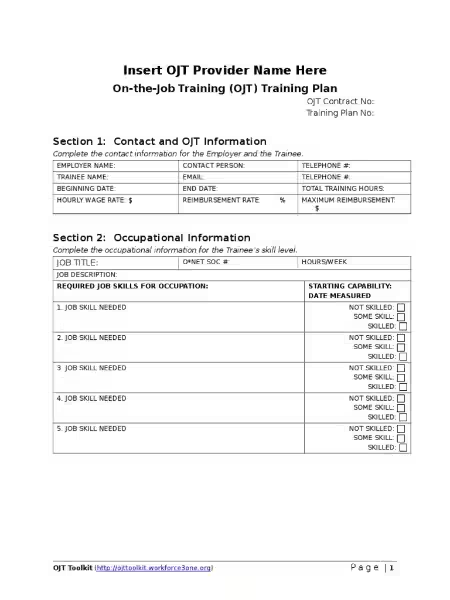
A typical OJT training template might include sections for:
Trainee Information: Name, role, department, start date, and contact information.
Training Objectives: Clearly defined, measurable, achievable, relevant, and time-bound (SMART) goals.
Training Schedule: A detailed plan outlining training duration, specific tasks, and assessment milestones.
Training Materials: List of resources, including manuals, presentations, videos, or online modules.
Trainer Information: Name, contact details, and expertise relevant to the training.
Training Assessment: Methods for evaluating trainee performance, such as observation checklists, quizzes, or practical exercises.
Performance Evaluation: A standardized method to assess the trainee’s performance post-training, measuring the attainment of training objectives.
Feedback Mechanism: A system for regular feedback between the trainer and trainee to address challenges and reinforce learning.
Designing Effective Training Modules Within Your OJT Training Template
Your OJT training template should be modular, allowing for flexibility and adaptability. Each module should focus on a specific skill or task, broken down into manageable steps. This approach allows for more focused learning and easier tracking of progress.
When designing modules, consider using a variety of teaching methods to cater to different learning styles. This might include demonstrations, hands-on practice, role-playing, and case studies. Remember to incorporate regular breaks and opportunities for questions to maintain engagement and understanding.
Utilizing an OJT Training Template: A Step-by-Step Guide
Once you've developed your OJT training template, utilizing it is straightforward. Here's a step-by-step guide:
Pre-Training Preparation: Review the template thoroughly, ensuring all sections are complete and relevant. Gather all necessary training materials and equipment.
Training Delivery: Follow the schedule outlined in the template, delivering training modules in a structured and engaging manner. Encourage active participation and provide regular feedback.
Performance Monitoring: Use the assessment methods outlined in the template to monitor trainee progress throughout the training. Provide constructive feedback and address any challenges promptly.
Post-Training Evaluation: Once the training is complete, use the post-training evaluation section of your template to assess the overall effectiveness of the program. Gather feedback from both the trainer and trainee.
Continuous Improvement: Regularly review and update your OJT training template based on feedback and evolving organizational needs. This ensures the template remains relevant and effective.
The Importance of Documentation in Your OJT Training Template
Thorough documentation is vital for maintaining consistency and accountability in your OJT program. Your OJT training template itself serves as a crucial document. However, you should also maintain detailed records of each trainee's progress, including attendance, performance assessments, and feedback.
This documentation will be valuable for several reasons: It provides evidence of successful training, facilitates performance reviews, and supports continuous improvement efforts. A well-documented OJT program demonstrates a commitment to employee development and enhances the overall effectiveness of your organization.
Adapting Your OJT Training Template for Different Roles and Needs
A flexible OJT training template can be adapted to suit various roles and training needs. While the core components remain consistent, the specific content and assessment methods will vary depending on the task or position.
For example, training a new sales representative will require different modules and assessments than training a software developer. By adapting your template, you can ensure the training remains relevant and effective for each unique scenario. This customization ensures that your OJT program is targeted and efficient.
Choosing the Right OJT Training Template Software
While a simple spreadsheet can work for basic OJT programs, dedicated software can significantly improve efficiency and organization. Many platforms offer features like automated scheduling, progress tracking, assessment tools, and reporting capabilities.
Selecting the right software depends on your organization's size, budget, and specific needs. Research available options to find a platform that best fits your requirements.
Conclusion: Empowering Your Workforce Through Effective OJT
Investing in a well-designed OJT training template is a crucial step in empowering your workforce and improving organizational performance. By following the guidelines outlined in this article, you can create a structured, effective, and adaptable OJT program that leads to increased employee competency, improved productivity, and a more successful organization. Remember, a strong OJT training template isn't just a document; it's a roadmap for developing your most valuable asset – your people.
OJT Training Template FAQ
This FAQ section addresses common questions about creating and using an On-the-Job Training (OJT) template. Since no specific template content was provided, these answers offer general guidance applicable to most OJT scenarios.
What is an OJT Training Template?
An OJT training template is a pre-designed document or framework that streamlines the process of creating and delivering on-the-job training programs. It provides a standardized structure for outlining training objectives, tasks, assessments, and other crucial elements, ensuring consistency and effectiveness across different trainees and training scenarios. Think of it as a blueprint for your OJT program.
Why Use an OJT Training Template?
Using a template offers several advantages: it saves time and effort in creating individual training plans, ensures consistency in training delivery, facilitates better tracking and evaluation of trainee progress, improves overall training quality, and promotes a standardized approach across the organization. It also makes it easier to adapt and reuse the template for future training needs.
What Key Elements Should My OJT Training Template Include?
A comprehensive OJT template should include:
Trainee Information: Name, role, start date, etc.
Training Objectives: Clearly defined, measurable goals for the trainee.
Training Schedule: A timeline outlining the duration and specific dates of training.
Training Tasks: A step-by-step breakdown of the tasks the trainee will perform.
Performance Expectations: Specific criteria for successful completion of tasks and objectives.
Assessment Methods: How trainee progress and performance will be evaluated (e.g., observation, tests, projects).
Resources: List of materials, tools, or equipment needed for training.
Trainer Information: Contact details and responsibilities of the trainer.
Feedback Mechanisms: Regular feedback sessions between trainer and trainee.
Completion Documentation: A section to record the completion of training and assessment results.
How Can I Adapt a Generic OJT Template to My Specific Needs?
A generic template needs customization to fit your organization's specific training requirements. Consider the following:
Company Policies: Integrate relevant company policies and procedures into the template.
Job-Specific Tasks: Tailor the training tasks to the specific job role.
Company-Specific Terminology: Use consistent terminology throughout the template.
Assessment Methods: Choose appropriate assessment methods that accurately measure the trainee's skills and knowledge.
Legal Compliance: Ensure compliance with all relevant legal and regulatory requirements.
Where Can I Find OJT Training Templates?
Numerous online resources offer downloadable OJT training templates. Search for "OJT training template" on relevant websites or utilize template creation software. Remember to always adapt these templates to meet your specific needs and legal requirements. You can also create your own template based on your organization's unique requirements.
What if My Trainee Needs Additional Support or Has Questions During OJT?
The training template should include clear communication channels and a process for addressing trainee questions or concerns. Regular feedback sessions and open communication between the trainee and trainer are crucial. The template should specify how and when additional support will be provided.