Crafting the Perfect Facilitator Guide Format: A Comprehensive Guide
Crafting the Perfect Facilitator Guide Format: A Comprehensive Guide
Many struggle with creating effective Instructor-Led Training (ILT) sessions. It's not just about the content; it's about the delivery. This article explores how a well-structured facilitator guide is the key to consistent, engaging training, regardless of the facilitator's experience. We’ll explore the essential components and best practices for developing a facilitator guide format that empowers your trainers and enhances the learning experience.
A facilitator guide is more than just a script; it's a comprehensive resource that empowers your trainers to deliver effective and engaging sessions. It serves as a roadmap, detailing the training's goals, content, and delivery methods. Think of it as a tool that bridges the gap between the training content and its successful implementation.
This detailed document goes beyond simply listing topics; it provides context, tools, and strategies for engaging learners. It empowers facilitators to adapt and improvise while maintaining the core objectives of the training program. The facilitator guide format should be created after the training content is finalized to ensure perfect alignment between objectives and materials.
Key Components of an Effective Facilitator Guide Format
Creating a truly effective facilitator guide requires careful consideration of several key elements. These elements work in tandem to ensure a smooth and engaging training experience for both the facilitator and the participants.
Clearly Defined Training Goals and Objectives
Start with the end in mind. Clearly articulate the specific knowledge, skills, and behaviors participants should acquire after completing the training. These goals and objectives will guide the entire content creation and facilitator guide development process. These should be measurable and observable, allowing for easy assessment of training effectiveness.
This section should also clarify how the training session contributes to broader organizational goals and the learner's overall development. This context helps both the facilitator and the participants understand the training's larger purpose and relevance.
Comprehensive Table of Contents and Contextual Overview
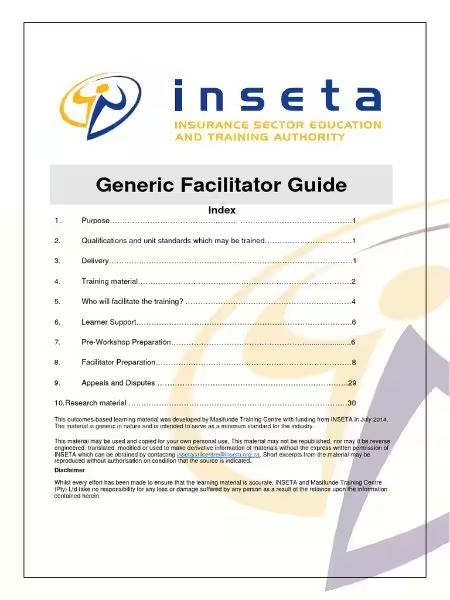
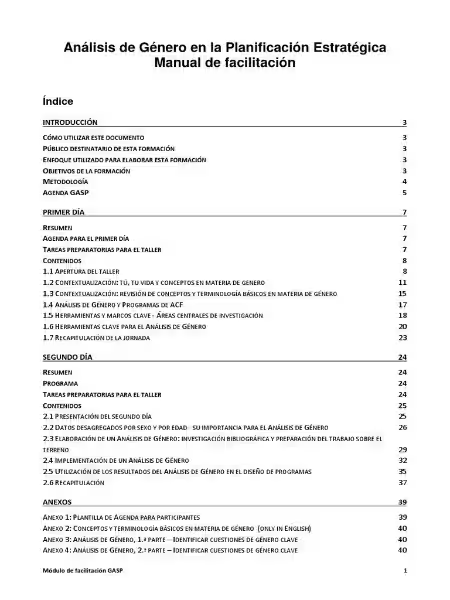
A well-organized table of contents is essential for easy navigation. It allows facilitators to quickly locate specific sections and ensures a smooth flow during the session. An overview that positions the training within a broader learning curriculum is equally crucial. This contextualization helps avoid redundancy and clarifies learner prerequisites, setting a suitable foundation for the training content.
This section serves as a quick-reference guide for both new and experienced facilitators. It provides a clear and concise outline of the entire session, making it easy for the facilitator to manage the session's flow and timing.
Detailed Schedule with Timing Guidelines
A detailed schedule with realistic timing guidelines is crucial for effective pacing. This prevents time overruns and keeps the session on track. Each section should have a clear description of its purpose, preventing confusion and ensuring that the facilitator understands the rationale behind each activity.
Detailed timing helps to ensure that the session doesn't drag or rush through important content. It also provides a visual roadmap for the facilitator to manage the session effectively, ensuring a balanced and well-paced learning experience.
Sample Talking Points and Discussion Questions
Provide guidance, especially for new facilitators. However, emphasize that these are suggestions, not scripts. Encourage natural interaction and allow for flexibility based on participant engagement and questions.
These talking points and discussion questions should encourage active participation and critical thinking. They should be designed to foster a dialogue between the facilitator and participants, making the session more interactive and engaging.
Supplemental Resources
Include links to relevant articles, videos, or other materials to enhance learning and provide further information. This allows participants to delve deeper into specific topics that interest them and ensures accessibility to further information.
These supplementary materials can serve as valuable assets for participants to refer to after the training session, reinforcing the learning experience. They also demonstrate the facilitator's commitment to providing comprehensive and high-quality training.
Preparing the Facilitator: A Crucial Step
Creating a great facilitator guide is only half the battle. Thorough facilitator preparation is equally vital. This preparation should involve several key aspects.
Pre-Session Training and Collaboration
Consider "train-the-trainer" sessions to equip facilitators with the necessary skills and knowledge. Collaboration with experienced facilitators can provide valuable insights and best practices, ensuring that the training is delivered effectively.
Involving the facilitator in the guide's development process is crucial for ensuring relevance and practicality. Their input ensures the guide addresses their specific needs and concerns, leading to a more effective and efficient training experience.
Practice Sessions and Feedback
Practice sessions are essential for refining both the facilitator's skills and the guide itself. Feedback from external observers can provide valuable insights and identify areas for improvement. This iterative process ensures that the guide is constantly refined and improved.
Practice sessions allow facilitators to gain confidence and become more comfortable with the training materials and delivery methods. This familiarity helps them to connect with the participants more effectively and provide a more engaging learning experience.
Creating a Reusable Facilitator Guide Template
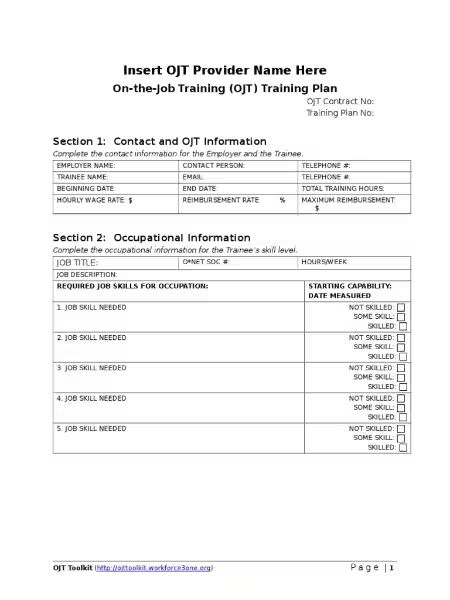
Develop a user-friendly, visually appealing template for your facilitator guide. Color-coding and clear headings will improve readability and usability. Make it easily editable to accommodate different training contexts and updates.
This template should incorporate all the key components discussed earlier. It should be easily adaptable and provide a consistent framework for all your training sessions, ensuring uniformity and facilitating easier updates and revisions.
Gathering Feedback and Continuous Improvement
After each training session, gather feedback from both facilitators and participants. This feedback is invaluable for refining the facilitator guide and improving future training sessions. This iterative process ensures that the guide is constantly evolving and improving, leading to increasingly effective training outcomes.
Continuously refining the facilitator guide and training process based on feedback ensures that the training remains relevant, engaging, and effective.
The Importance of Leadership Qualities in Facilitators
While subject matter expertise is helpful, strong leadership qualities, including empathy and adaptability, are paramount. Select facilitators who can effectively engage participants, manage discussions, and adapt to different learning styles. Empathy and the ability to build rapport are essential for creating a positive and productive learning environment.
The facilitator guide, while important, is only as effective as the facilitator using it. The right facilitator can transform a good guide into an exceptional training experience. Therefore, selecting the right facilitators is crucial for maximizing the effectiveness of the training. This should be considered as one of the most crucial components of successful ILT. This also ensures the sustainability of the facilitator guide format.
Facilitator Guide Format FAQ
Here are some frequently asked questions about creating effective facilitator guides for Instructor-Led Training (ILT):
What is a facilitator guide, and why is it important?
A facilitator guide is a comprehensive resource that provides everything a trainer needs to successfully conduct an ILT session. It's crucial because it ensures consistent, engaging training, regardless of the facilitator's experience level. It bridges the gap between training content and successful delivery, empowering facilitators with the confidence and resources to lead productive sessions. It's not a script, but a tool for effective facilitation.
A well-structured facilitator guide includes: clearly defined training goals and objectives; a comprehensive table of contents; a contextual overview placing the training within a broader curriculum; a detailed schedule with timing guidelines and descriptions for each section; sample talking points and discussion questions (presented as suggestions, not scripts); supplemental resources (articles, videos, etc.); and a facilitator preparation checklist.
When should I create the facilitator guide?
The facilitator guide should be created after the training content is finalized. This ensures complete alignment between the training objectives and the materials provided to the facilitator.
How can I ensure my facilitator guide is effective?
Effectiveness stems from clarity, organization, and practicality. Use a user-friendly, visually appealing format (color-coding, clear headings). Involve facilitators in the development process to ensure relevance. Gather feedback after each training session to continuously improve the guide and template. A reusable template is highly recommended.
What are the key qualities of a successful facilitator?
While subject matter expertise is helpful, strong interpersonal skills are paramount. Successful facilitators possess excellent communication and active listening skills, the ability to break down complex information, and the comfort of addressing groups. Empathy and adaptability are also crucial qualities.
How can I prepare my facilitators to use the guide effectively?
Pre-session training, potentially including "train-the-trainer" sessions, is vital. Collaboration with experienced facilitators and practice sessions with external observer feedback are also highly recommended to refine both facilitator skills and the guide itself.
What is the role of a facilitator guide template?
A reusable template ensures consistency across multiple training sessions and simplifies the creation process. It should be user-friendly, easily editable, and visually appealing.
How can I improve my facilitator guide over time?
Regularly gather feedback from facilitators and participants after each training session. Use this feedback to refine the guide's content, structure, and overall effectiveness. Continuous improvement is key to creating increasingly effective facilitator guides.
Should the facilitator guide include a detailed agenda?
Yes, a clear agenda with timings is essential. It helps manage expectations for both the facilitator and participants, ensuring smooth scheduling and pacing.
What is the importance of a contextual overview within the guide?
A contextual overview helps position the training within a broader learning curriculum, preventing redundancy and clarifying any prerequisite knowledge learners should possess. This ensures a cohesive learning experience.