The Ultimate Facilitator Guide: Your Key to Successful Instructor-Led Training
The Ultimate Facilitator Guide: Your Key to Successful Instructor-Led Training
Are you ready to deliver engaging and effective instructor-led training (ILT)? A well-crafted facilitator guide is the cornerstone of successful training sessions, regardless of your experience level. This article provides a comprehensive guide to creating and utilizing facilitator guides that empower you to deliver exceptional training experiences.
Understanding the Facilitator Guide: More Than Just a Script
A facilitator guide is far more than a simple script. It's a comprehensive resource that provides everything you need to conduct a training session effectively. It allows for improvisation and adaptation to meet the specific needs of your learners while keeping you on track with the learning objectives. Think of it as your trusted companion, guiding you through the entire training process.
This guide is different from a simple presentation script. It should be created after the training content is finalized, ensuring a perfect alignment between the training materials and the facilitator’s instructions. This pre-planning is crucial for a smooth and effective training session. The goal is a resource that is both detailed and concise, allowing your personality and expertise to shine through while ensuring consistency in delivery.
Essential Components of an Effective Facilitator Guide
A well-structured facilitator guide includes several key components to ensure clarity and efficiency:
Clear Training Goals and Objectives
This section should explicitly state what participants should know, understand, or be able to do by the end of the training. Clearly defined goals and objectives provide a roadmap for the entire session and ensure that everyone is working towards the same outcomes. They serve as a benchmark for evaluating the success of the training.
This clarity benefits both the facilitator and the participants. The facilitator has a clear understanding of the expected outcome, while the participants know what to expect and can focus their learning efforts accordingly.
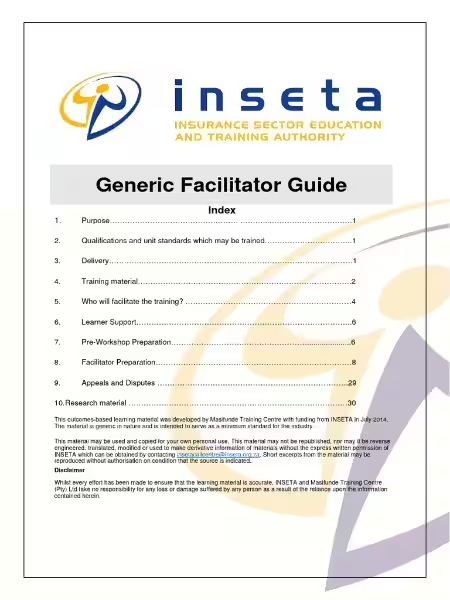
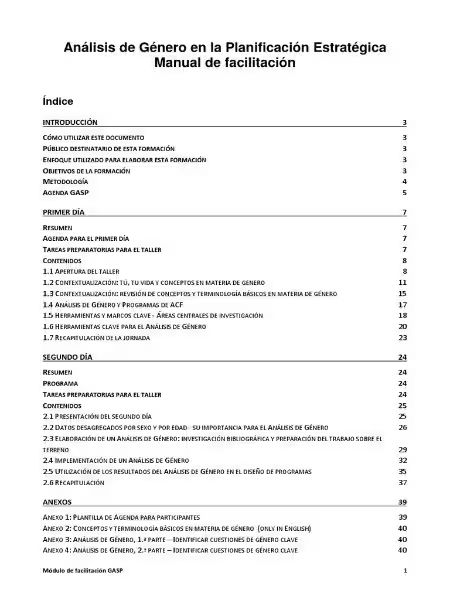
Table of Contents and Curriculum Overview
A detailed table of contents is essential for easy navigation. The curriculum overview provides context, linking the current training to the broader learning framework. This prevents redundancy and ensures that participants have the necessary background information. This overview contextualizes the training within a larger picture, making it more meaningful for learners.
The table of contents acts as a quick reference guide allowing the facilitator to effortlessly locate specific sections. The curriculum overview enhances the learning experience by providing a holistic view of the training's place within a larger learning journey.
Timing Guidelines and Section Descriptions
This section outlines the allocated time for each segment of the training, including discussions, activities, and presentations. Descriptions of each section clarify their purpose and objectives. This detailed breakdown helps maintain pacing and ensures a structured flow to the session.
Accurate timing guidelines are critical for staying on schedule and preventing the training from running over or under time. Clear section descriptions ensure that the facilitator understands the purpose and goal of each segment, leading to a more focused and effective delivery.
Sample Talking Points and Discussion Questions
This section offers suggestions, not scripts, for facilitating discussions and activities. It provides a framework for engagement, allowing the facilitator to adapt their approach based on participant interaction and responses. It should empower the facilitator, not restrict them.
The purpose is to guide and inspire, not to dictate. The suggestions should be flexible enough to adapt to the specific needs of each group of participants.
Supplemental Resources
Include links to supporting materials, videos, and articles that enhance the learning experience. These resources provide additional depth and context, allowing participants to explore topics further. This section enhances the overall learning experience by offering access to supplemental information.
These resources should be carefully curated to ensure they are relevant and add value to the training. Easily accessible materials make the learning process more efficient and effective.
Preparing the Facilitator: Pre-Session Training and Collaboration
Effective facilitator guides are only part of the equation. Thorough preparation is critical. This includes:
Pre-session training: Familiarize facilitators with the guide's structure and content.
Train-the-trainer sessions: Provide hands-on practice and feedback. This is especially crucial for new facilitators.
Collaboration during guide development: Involving experienced facilitators in the creation process ensures a practical and effective guide.
Practice sessions: Pairing novice facilitators with experienced ones for practice sessions with feedback incorporated into the guide is highly recommended.
While subject matter expertise is paramount, effective facilitation goes beyond simply knowing the content. Key qualities include:
Empathy: Understanding and responding to participant needs.
Patience: Allowing time for questions and addressing diverse learning styles.
Adaptability: Adjusting the training based on participant engagement and feedback.
Accommodating diverse needs and abilities: Catering to different learning styles and levels of prior knowledge.
These soft skills are as crucial as the technical knowledge. Technical questions can always be referred to other experts within the organization, but empathetic and adaptable facilitation is irreplaceable.
Iterative Refinement: The Key to a Powerful Facilitator Guide
Finally, remember that the facilitator guide is a living document. Gather feedback from facilitators after each session to identify areas for improvement. This iterative process ensures that the guide evolves into an increasingly effective tool. Creating an easily readable template utilizing visual aids like color-coding and clear headings greatly enhances usability.
The iterative process of refinement ensures the guide remains relevant, effective, and valuable for future training sessions. This continuous improvement process optimizes the training experience for both the facilitator and the participants. A well-maintained facilitator guide becomes an invaluable asset for any organization conducting ILT.
What is a Facilitator Guide?
A facilitator guide is a comprehensive resource providing trainers with all the information needed to conduct a successful instructor-led training (ILT) session. It's not a script, but a flexible tool allowing trainers to adapt and engage participants while staying on track and achieving learning objectives.
Why is a Facilitator Guide Important?
A well-structured facilitator guide ensures consistent delivery of training, regardless of the facilitator's experience level. It empowers facilitators, minimizes improvisation, and helps achieve training goals reliably.
When Should I Create a Facilitator Guide?
Create the facilitator guide after finalizing the training content. This ensures alignment with learning objectives and the training schedule.
What are the Key Components of an Effective Facilitator Guide?
Clear Training Goals and Objectives: Specifically stating what participants should know, understand, or be able to do after the training.
Table of Contents: For easy navigation.
Curriculum Overview: Contextualizing the training within a broader learning framework.
Timing Guidelines and Section Descriptions: Maintaining pacing and clarity on each segment's purpose.
Sample Talking Points and Discussion Questions: Suggestions (not scripts) to guide facilitators.
Supplemental Resources: Links to supporting materials, videos, and articles.
Instructor Preparation Section: A detailed section outlining everything the facilitator needs to know before the session.
"About this Guide" Section: Clearly explaining the guide's structure and content.
Visual Cues: Images and other visual aids to quickly guide the facilitator during the session.
How Do I Prepare My Facilitators to Use the Guide?
Provide pre-session training, potentially "train-the-trainer" sessions, and encourage collaboration during guide development. Pair novice facilitators with experienced ones for practice, incorporating feedback into the guide. Rehearsals are crucial.
What Qualities Should a Good Facilitator Possess?
Beyond subject matter expertise, desirable qualities include empathy, patience, adaptability, and the ability to accommodate diverse learner needs. Technical questions can be referred to subject matter experts.
How Can I Improve My Facilitator Guide Over Time?
Use an easily readable template, incorporate visual aids (color-coding, clear headings), and gather feedback from facilitators after each session. Iterative refinement is key to creating a progressively more effective tool.
What is the Role of Visual Cues in the Facilitator Guide?
Visual cues, such as images and icons, allow facilitators to quickly reference information during the session without extensive reading, maximizing eye contact with participants and creating a more engaging learning environment.
What should be included in the "Instructor Preparation" section?
This section should provide a comprehensive overview of the training, including all materials and resources needed, instructions for setup, logistical information, and potential troubleshooting steps. It acts as a central study resource for both facilitator and producer.
How does the "About this Guide" section help?
This introductory section explains the guide's structure, content, and purpose, empowering facilitators to quickly find information and confidently lead the training, regardless of their experience level.