Understanding PDR Workplace Practices: A Guide for Managers and Employees
Understanding PDR Workplace Practices: A Guide for Managers and Employees
Performance Development Reviews (PDRs), sometimes called progress reviews, are replacing the outdated annual appraisal system in many forward-thinking organizations. This shift reflects a broader move towards continuous improvement and employee development. Rather than a singular, retrospective assessment, PDRs are a dynamic, ongoing process focused on growth and alignment with organizational goals. This article will delve into the intricacies of PDR workplace implementation, offering practical advice for both managers and employees.
PDRs serve a multifaceted purpose, extending far beyond simply identifying shortcomings. They are designed to foster employee engagement, boost morale, and inspire confidence. By celebrating achievements and collaboratively identifying areas for growth, PDRs facilitate a stronger connection between individual aspirations and the overall company strategy.
This collaborative approach benefits both the employee and the organization. For employees, PDRs provide a clear roadmap for career progression, regular feedback, and opportunities for skill development. For the organization, PDRs contribute to improved performance, increased employee retention, and a stronger alignment of individual and organizational goals. The resulting increase in employee satisfaction and commitment directly impacts the company's bottom line.
The Six Key Steps in the PDR Process
A well-structured PDR process typically involves six key steps, each contributing to a comprehensive and effective evaluation and development plan.
1. Performance Review: Analyzing Past Performance
This initial step involves a thorough examination of past performance, using data-driven evidence and potentially incorporating 360-degree feedback from peers and colleagues. This provides a holistic view of the employee's contributions, identifying both successes and areas requiring improvement.
The performance review should not only focus on quantifiable metrics but also on qualitative aspects like teamwork, communication skills, and problem-solving abilities. Using a blend of quantitative and qualitative data provides a more complete picture of the individual's performance.
2. Goal Setting: Defining SMART Objectives
Based on the performance review, one to three SMART (Specific, Measurable, Achievable, Realistic, Timely) goals are collaboratively established. These goals should be ambitious yet attainable, directly contributing to both individual development and organizational objectives.
The SMART framework ensures that goals are clear, trackable, and demonstrably achievable within a defined timeframe. This clarity eliminates ambiguity and fosters a shared understanding of expectations.
3. Actionable Steps: Creating a Development Plan
A detailed plan is created, outlining the specific steps necessary to achieve the defined goals. This might include targeted training, mentorship opportunities, participation in special projects, or other relevant development activities.
This step requires careful consideration of the resources required and the employee’s individual learning style and preferences. The process should be as collaborative as possible, with the employee playing an active role in shaping their development plan.
Key Performance Indicators (KPIs) and milestones are identified to track progress towards the goals. This allows for timely adjustments to the plan if necessary, ensuring the process remains dynamic and responsive to changing circumstances.
Regular monitoring of these KPIs allows both the employee and manager to assess progress and make necessary course corrections, preventing delays or setbacks.
5. Resource Allocation: Providing Necessary Support
The necessary support and resources are identified and provided to the employee. This might include access to training programs, coaching from senior colleagues, or allocation of time for specific development activities.
Ensuring that the employee has the necessary resources is critical to the success of the PDR. A lack of resources can hinder progress and lead to frustration.
6. Plan Finalization: Ensuring Alignment and Clarity
Finally, the entire plan is reviewed and finalized, ensuring both the employee and manager are in complete agreement on expectations, timelines, and the resources allocated. This step reinforces commitment and mutual accountability.
This final review ensures that both parties have a clear understanding of the agreed-upon goals, action steps, and expected outcomes.
The Role of HR in Optimizing the PDR Workplace
HR plays a crucial role in optimizing the PDR process across the organization. This involves several key functions:
Scheduling: Implementing a system for more frequent reviews (monthly or quarterly) using performance management software.
Template Creation: Developing effective PDR templates informed by HR analytics and broader organizational insights.
Manager Coaching: Training managers on effective communication and feedback techniques to maximize the impact of PDRs.
Top-down reviews: Manager-led reviews offering direct feedback.
360-degree feedback: Incorporating multiple perspectives for a holistic view.
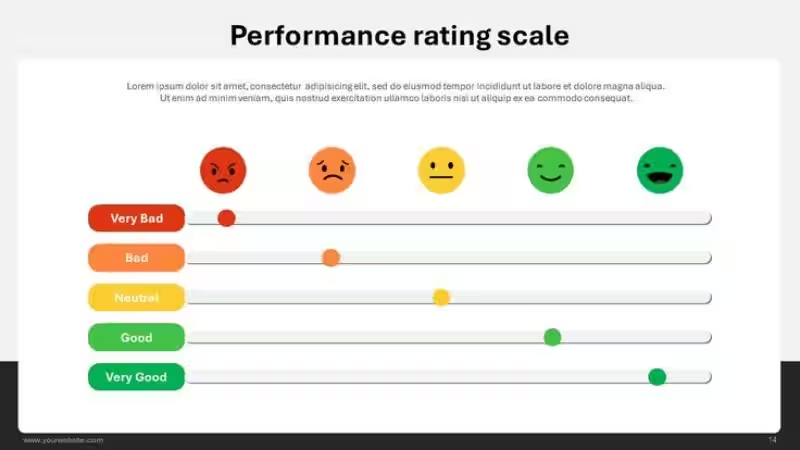
Rating systems: Using scales for quantitative assessment.
Often, a combination of these approaches provides the most comprehensive and insightful review. The best approach will depend on organizational culture and specific needs.
Time Commitment and Technology
The time commitment for PDRs varies, but the use of HR analytics tools and performance management software significantly streamlines the process. These tools automate many aspects, freeing up time for more meaningful conversations and development planning.
In conclusion, a well-implemented PDR workplace system is a key component of a successful performance management strategy. By focusing on continuous improvement, collaboration, and employee development, organizations can reap significant benefits in terms of employee engagement, retention, and overall performance. The shift towards PDRs represents a significant improvement over traditional annual appraisals, fostering a more dynamic and supportive work environment.
PDR Workplace FAQ
What is a Performance Development Review (PDR)?
A Performance Development Review (PDR) is a structured process used to evaluate an employee's performance, identify areas for improvement, and create a plan for future development. Unlike outdated annual appraisals that focus solely on past performance, PDRs emphasize continuous improvement and growth, aligning individual goals with the organization's overall strategy. They are typically conducted more frequently than traditional annual reviews, such as monthly or quarterly.
What is the purpose of a PDR?
The purpose of a PDR is multifaceted. It aims to:
Foster employee growth: Identify strengths and weaknesses, setting clear goals for improvement.
Enhance employee engagement: Increase employee motivation and commitment through recognition of achievements and collaborative planning.
Align individual and organizational goals: Ensure employee efforts directly contribute to the company's strategic objectives.
Improve overall performance: Track progress, make timely adjustments, and maximize employee potential.
Strengthen the employee-manager relationship: Create a space for open communication and feedback.
What are the key steps in the PDR process?
A typical PDR process involves several key steps:
Performance Review: Assessing past performance using data and feedback.
Scheduling: Implementing regular review cycles using performance management software.
Template Creation: Developing effective and consistent PDR templates.
Manager Coaching: Training managers on effective communication and feedback techniques.
Providing resources: Ensuring access to training, mentorship, and other development opportunities.
Analyzing data: Utilizing HR analytics to track progress and identify areas for improvement in the PDR process itself.
What different approaches can be used for PDRs?
Several structural approaches exist, including:
Self-evaluations: Employees assess their own performance.
Top-down reviews: Manager-led evaluations.
360-degree feedback: Incorporates input from peers, colleagues, and supervisors.
Rating systems: Using scales for quantitative assessment. Often, a combination of these methods provides the most comprehensive review.
How much time does a PDR require?
The time commitment varies depending on employee tenure, performance, and the complexity of issues discussed. However, the use of HR analytics tools and performance management software can significantly streamline the process, making it efficient for both managers and employees.
What are the benefits of using PDRs?
PDRs benefit both employees and the organization. For employees, they provide opportunities for growth, feedback, and increased engagement. For organizations, PDRs improve performance, align individual with organizational goals, improve retention, and foster a culture of continuous improvement.
How do PDRs differ from traditional performance appraisals?
PDRs are more forward-looking and focus on development and continuous improvement, whereas traditional appraisals often focus primarily on past performance and can feel more like a judgment. PDRs aim for a collaborative approach to growth.
How can I create a psychologically safe environment for PDRs?
Creating a safe space requires trust, open communication, mutual respect and active listening. Managers should focus on constructive feedback, providing both positive reinforcement and areas for improvement without judgment. Open dialogue and ensuring the employee feels heard are crucial.