Mastering Productive Organization: A Holistic Approach to Success
Mastering Productive Organization: A Holistic Approach to Success
Are you struggling to balance your work and personal life? Do you feel overwhelmed by a never-ending to-do list? The secret to managing it all might lie in mastering productive organization. It's not just about a tidy desk; it's a holistic approach that profoundly impacts your productivity, well-being, and overall success.
The Power of Productive Organization: A Case Study
Jeff Strong, a highly successful executive, embodies the principles of productive organization. He attributes his ability to juggle a demanding career and family life to his meticulous organizational habits. His system relies heavily on calendar management and leveraging technology, specifically his iPad, for note-taking and meticulously tracking to-do lists.
This isn't about obsessive tidiness; it's about strategic planning. While initial organization requires a time investment, the long-term rewards—reduced stress, increased efficiency, and improved clarity—far outweigh the initial effort. It's an investment in your time and well-being that pays significant dividends. The key is finding a system that works uniquely for you and consistently adhering to it.
Taming the Workspace: Creating a Productive Environment
Lori Robinson, an organization expert, emphasizes the importance of a "clean slate" approach to workspace organization. She recommends decluttering your desk by sorting items into three piles: "keep," "throw away," and "give away." This initial purge creates a foundation for a more effective system.
Following the decluttering, she suggests implementing a three-tray system: one for incoming mail or tasks (inbox), one for current action items, and one for filed documents. The focus is on consistent maintenance. Avoid letting piles accumulate; address them proactively. Break down larger organization tasks into smaller, manageable steps. This prevents feeling overwhelmed and ensures gradual, sustainable progress. Studies show that a cluttered workspace negatively impacts productivity, mood, and even professional image, underscoring the importance of a well-organized environment.
Beyond the Three-Tray System: Advanced Workspace Organization
Jeff Strong's approach extends this further. He uses a numbered filing system for paper documents, with the numbers corresponding to calendar dates. This ensures easy retrieval of information when needed, providing a streamlined approach to document management. This level of organization minimizes time spent searching for information, maximizing time spent on productive tasks. Finding a refined system, whether it is a sophisticated filing system or a simple tray system, is vital for maintaining a productive and efficient workspace.
Organizing isn't limited to your physical workspace; it's crucial for managing projects and tasks. Stephen Stathis, a historian, advocates for breaking down large projects into smaller, manageable segments. He outlines his projects, setting deadlines for each section. This strategy reduces stress and maintains momentum by making the overall task less daunting. The success of this method lies in the creation of clearly defined milestones and realistic deadlines, fostering a sense of accomplishment as each part is completed.
Kimberly Blackburn, a training director, uses detailed checklists to ensure smooth and professional training sessions. Checklists provide a framework for consistency and reduce the likelihood of overlooking crucial steps. This method is particularly beneficial for tasks requiring multiple steps or involving multiple people, ensuring that nothing is missed and enhancing collaboration. This emphasis on meticulous task breakdown and planning is a cornerstone of productive organization.
Expanding Productive Organization to All Areas of Life
The principles of productive organization extend far beyond the workspace. Here are some practical tips for applying these principles to various aspects of your life:
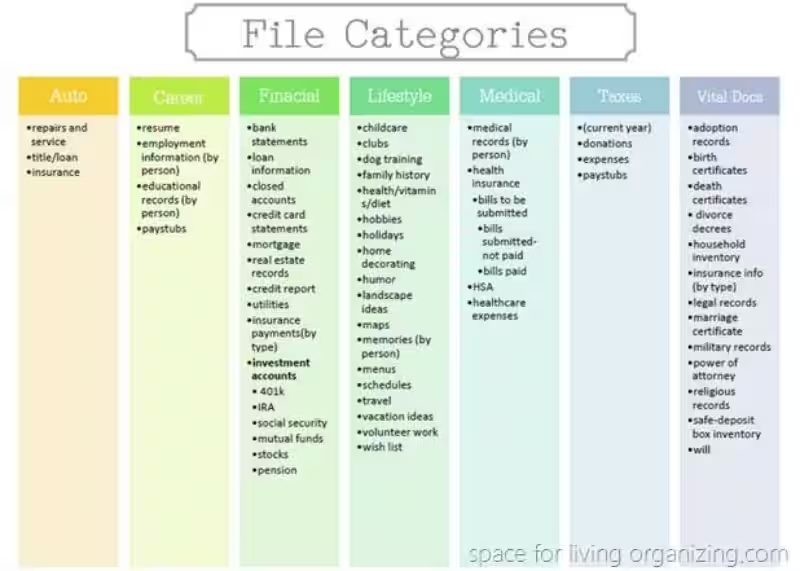
Designated Storage: Establish designated storage areas for both important and less important documents. This prevents clutter and ensures easy access to necessary materials.
Regular Desk Cleaning: Regularly clean and declutter your desk, implementing the "clean slate" method as needed.
Consistent List-Making: Utilize to-do lists to track tasks and projects, prioritizing items based on urgency and importance.
Efficient Email Management: Prioritize emails and process them in batches to avoid constant interruptions.
Shared Online Platforms: Use shared online platforms for collaborative document management, facilitating teamwork and clear communication.
Concise Written Communication: Write concise, clear emails and documents to minimize time spent reading and responding.
Synchronized Calendars: Use synchronized calendars for family coordination, ensuring everyone is on the same page regarding schedules and appointments.
Mastering productive organization is a journey, not a destination. It requires experimentation to find the system that best suits your individual needs and preferences. There's no one-size-fits-all solution. The key is to find a method that promotes efficiency and reduces stress, ultimately leading to a more fulfilling and successful life, both personally and professionally. Embrace the power of productive organization and unlock your full potential.
Here are some frequently asked questions about productive organization, based on the insights of successful professionals:
What is productive organization, and why is it important?
Productive organization is more than just a tidy desk; it's a holistic approach encompassing time management, workspace efficiency, task breakdown, and communication strategies. It significantly impacts productivity, reduces stress, improves well-being, and enhances your professional image. The investment in initial organization yields substantial long-term benefits in both your personal and professional life, as demonstrated by successful individuals who prioritize organization as a key to their success.
How do I organize my workspace effectively?
Begin by decluttering your desk. Sort items into "keep," "throw away," and "give away" piles. Implement a three-tray system for incoming mail (inbox), action items, and filed documents. Maintain this system consistently, avoiding the accumulation of piles. Consider a numbered filing system linked to calendar dates for efficient paper management. Remember that a clean and organized workspace positively impacts mood, productivity, and even your professional image, unlike cluttered environments which can negatively affect these aspects. Tackle organization in manageable steps – don't try to do everything at once.
How can I manage large tasks effectively?
Break down large tasks into smaller, more manageable segments. Create detailed outlines for projects, setting deadlines for each section. This approach reduces stress and maintains momentum. Using checklists for projects, especially complex ones like training sessions, ensures that no steps are missed and contributes to a smoother, more professional outcome. This segmented approach allows for better tracking of progress and helps maintain focus.
What practical tips can I use to improve my overall organization?
Designated Storage: Establish clear storage locations for important and less important documents.
Regular Cleaning: Schedule regular cleaning of your desk and workspace.
Consistent List-Making: Maintain to-do lists to track tasks and priorities.
Efficient Email Management: Prioritize and batch-process emails to avoid constant interruptions.
Collaborative Platforms: Utilize shared online platforms for collaborative document management.
Concise Communication: Write concisely and clearly to avoid misunderstandings and save time.
Synchronized Calendars: Synchronize calendars with family members or colleagues for better scheduling and coordination.
Utilize Technology: Tools like iPads for note-taking and calendar management can greatly improve organization.
Is there one "right" way to be organized?
No, there isn't one universally correct organizational method. The most effective approach is the one that best suits your individual needs and working style. The key is to find a system that promotes your productivity and efficiency, leading to a more fulfilling and successful life. Experiment with different methods until you find the one that works best for you, adapting and refining it as needed.
What if I don't have time to get organized?
The initial investment of time in organizing will save you time in the long run. Disorganization leads to wasted time searching for things, missed deadlines, and increased stress. Start small, focusing on one area at a time. Even small improvements can make a noticeable difference in your productivity and overall well-being. Consider prioritizing the most crucial areas first, such as your email inbox or your most important work projects. The benefits of an organized approach far outweigh the initial time investment.