Mastering the Art of Organization: Essential Rules for a Tidy and Efficient Life
Mastering the Art of Organization: Essential Rules for a Tidy and Efficient Life
Organization is more than just tidiness; it's a system that streamlines your life, reducing stress and boosting productivity. Many find the task daunting, but with the right approach, achieving and maintaining an organized space becomes manageable. This article explores essential organization rules to help you create a more efficient and peaceful environment.
The Golden Rules of Organization: Immediate Action, Grouping, and Designated Homes
Effective organization hinges on cultivating consistent habits and establishing clear systems. Let's delve into three core principles that form the bedrock of a well-organized life.
Creating a truly organized space requires more than just a one-time decluttering spree. It demands consistent effort and thoughtful planning. The key is to develop habits that prevent clutter from accumulating in the first place. This proactive approach is far more efficient than reacting to overwhelming piles of disorganization later. Think about it – how much time do you spend searching for misplaced items?
One of the most powerful strategies is to adopt a proactive approach to tidiness. This means addressing tasks immediately rather than postponing them. Putting away belongings after use, dealing with mail promptly, and washing dishes immediately after a meal are all examples of this principle in action. This seemingly small shift in behavior can make a significant difference over time, preventing clutter from building up and making daily routines smoother.
Rule 1: Immediate Action
This rule emphasizes the importance of immediate action. Instead of letting tasks pile up, address them as soon as possible. This proactive approach prevents clutter from accumulating and simplifies daily routines, preventing the snowball effect of procrastination. Delaying simple tasks, like putting away clothes or responding to emails, often leads to a larger, more overwhelming task later. By addressing things immediately, you break this cycle and maintain a sense of control.
Rule 2: Grouping Similar Items
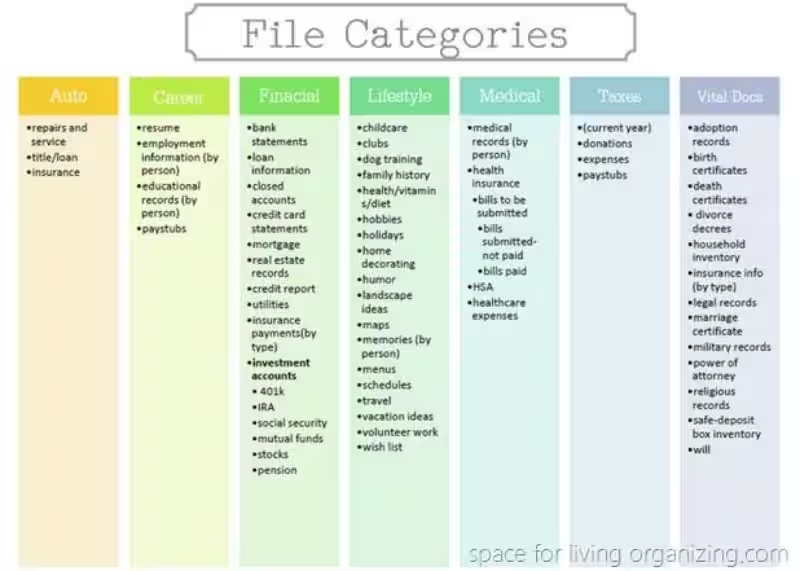
Categorizing your belongings and assigning specific storage locations for each category is crucial. For example, dedicate a drawer for chargers, a basket for batteries, and a shelf for books. This simple act of grouping similar items drastically reduces search times and makes finding things much easier. Imagine searching for misplaced batteries; a designated place eliminates that frustration. This system makes your space more intuitive and efficient, saving you valuable time and energy.
Rule 3: Assigning a Designated "Home" for Every Item
Building on the previous two rules, every item should have a specific and known location when not in use. Just like silverware has its designated place in a drawer, every item, from your keys to your favorite mug, deserves a "home." This clarity prevents the accumulation of random items in unexpected places. The key is consistency – everyone in the household needs to understand and follow the established system. Introducing new items should only occur after you've identified their designated home. This prevents future disorganization and maintains the established order, ensuring that your organizational system remains effective long-term.
Beyond the Basics: Expanding Your Organization System
While the three core rules provide a solid foundation, there are other important factors to consider for a truly effective organization system. These additional concepts build upon the core principles, providing a more holistic approach to organization.
Rule 4: Regular Purging
Regular decluttering is essential to prevent the accumulation of unnecessary items. Schedule regular purging sessions to evaluate your belongings and get rid of anything you no longer need, use, or love. This prevents clutter from building up and helps maintain a clean and organized space.
Rule 5: Utilizing Vertical Space
Maximize your storage space by utilizing vertical space effectively. Shelves, drawers, and wall-mounted organizers can help you store items efficiently, freeing up floor space and keeping things organized.
Rule 6: Utilizing Technology
Digital organization is just as crucial as physical organization. Employ digital tools to manage your files, emails, and calendars. Cloud storage, file management systems, and calendar apps can significantly improve efficiency and reduce clutter.
Rule 7: Mindful Consumption
Before bringing new items into your home, consider whether you truly need them. Mindful consumption reduces the accumulation of unnecessary items and helps maintain a less cluttered environment.
For some, organization is more than just a matter of tidiness; it plays a vital role in mental wellbeing. Individuals struggling with chronic disorganization, hoarding tendencies, or challenges related to ADHD may find it particularly beneficial to seek professional help. Services like Organization Rules® provide practical solutions and emotional support, empowering individuals to take control of their spaces and improve their overall well-being. Remember, creating an organized environment is a journey, not a race; embrace this process and celebrate your progress along the way. The rewards of a more organized life extend far beyond a clean space; it’s about creating a more peaceful, productive, and fulfilling existence.
Frequently Asked Questions: Organization Rules
What is the core philosophy behind effective organization?
Effective organization relies on proactive habits and clear systems. Instead of reacting to clutter, the focus is on preventing it through immediate action, strategic grouping of similar items, and assigning a designated "home" for every item. This minimizes wasted time searching for things and maximizes efficiency in daily routines.
What does "immediate action" mean in the context of organization?
"Immediate action" means addressing tasks like putting away belongings, dealing with mail, and washing dishes as soon as possible, rather than procrastinating. This prevents the accumulation of clutter and establishes efficient habits. Procrastination leads to postponed decisions and ultimately, more disorganization.
How does grouping similar items improve organization?
Grouping similar items, such as placing all chargers in one drawer or batteries in a specific basket, significantly reduces search time. It creates a more intuitive system, making it easy to locate needed items. The alternative – scattered storage – leads to wasted time and frustration.
Why is assigning a "home" for every item crucial?
Assigning a designated "home" for every item builds upon the principles of immediate action and grouping similar items. It ensures every item has a known location when not in use, preventing random clutter and making it easy for everyone in the household to find and return items to their proper place. Introducing new items should only occur after determining their designated "home".
What if I'm struggling with chronic disorganization, hoarding tendencies, or ADHD?
Organization Rules® understands that organizational challenges can stem from various factors, including chronic disorganization, hoarding tendencies, ADHD, life events like divorce or bereavement, and illness. We offer personalized support tailored to your specific needs, including in-person and virtual organizing services, as well as clutter support classes. Our compassionate approach recognizes the emotional aspects of disorganization, providing both practical solutions and emotional support throughout the process.
What types of services does Organization Rules® offer?
Organization Rules® offers a range of services to meet diverse needs:
In-person organizing: Hands-on assistance to tackle physical clutter and establish long-term organizational systems.
Virtual organizing: Remote guidance and support for those who prefer or require remote assistance.
Clutter support classes: Educational tools and group support to equip clients with the skills to maintain organization independently.
How does Organization Rules® differ from other organizing services?
Organization Rules® distinguishes itself through its compassionate and understanding approach. We recognize that disorganization can be emotionally challenging and work collaboratively with clients, providing both practical strategies and emotional support to help them achieve a fresh start. We specialize in working with individuals facing chronic disorganization, hoarding tendencies, or challenges related to ADHD.
What are the 10 Rules of Respect (summarized) and how do they apply to organizational effectiveness?
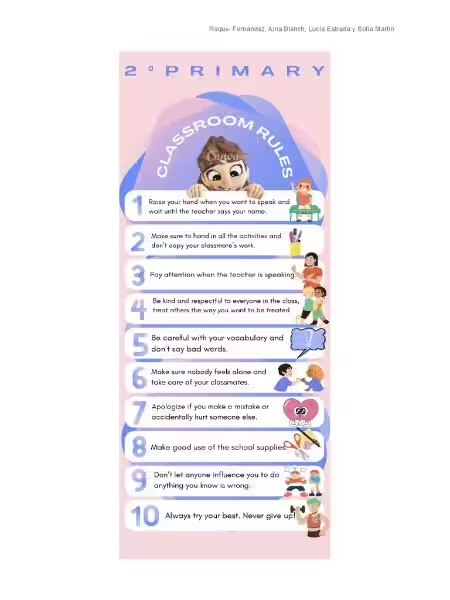
The 10 Rules of Respect emphasize building a respectful and productive organizational environment through clear communication, accountability, and consistent leadership. These rules, when applied, directly impact organizational effectiveness by fostering improved communication, collaboration, and productivity. For instance, clear rules, consistently enforced, are crucial for maintaining a tidy and organized shared space. Respectful communication is vital for resolving conflicts and establishing shared organizational strategies.