Mastering the Art of Organizing Categories: A Room-by-Room Guide
Mastering the Art of Organizing Categories: A Room-by-Room Guide
Effective home organization isn't about rigid rules; it's about creating a system that works for you. This article explores the power of "like with like" organizing categories, a flexible method that streamlines your belongings and simplifies your life. We'll delve into specific category suggestions for various rooms, emphasizing adaptability to your unique needs and lifestyle. The key is to find a system that feels intuitive and efficient, making everyday tasks easier and reducing stress.
The “Like with Like” Principle: The Foundation of Effective Organization
The core concept behind this approach is simple yet powerful: group similar items together. This seemingly obvious principle has transformative effects on your ability to find what you need, quickly and efficiently. Instead of scattering items randomly, "like with like" organizing creates visual clarity and reduces mental clutter. Imagine searching for a specific pan – with this method, you instantly know where to look, eliminating the frustrating hunt through drawers and cabinets.
This method encourages a mindful approach to storage. By grouping similar items, you become acutely aware of what you own, helping identify potential areas for decluttering and improving overall space management. This awareness is the first step towards a truly organized home.
Kitchen Organization: A Recipe for Efficiency
The kitchen, the heart of the home, often suffers from chaotic organization. Applying the "like with like" principle here can dramatically improve your cooking workflow. There are two main approaches to consider: organizing by activity or by item type.
Organizing by Activity:
This method groups items based on their use in specific cooking tasks. Think "baking supplies" (flour, sugar, baking powder, etc.), "breakfast essentials" (cereal, oatmeal, pancake mix), or "salad making" (dressings, vegetables). This approach is ideal if you frequently prepare specific types of meals.
Organizing by Item Type:
Alternatively, you can group items by their type, regardless of their use. This might involve placing all bowls together, all plates together, and all utensils in their respective spots. This approach is more visually straightforward, and great for quick identification of specific items.
Snacks: Healthy snacks and treats, separated for portion control.
Grains: Rice, pasta, quinoa, etc.
Fruits & Vegetables: Dedicated sections for fresh produce.
Treats: A designated area for sweets and indulgent snacks.
This system allows for easier meal planning and reduces time spent searching for ingredients. By grouping similar items, you gain a clear overview of your pantry contents, making it easier to identify what you need and plan your meals accordingly.
Clothing Organization: A Personal Approach
Organizing your wardrobe is highly personal, reflecting your individual style and needs. You can choose to organize by clothing type (shirts, pants, dresses, skirts) or by color coordination.
Comprehensive Clothing Categories:
Tops: T-shirts, blouses, sweaters, tank tops
Bottoms: Jeans, pants, skirts, shorts
Dresses: Casual dresses, formal dresses, etc.
Outerwear: Jackets, coats, scarves
Undergarments: Bras, panties, socks, hosiery
Accessories: Belts, jewelry, hats, scarves
Seasonal Items: Clearly marked and stored accordingly
Shoes: Organized by type or occasion
Regardless of your chosen method, the "like with like" principle applies: keep similar items together for easy access and a visually appealing closet.
Office Organization: Optimizing Workflow
In your office space, organizing categories should align with your workflow and tasks. Group items based on their function.
Technology Accessories: Cables, chargers, external hard drives
Task-Specific Materials: Dedicated areas for mailings, interview prep, etc.
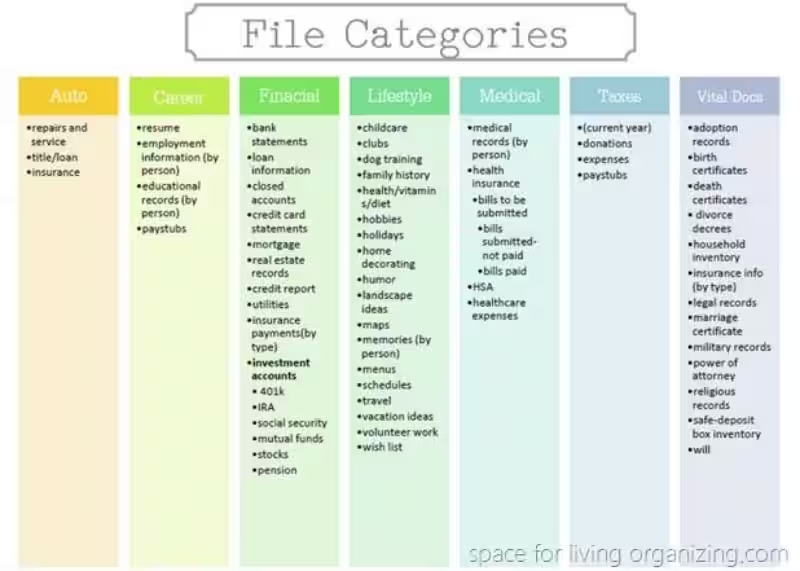
Using additional resources for paper organization, like a filing system, will further enhance efficiency. A well-organized office promotes focus, reduces stress, and makes it easier to manage your work.
Cleaning Supplies: Dedicated area for bathroom cleaners
This system promotes ease of access and keeps your bathroom clean and organized.
Miscellaneous Items: Creating Broader Categories
Some items don't neatly fit into specific room categories. For these, create broader categories:
Pets: Pet bed, toys, food, etc.
Cleaning Supplies: All-purpose cleaning supplies.
Home Decor: Decorative items, candles, etc.
Books: Organized by genre or author
Craft Supplies: Yarn, paint, beads, etc.
Even miscellaneous items benefit from consistent grouping, maintaining the "like with like" principle throughout your home. This ensures a cohesive and efficient organizational system. Remember, flexibility is key, and adjusting categories to fit your needs is encouraged.
Organizing Categories: Frequently Asked Questions
What is the core principle behind effective organizing, as described in this article?
The core principle is the "like with like" method. This involves grouping similar items together to create a system that is both efficient and intuitive. This makes it easier to find what you need and maintain a tidy space.
How does the "like with like" method apply to different rooms?
The "like with like" method adapts to each room's function. In the kitchen, it might mean grouping by cooking activity (baking) or item type (all bowls). In the pantry, it's often organized by meal type or food category (breakfast items, snacks). Clothing can be organized by type (shirts, pants) or color. The office focuses on workflow, grouping items by task (writing instruments, filing supplies). Garage organization depends on individual usage, grouping by function (sports equipment, tools). The bathroom groups items by type (toiletries, first-aid). Even miscellaneous items are grouped consistently (pets, cleaning supplies).
Are there specific category suggestions for each room?
Yes, the article provides extensive category lists for each room. These lists serve as starting points, encouraging customization based on individual needs and preferences. For example, the kitchen includes categories for cookware, Tupperware, spices, baking supplies, and small appliances. The pantry suggests categories for meal-prep components, breakfast items, snacks, grains, fruits, vegetables, and treats. Clothing categories encompass seasonal items, accessories, and undergarments. Office categories include writing instruments, filing supplies, technology accessories, and task-specific materials. Garage organization categories are highly variable, reflecting individual usage. Bathroom categories include toiletries (sub-categorized by face, hair, body), first-aid supplies, and towels.
How flexible is this organizational system?
The system is highly flexible. While the "like with like" principle remains central, the specific categories and their arrangement are tailored to the individual's lifestyle and preferences. The provided lists are suggestions, not mandates.
What if I have items that don't easily fit into a specific category?
Create broader categories for miscellaneous items. The article suggests categories like pets, cleaning supplies, home decor, books, and craft supplies as examples. The key is consistent grouping, even for less easily categorized items.
What is the best way to approach organizing a particular room?
Start by decluttering using a method like S.O.R.T. (Stay, Offload, Relocate, Trash). Then, group similar items together based on your workflow and frequency of use. Consider how you use the space and what makes the most sense for your daily routine. Use the suggested categories as inspiration, but feel free to adjust them to fit your needs.
Does this method require a significant time commitment?
Yes, effective organization takes time, but it's a worthwhile investment. The article suggests focusing on small sections at a time to avoid feeling overwhelmed. Breaking down the task into manageable steps makes it less daunting.
What if I get overwhelmed during the organizing process?
The article emphasizes self-compassion. Take breaks when needed, ensure adequate lighting, stay hydrated, eat nutritious snacks, and consider listening to music to create a more positive experience. Remember to focus on small sections, using timers if helpful.