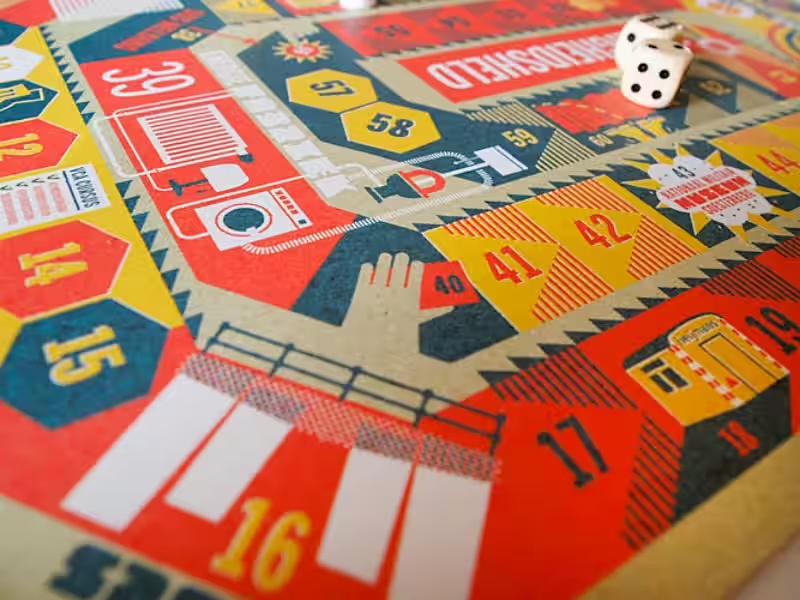
Are you tired of the same old, dry safety training sessions that leave your employees yawning and disengaged? Do you wish there was a more effective way to reinforce crucial safety procedures and build a strong safety culture within your workplace? The answer might lie in the power of play. Integrating engaging safety games for work can transform safety training from a tedious chore into a fun and memorable experience, leading to improved safety awareness and a more productive work environment.
Traditional safety lectures and manuals often fail to capture employees' attention, resulting in poor retention of crucial information. This is where safety games come in. They offer a refreshing alternative, transforming abstract safety rules into interactive, engaging experiences that stick in employees' minds.
By incorporating game mechanics, you can turn a potentially dull topic into a fun and competitive activity. This approach boosts employee participation, encourages teamwork, and fosters a more positive attitude towards safety. The increased engagement translates directly into a safer, more productive workplace, reducing the likelihood of accidents and incidents.
Types of Safety Games for Work: From Simple to Sophisticated
The beauty of safety games is their adaptability to different workplaces and budgets. You can choose games that suit your specific needs and resources, from simple, low-cost activities to more elaborate, immersive experiences.
Low-Cost, High-Impact Games
Safety Bingo Blitz: Create bingo cards with safety-related terms or images. Call out the items, and the first to get bingo wins a small prize. This is a simple yet effective way to reinforce key safety vocabulary.
Safety Word Search: Develop word searches featuring essential safety terms. This low-cost activity encourages active learning and vocabulary retention.
Safety Pictionary Fun: Teams take turns drawing safety-related terms or scenarios while others guess. This fosters teamwork and creative expression.
Safety Jenga: Write safety questions or challenges on Jenga blocks. Players answer the question on the block they pull before stacking it again.
PPE Fashion Show: A fun and memorable way to highlight the importance of personal protective equipment (PPE). Employees can create outfits from PPE, showcasing creativity and safety knowledge.
Safety Relay Race: Design a relay race incorporating safety-related tasks, such as putting on PPE correctly or identifying hazards. This combines physical activity with safety learning.
Safety Storyboard: Teams create visual representations of safety scenarios, including potential hazards and solutions. This promotes problem-solving and communication.
Hazard Hunt: Teams search the workplace for potential hazards, documenting their findings and suggesting solutions. This fosters proactive safety awareness.
Immersive and Competitive Games
Escape Room Challenges: Design an escape room with safety-related puzzles and challenges. This provides an immersive and engaging learning experience.
Safety Jeopardy: A trivia-style game testing employees' knowledge of safety rules and procedures. This creates a competitive and fun learning environment.
Safety Song Parody: Teams create parodies of popular songs, incorporating safety messages and procedures into the lyrics. This encourages creative expression and memorability.
Implementing Safety Games Effectively
Successfully implementing safety games requires careful planning and execution. Here are some important considerations:
Choose games appropriate for your workforce: Consider the age, experience level, and cultural background of your employees when selecting games.
Set clear objectives: Define what you want to achieve with the games, such as improving knowledge of specific safety procedures or enhancing teamwork.
Provide clear instructions: Ensure all participants understand the rules and objectives of the game.
Offer incentives and rewards: Small prizes or recognition can further motivate participation and engagement.
Make it fun!: The most important aspect is to create a relaxed and enjoyable atmosphere. This will encourage employees to participate enthusiastically and retain the information learned.
Supplement, don't replace: Safety games should be a supplement to, not a replacement for, standard safety training.
Long-Term Benefits of Safety Games for Work
Investing in safety games offers numerous long-term benefits. By enhancing employee engagement and knowledge retention, you create a safer, more productive work environment. This leads to:
Reduced workplace accidents and injuries: Improved safety awareness translates directly into fewer incidents.
Increased employee morale and engagement: Fun and engaging activities boost team spirit and morale.
Improved safety culture: A proactive approach to safety becomes ingrained in the workplace.
Enhanced productivity: Fewer accidents lead to less downtime and lost productivity.
Cost savings: Reduced accidents and injuries lower insurance premiums and medical expenses.
In conclusion, incorporating engaging safety games for work is a cost-effective and highly effective strategy to improve workplace safety and enhance employee engagement. By making safety training fun and memorable, you can create a stronger safety culture and a more productive and safer work environment for everyone. So, ditch the boring lectures and embrace the power of play!
What are workplace safety games?
Workplace safety games are interactive and engaging activities designed to reinforce safety procedures and improve employee understanding of workplace hazards. They transform traditional, often boring, safety training into fun and memorable experiences, boosting participation and retention. These games are supplementary to, not a replacement for, standard safety training.
Why use safety games for workplace training?
Traditional safety training methods can be ineffective, leading to poor retention of crucial information. Safety games offer a more engaging approach, making learning fun and memorable. This increased engagement leads to better understanding and improved adherence to safety protocols, ultimately creating a safer and more productive work environment. They're also a cost-effective way to improve safety culture.
What types of safety games are there?
There's a wide variety to suit different workplace sizes and budgets: Simple games like Bingo, Word Searches, or Memory Match can be easily implemented. More elaborate options include themed fashion shows (PPE), relay races incorporating safety tasks, escape room challenges, or even creating safety-themed songs or posters. Interactive simulations and role-playing scenarios provide hands-on experiences. The key is finding games that suit your workplace's specific needs and culture.
Are safety games suitable for all workplaces?
Yes, the concepts can be adapted to any workplace, regardless of size or industry. Simple games can be easily implemented in small businesses, while larger companies can organize more elaborate events. The core principle is to adapt the games to the specific hazards and safety procedures relevant to your workplace.
How can I choose the right safety game for my workplace?
Consider your budget, the size of your workforce, the type of hazards present, and the level of engagement you want to achieve. Start with simpler games to gauge employee interest and then gradually introduce more elaborate activities. Involving employees in the selection process can increase participation and buy-in.
How do I implement safety games effectively?
Clearly define the learning objectives for each game. Provide clear instructions and ensure everyone understands the rules. Offer incentives or rewards to encourage participation. Most importantly, create a fun and supportive atmosphere where employees feel comfortable participating without fear of judgement. Debrief after each game to reinforce key learning points.
What are the benefits of using safety games?
Improved safety awareness, increased employee engagement, better retention of safety information, a stronger safety culture, reduced workplace accidents, and increased productivity are all key benefits. The memorable nature of gamified learning ensures long-term positive impacts.
Are safety games a replacement for formal safety training?
No, safety games are a supplementary tool to enhance and reinforce formal training. They are not a replacement for comprehensive safety instruction and compliance with regulations. They should be seen as a valuable addition to a holistic safety program.
How much do safety games cost?
Many safety games can be implemented with minimal cost, using readily available materials. More elaborate games might require some investment, but the long-term benefits in terms of reduced accidents and improved safety culture often outweigh the initial expense.
How can I measure the effectiveness of safety games?
Track the number of participants, gather feedback through surveys or informal discussions, monitor accident rates and near-miss incidents before and after implementing the games. Observe changes in employee behavior and attitudes towards safety. These metrics will help you assess the impact of the games and make adjustments as needed.