Safety KPI Examples: Choosing the Right Metrics for Your Organization
Safety KPI Examples: Choosing the Right Metrics for Your Organization
Choosing the right safety KPIs (Key Performance Indicators) is crucial for any organization, regardless of size or industry. It's not just about ticking boxes; effective safety KPI examples help you proactively identify risks, measure progress, and ultimately create a safer and more productive work environment. This article will explore various safety KPI examples, categorize them, and guide you towards building a tailored system that suits your specific needs.
Before diving into specific examples, it's important to understand the difference between lagging and leading indicators. This distinction is vital for building a comprehensive safety program.
Lagging indicators, as their name suggests, reflect past performance. They tell you what has happened, typically after an incident. While valuable for understanding your current safety status, they don't prevent future incidents. Think of them as the 'aftermath report.'
Leading indicators, on the other hand, predict future performance. They identify potential hazards before they cause incidents, offering a chance for proactive intervention and prevention. These are your 'early warning system.'
Examples of Lagging Safety KPIs
Total Recordable Incident Rate (TRIR): This is a very common safety KPI example, measuring the number of recordable incidents per 200,000 employee hours worked. A high TRIR indicates a need for immediate attention and investigation.
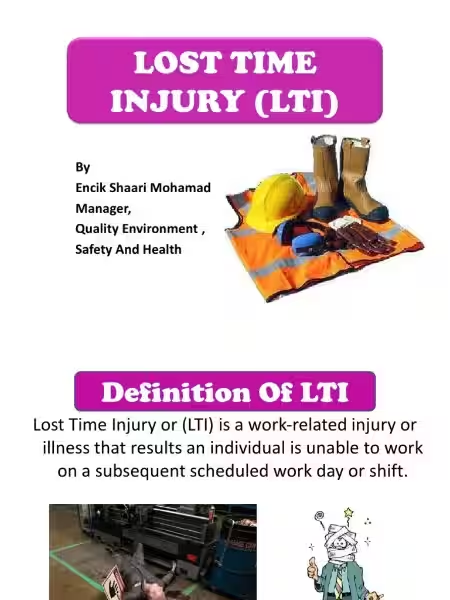
Lost Time Injury Frequency Rate (LTIFR): This KPI focuses specifically on injuries causing time off work, offering a clearer picture of the severity of incidents. A high LTIFR suggests significant disruptions and potential long-term costs.
Lost Time Injury Incidence Rate (LTIIR): Similar to LTIFR, but expressed as injuries per 1000 employees, making it easier to compare across organizations of different sizes.
Near Miss Rate: While sometimes considered a leading indicator, a high near miss rate often reflects underlying systemic issues that need addressing to prevent actual incidents. It's a lagging indicator of existing risks.
Examples of Leading Safety KPIs
Safety Training Completion Rate: This measures the percentage of employees who have completed necessary safety training. Low completion rates highlight gaps in training and potential risk areas.
Safety Audit Scores: Regular safety audits, using standardized checklists, provide valuable data on compliance with safety procedures and standards. Low scores indicate areas needing immediate improvement.
Number of Safety Observations: The number of safety observations conducted (and the actions taken based on them) reflects the proactivity of your safety culture. A low number suggests a lack of engagement.
Equipment Maintenance Records: Properly maintained equipment is crucial for safety. This KPI tracks the frequency and quality of maintenance, showing potential weaknesses before they lead to accidents.
Beyond the Basics: Expanding Your Safety KPI Examples
While the above KPIs are fundamental, a truly effective safety program requires a broader perspective. Here are some additional safety KPI examples that provide a more holistic view:
Employee Perception of Management Commitment to Safety: This is often measured through employee surveys and reveals the level of trust and engagement in safety initiatives. Low scores indicate a need to improve communication and demonstrate management’s commitment.
Employee Attendance Rate: While seemingly unrelated, consistently low attendance may indicate underlying health concerns or a stressful work environment, both of which increase safety risks. It's a good overall health and safety indicator.
Average Overtime Hours Per Person: Excessive overtime can lead to fatigue and increased risk of accidents. Monitoring this KPI is crucial, especially in industries with high levels of overtime.
Satisfaction With Environment Score: A positive and supportive work environment is crucial for wellbeing and safety. Using surveys like eNPS (Employee Net Promoter Score) can measure employee satisfaction with their work environment.
Implementing and Using Your Safety KPIs Effectively
Choosing your safety KPI examples is only the first step. Effective implementation requires a systematic approach:
Define your goals: What are you hoping to achieve with your safety program? Defining clear goals will guide your KPI selection.
Choose relevant KPIs: Select KPIs that align with your goals and reflect the specific risks in your organization.
Establish baselines: Measure your current performance to establish a baseline against which future progress can be measured.
Monitor and review regularly: Track your KPIs regularly and review the data to identify trends and areas for improvement.
By using a combination of lagging and leading safety KPI examples, regularly monitoring your performance, and actively engaging your employees, you can build a robust and effective safety program that continuously improves your workplace's safety and ultimately reduces workplace incidents. Remember, the most effective approach considers your specific context, regularly updates the metrics, and actively involves employees in the process.
Safety KPIs (Key Performance Indicators) are measurable values that track an organization's progress towards its safety goals. They provide a quantifiable way to monitor safety performance, identify areas for improvement, and demonstrate the effectiveness of safety initiatives. These KPIs encompass both safety and health metrics, going beyond simply counting accidents. They are crucial for organizations of all sizes, even those in low-risk sectors.
Why are Safety KPIs Important?
Safety KPIs are essential for several reasons: they provide a clear picture of current safety performance; they help identify trends and potential hazards; they enable proactive interventions to prevent incidents; they demonstrate commitment to safety to employees, stakeholders, and regulatory bodies; and they ultimately contribute to a safer and more productive work environment. Tracking KPIs allows for data-driven decision-making, leading to continuous improvement in safety management.
What are some examples of Lagging Safety KPIs?
Lagging KPIs measure outcomes after an incident has occurred. They provide insight into the current state of safety but don't predict future performance. Examples include:
Fatalities: The number of fatalities resulting from workplace incidents.
Total Recordable Incident Rate (TRIR): The total number of recordable incidents per a specified number of hours worked (e.g., per 200,000 hours).
Lost Time Injury Frequency Rate (LTIFR): The number of lost-time injuries per million hours worked.
Lost Time Injury Incidence Rate (LTIIR): The number of lost-time injuries per a standard number of employees (e.g., per 1,000).
Near Misses Rate (sometimes considered lagging): While aiming to be proactive, near misses often reflect existing risks that haven't yet resulted in injury. Their frequency suggests underlying issues.
Penalties Paid: Monetary penalties incurred due to safety violations.
What are some examples of Leading Safety KPIs?
Leading KPIs predict future performance by identifying potential problems before they cause incidents. They are proactive indicators of risk. Examples include:
Near Misses Rate (can be a leading indicator): The number of near misses reported, signaling potential hazards.
Number of Safety Violations: The number of safety violations identified through audits or observations.
Employee Perception of Management Commitment to Safety: Measured through surveys, this reflects employee trust in safety procedures.
Equipment Breakdowns: The number of equipment breakdowns, as malfunctioning equipment can lead to accidents.
Safety Training Completion Rates: The percentage of employees who have completed required safety training.
Safety Audit Scores: The scores achieved in regular safety audits, reflecting compliance with standards.
Monthly Health and Safety Prevention Costs: Investment in safety measures.
Average Overtime Hours Per Person: High overtime can increase fatigue and risk (applicability varies by organization).
Satisfaction With Environment Score: Assess the physical and emotional work environment.
How do I choose the right Safety KPIs for my organization?
The best KPIs are specific to your organization's context, hazards, and goals. Consider your industry, the size of your workforce, the types of work performed, and your overall safety strategy. A four-step approach is recommended: define your safety objectives; identify relevant hazards and risks; choose KPIs that accurately measure progress towards objectives and reflect those risks; and regularly review and adjust your KPIs based on performance and changing circumstances. A free health and safety strategy template can assist in this process.
How often should I monitor my Safety KPIs?
The frequency of monitoring depends on your organization's needs. Some KPIs might require daily monitoring (e.g., near misses), while others might be reviewed monthly or quarterly (e.g., TRIR). Larger organizations with complex operations may need more frequent monitoring than smaller ones. The use of safety management software can streamline data collection, analysis and reporting, especially for larger organizations. Regular safety audits (frequency dependent on size and complexity) are also critical.
How can I improve my organization's Safety KPI performance?
Improving safety KPI performance requires a multi-faceted approach. This includes: conducting thorough incident investigations to identify root causes; implementing corrective actions to address identified hazards; providing comprehensive safety training; fostering a strong safety culture through open communication and employee engagement; utilizing safety management software to improve data tracking and analysis; and regularly reviewing and adjusting KPIs based on performance data. Remember that a combination of leading and lagging indicators, coupled with active employee participation, is crucial for continuous improvement.