Understanding and Implementing a Sustainable Value Chain
Understanding and Implementing a Sustainable Value Chain
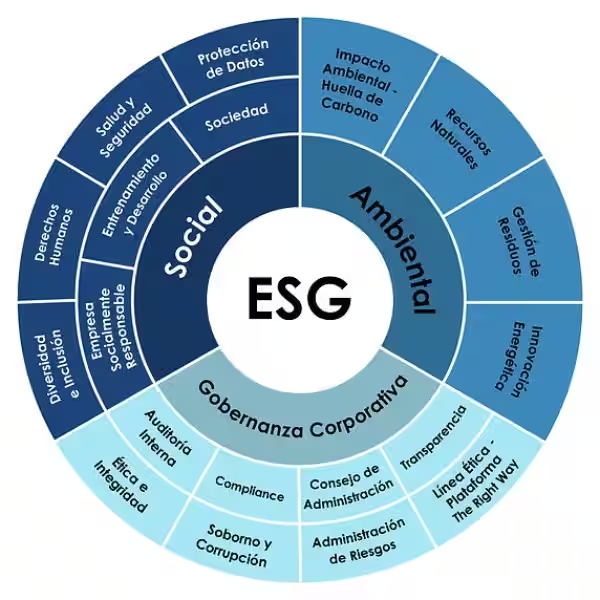
Building a truly successful business in today's world requires more than just profit; it demands a commitment to sustainability. This means integrating environmental, social, and governance (ESG) considerations into every aspect of your operations. But how can businesses effectively achieve this? The answer lies in understanding and implementing a sustainable value chain. This article will explore the key components and benefits of this transformative approach.
The traditional concept of a supply chain focuses solely on the movement of goods. However, a sustainable value chain takes a much broader perspective, encompassing the entire lifecycle of a product or service. This includes everything from the initial sourcing of raw materials to the final disposal or recycling of the product. This holistic view is critical because it allows businesses to identify and address sustainability challenges at each stage.
It's crucial to move beyond simply reacting to external pressures. Actively reimagining your value chain requires a proactive approach. This means systematically evaluating every step of your operations to identify potential environmental and social impacts and developing strategies to mitigate those impacts. Ultimately, a truly sustainable value chain prioritizes the long-term health of the planet and its people alongside short-term profits.
Key Elements of a Sustainable Value Chain
Building a sustainable value chain involves a multifaceted approach encompassing several critical elements:
1. Decarbonization and Circularity
Reducing carbon emissions is paramount. This involves transitioning to renewable energy sources, optimizing transportation methods, and implementing energy-efficient technologies throughout the entire production process. Furthermore, embracing circular economy principles—reduce, reuse, recycle—is essential for minimizing waste and maximizing resource efficiency. This requires designing products for durability and recyclability and developing effective waste management systems.
Implementing these principles requires a fundamental shift in thinking. It's not just about reducing waste at the end of the process, but building circularity into the design and production of the product itself. This necessitates collaboration with suppliers and other stakeholders in the chain.
2. Traceability and Transparency
Knowing where your materials come from and how your products are made is vital for ensuring sustainability. Improved traceability allows for better monitoring and management of environmental and social impacts throughout the entire value chain. Transparency builds trust with consumers, investors, and other stakeholders.
This enhanced visibility allows for more efficient identification and resolution of issues. Technology, such as blockchain, can play a significant role in enhancing traceability and transparency, providing a secure and verifiable record of product provenance.
3. Stakeholder Engagement and Collaboration
A sustainable value chain isn't a solo act. It requires collaboration across the entire network – from suppliers and manufacturers to distributors, retailers, and consumers. Engaging stakeholders throughout the process fosters a sense of shared responsibility and facilitates the development of more effective and efficient sustainability initiatives.
Open communication and a willingness to work together are crucial. This collaborative approach allows businesses to leverage the expertise and resources of various stakeholders, leading to more innovative and sustainable solutions.
4. Data-Driven Decision Making and Technology Adoption
Data plays a central role in monitoring progress and identifying areas for improvement. By tracking key performance indicators (KPIs) related to sustainability, businesses can gain valuable insights into the effectiveness of their initiatives and make data-driven decisions to optimize their performance. Adopting technologies such as AI and blockchain can further enhance efficiency and transparency.
Utilizing data effectively means having the right systems in place to collect, analyze, and interpret this information. This allows for a continuous improvement cycle, where data informs adjustments and improvements to the entire value chain.
The Benefits of a Sustainable Value Chain
The transition to a sustainable value chain is not merely a matter of corporate social responsibility; it's a strategic imperative. Businesses that prioritize sustainability often see numerous benefits:
Cost Reduction: Efficient resource management and waste reduction can lead to significant cost savings.
Growth Opportunities: Sustainable products and services are increasingly in demand, opening new markets and revenue streams.
Competitive Advantage: Businesses with robust sustainability strategies gain a competitive edge in the marketplace.
In essence, a sustainable value chain allows businesses to create long-term value by aligning economic success with environmental and social responsibility.
Conclusion: Embracing Sustainable Practices for a Brighter Future
Adopting a sustainable value chain is not optional; it's a necessity for long-term success. By integrating sustainability into every aspect of their operations, businesses can mitigate risks, unlock new opportunities, and contribute to a more sustainable future. This requires a fundamental shift in mindset, a commitment to collaboration, and a willingness to embrace innovative solutions. The journey towards a sustainable value chain may present challenges, but the rewards – both for businesses and for the planet – are undeniable. The future of business is undeniably linked to the future of the planet, and a sustainable value chain is the bridge between these two crucial elements.
Sustainable Value Chain: Frequently Asked Questions
What is a Sustainable Value Chain?
A sustainable value chain encompasses the entire lifecycle of a product or service, from initial conception and sourcing of raw materials to production, distribution, consumption, and disposal or recycling. Unlike a supply chain, which focuses solely on the movement of goods, a sustainable value chain considers the addition of value at each stage, incorporating economic, ethical, environmental, and social considerations. This holistic approach aims to minimize negative impacts and maximize positive contributions throughout the entire process.
Why is a Sustainable Value Chain Important for Businesses?
Businesses face increasing pressure from consumers, investors, and regulators to adopt sustainable practices. A sustainable value chain helps businesses meet these demands while simultaneously creating long-term value. Benefits include reduced operational costs, enhanced brand reputation, improved ESG (Environmental, Social, and Governance) performance, mitigation of sustainability-related risks (like supply chain disruptions), access to new markets, and a competitive advantage. It also fosters stronger relationships with stakeholders and drives innovation in sustainable materials and processes.
How Does a Sustainable Value Chain Differ from a Traditional Supply Chain?
The key difference lies in scope and perspective. A traditional supply chain focuses primarily on the efficient movement of goods from supplier to customer. A sustainable value chain takes a broader, holistic view, encompassing the entire product lifecycle and considering the environmental and social impacts at each stage. It emphasizes the creation of value beyond just economic terms, incorporating ethical and moral considerations alongside financial ones.
Collaboration: Working with suppliers, customers, and other stakeholders to develop and implement sustainable practices.
Innovation: Investing in new technologies and processes to improve sustainability performance.
Monitoring and Evaluation: Tracking progress towards goals and making adjustments as needed. This often involves utilizing data analytics and reporting mechanisms.
Transparency: Communicating sustainability efforts and progress to stakeholders.
Implementing a sustainable value chain is an ongoing process that requires commitment and continuous improvement.
What are the potential challenges in creating a sustainable value chain?
Building a sustainable value chain presents several challenges:
Cost of implementation: Initial investments in sustainable technologies and practices can be significant.
Complexity: Managing a complex network of stakeholders and processes requires strong coordination and communication.
Data availability and accuracy: Accurate and reliable data is crucial for monitoring progress and making informed decisions.
Lack of standardization: The absence of universally accepted sustainability standards can make it challenging to compare performance and track progress.
Resistance to change: Overcoming resistance to change within the organization and among stakeholders can be difficult.
By proactively addressing these challenges, businesses can successfully implement sustainable value chains and reap the associated benefits.