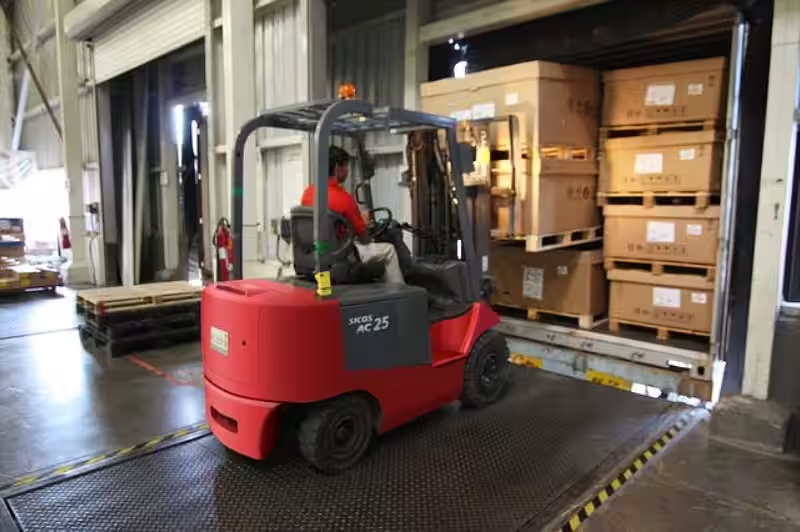
Forklift Safety Talk: A Comprehensive Guide to Preventing Accidents
Forklift Safety Talk: A Comprehensive Guide to Preventing Accidents
Are you ready to significantly improve your workplace safety and boost productivity by implementing effective forklift safety practices? This article provides a comprehensive guide to forklift safety, turning a potentially hazardous machine into a productive asset. We'll cover pre-operation checks, safe operating procedures, proper load handling, and much more, ensuring your forklift safety talk is both informative and engaging.
Pre-Operation Checks and Operator Responsibilities: The Foundation of Safety
Before even considering starting the engine, a thorough pre-operation check is paramount. This isn't just about ensuring the forklift is mechanically sound; it's about creating a mindset of safety from the very beginning. Think of it as a ritual, a commitment to prioritizing safety above all else.
This pre-operation checklist should include:
Visual Inspection: Check for any damage to tires, forks, mast, or any other components. Look for leaks, loose bolts, or anything out of the ordinary.
Fluid Levels: Ensure that all fluid levels (hydraulic fluid, engine oil, coolant) are within acceptable ranges.
Operational Checks: Test the horn, lights, brakes, and steering to ensure they are functioning correctly.
Load Capacity: Verify the forklift's weight capacity is sufficient for the intended load.
Beyond the mechanical checks, operator responsibilities extend to understanding the immediate work environment. Identifying potential hazards—pedestrians, obstacles, uneven terrain—is crucial before operating the forklift. This proactive approach, a key element of any effective forklift safety talk, minimizes the risk of accidents. Management plays a critical role here, providing the necessary resources and support to foster a culture of safety.
Safe Operating Procedures: Mastering the Machine
Safe operation goes beyond just starting the engine and moving the load. It involves following a strict set of procedures designed to minimize risks. A forklift safety talk should emphasize these crucial steps:
Seatbelt: Always wear your seatbelt. This simple action significantly reduces the risk of injury in the event of a rollover.
Inclines: Approach inclines strategically. Position the load uphill when driving forward and backward when going downhill.
Fork Height: Keep the forks 4-6 inches off the ground when unloaded to prevent damage to the forks and the surrounding environment.
Overhead Clearance: Always check for overhead clearance before lifting a load to prevent collisions with low hanging objects.
Blind Spots: Be aware of blind spots and use your mirrors and horn effectively. Reverse and turn when a high load obstructs your vision.
Safe Distance: Maintain a safe distance (at least three forklift lengths) from other forklifts and pedestrians. Never drive up behind someone unaware of your approach.
Parking: Park the forklift with the forks lowered, controls in neutral, and the parking brake engaged.
Eye Contact: Make eye contact with those nearby, ensuring everyone is aware of your movements and intentions. This simple act of communication dramatically reduces the chance of an accident.
Proper load handling is arguably the most critical aspect of safe forklift operation. Errors in this area frequently lead to accidents. Your forklift safety talk must cover these points:
Secure and Stable Loads: Ensure the load is secure, stable, undamaged, and correctly centered on the forks. If the load is not perfectly centered, exercise extreme caution.
Weight Capacity: Never exceed the forklift's weight capacity.
Weight Distribution: The heaviest part of the load should always be closest to the front wheels for better stability.
Backrests: Use load extension backrests when necessary to prevent the load from shifting.
Approaching and lifting loads correctly involves a methodical procedure:
Approach: Stop 8-12 inches from the load. Ensure proper fork height and alignment. Set the direction control to neutral before raising or lowering the forks.
Placement: Position the forks level and fully under the load (at least two-thirds of its length), distributing the weight evenly.
Lifting: Tilt the mast back for stability. Carefully lift the load to approximately 4 inches above the lower stack, using the backrest for support before returning the lift control to neutral.
Beyond the Basics: Fostering a Culture of Safety
A successful forklift safety talk goes beyond simply reciting rules; it cultivates a culture of safety. This involves regular training, open communication, and a commitment from management to provide a safe working environment. Regular refresher courses, addressing specific hazards and best practices, are essential to prevent complacency and maintain a high standard of safety. Remember, a single lapse in concentration can have devastating consequences. The goal is to create a workplace where everyone feels empowered to speak up about safety concerns.
By implementing these procedures and fostering a culture of safety, you can dramatically reduce the risk of accidents and create a more productive work environment. Remember, a forklift safety talk is not just a one-time event; it is an ongoing commitment to protecting your workforce and ensuring a safe and efficient operation.
What is the main goal of this forklift safety talk?
This forklift safety talk aims to prevent accidents and injuries by emphasizing safe operating procedures and promoting a proactive safety culture. Increased safety directly contributes to improved productivity.
What are my responsibilities as a forklift operator?
Before operating a forklift, mandatory training is required. Your responsibilities include understanding and adhering to all safety procedures, being aware of potential hazards in your work environment, minimizing risks, and reporting any unsafe conditions. This shared responsibility extends to management as well, ensuring a safe work environment is maintained.
What pre-operation checks should I perform before operating a forklift?
Before each use, ensure the forklift is in good working order. This includes a visual inspection for any damage or malfunctions. Familiarize yourself with the forklift’s weight capacity and ensure you are adequately trained to operate it.
What are some critical safe operating procedures I must follow?
Always wear your seatbelt. When handling inclines, position the load uphill and drive forward uphill and backward downhill. Keep forks 4-6 inches off the ground when unloaded. Never allow anyone to walk under a raised load. Check blind corners and use your horn. If a high load obstructs your vision, reverse and turn carefully. Maintain a safe distance (at least three forklift lengths) from other forklifts. Avoid driving up behind unaware individuals. Always make eye contact with those nearby before proceeding. Park with forks down, controls neutral, and parking brake engaged.
How should I properly handle loads?
Ensure the load is secure, stable, undamaged, and correctly centered. Never exceed the forklift's weight capacity. The heaviest part of the load should be closest to the front wheels. Use load extension backrests when necessary.
What is the correct procedure for approaching and lifting loads?
Stop 8-12 inches from the load. Ensure proper fork height and alignment. Set the direction control to neutral before raising or lowering forks. Place forks fully under the load (at least two-thirds its length), ensuring even weight distribution. Tilt the mast back for stability. Check overhead clearance before lifting. Lift carefully to about 4 inches above the lower stack, using the backrest for support before returning the lift control to neutral.
What if I encounter an unsafe situation?
Immediately stop operation and report the unsafe condition to your supervisor. Never attempt to operate the forklift if you feel unsafe or unsure about a procedure.
Why is a proactive approach to safety important?
A proactive approach, combining awareness, training, and adherence to safety procedures, is crucial for preventing accidents. It creates a safer and more productive work environment for everyone. The "It can't happen to me" attitude is dangerous and should be avoided. Regular review of potential hazards is essential for maintaining a safe workplace.