Understanding Acrylic Acid Ethyl Ester: A Comprehensive Guide
Understanding Acrylic Acid Ethyl Ester: A Comprehensive Guide
Acrylic acid ethyl ester, also known as ethyl acrylate, is a versatile chemical compound with a wide range of industrial applications. Its unique properties make it a crucial ingredient in numerous products we use daily, from paints and textiles to pharmaceutical coatings. However, understanding its reactivity and potential hazards is crucial for safe and responsible use.
Ethyl acrylate (CH₂=CHCOOCH₂CH₃) is primarily produced through two main methods:
Esterification of Acrylic Acid
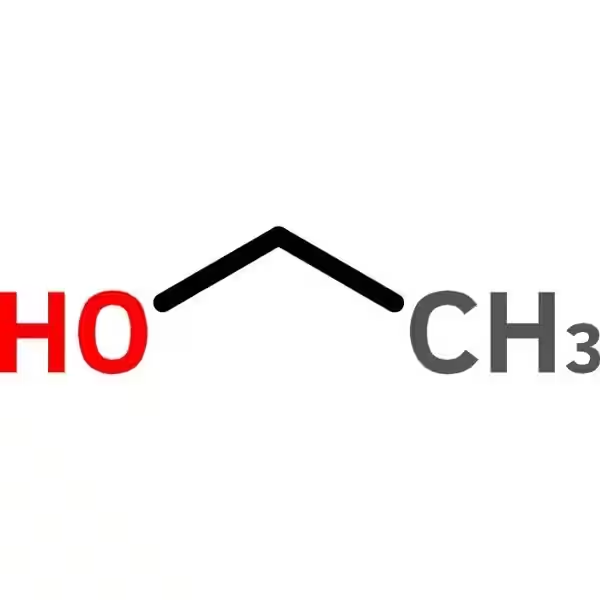
The most common method involves the acid-catalyzed esterification of acrylic acid with ethanol. This reaction, typically carried out in the presence of a strong acid catalyst such as sulfuric acid, yields ethyl acrylate and water as products. Careful control of reaction temperature and pressure is vital to optimize yield and minimize the formation of undesirable byproducts. The process typically involves removing the water formed during the reaction to shift the equilibrium towards product formation.
This traditional method is well-established and provides a reliable route to large-scale production. However, it requires careful handling of corrosive acids and efficient water removal systems.
Reppe Reaction
Alternatively, ethyl acrylate can be synthesized via the Reppe reaction. This process uses acetylene, carbon monoxide, and ethanol as starting materials. The reaction proceeds under high pressure and temperature in the presence of a nickel catalyst. While offering a different synthetic pathway, the Reppe reaction is less widely used industrially compared to the direct esterification method due to the demanding reaction conditions and the handling of potentially hazardous materials.
Applications of Acrylic Acid Ethyl Ester
The diverse applications of acrylic acid ethyl ester stem from its unique chemical structure and reactivity. Its ability to readily participate in polymerization reactions is the cornerstone of its widespread use.
Polymerization and Copolymerization
Ethyl acrylate is a reactive monomer, participating in the formation of both homopolymers (polymers consisting of only ethyl acrylate units) and copolymers (polymers composed of ethyl acrylate and other monomers). These polymers exhibit diverse properties depending on the comonomer used and the polymerization conditions. For example, copolymers with other acrylates or methacrylates can yield materials with tailored flexibility, strength, and adhesion properties; while those with vinyl compounds offer varied characteristics and applications.
The versatility offered by copolymerization is a major factor driving the wide-ranging use of acrylic acid ethyl ester. The ability to "fine-tune" polymer properties by selecting appropriate comonomers makes it an invaluable tool in materials science.
Applications in Various Industries
The resulting polymers and copolymers of acrylic acid ethyl ester find applications across numerous industries:
Paints and Coatings: Ethyl acrylate contributes to the formation of durable, glossy, and weather-resistant coatings used in various applications, including automotive finishes and architectural paints. Its incorporation enhances the film-forming properties and adhesion to different substrates.
Adhesives and Sealants: Acrylic polymers derived from ethyl acrylate exhibit excellent adhesive properties, leading to their use in pressure-sensitive adhesives (like those found in tapes and labels), construction adhesives, and various other bonding applications. The strength and flexibility of these adhesives are key factors in their widespread adoption.
Textiles: Ethyl acrylate can be used to modify textile fibers, improving properties such as water resistance, stain resistance, and softness. This modification can occur during fiber production or as a post-treatment process.
Plastics and Rubber: Homopolymers and copolymers of ethyl acrylate form the basis of various plastics and elastomers. These materials offer a wide range of properties, from flexibility to rigidity, depending on the composition and processing techniques.
Pharmaceuticals: Acrylic acid ethyl ester and its derivatives are also used in the pharmaceutical industry, for instance, as components in coatings for controlled drug release systems. These coatings often offer a protective barrier and regulate the rate at which the active pharmaceutical ingredient is released into the body.
Reactivity of Acrylic Acid Ethyl Ester
Beyond polymerization, acrylic acid ethyl ester exhibits other important reactions that contribute to its utility.
Michael Addition and Other Reactions
Acrylic acid ethyl ester acts as a Michael acceptor, readily undergoing Michael additions with nucleophiles such as amines. This reaction, often catalyzed by Lewis acids, yields β-alanine derivatives—important building blocks in organic synthesis and pharmaceutical chemistry. This reactivity allows for the creation of diverse functionalized molecules.
Additionally, it can participate in Diels-Alder reactions as a dienophile, reacting with dienes to form cyclohexene carboxylic acid esters. This reaction provides another route to cyclic compounds with valuable chemical functionalities.
Safety and Health Considerations
While acrylic acid ethyl ester is a valuable industrial chemical, it's essential to acknowledge its potential hazards.
Acrylic acid ethyl ester is a volatile liquid with a pungent odor. Exposure can cause irritation to the eyes, skin, and respiratory tract. More concerning, it is classified as "possibly carcinogenic to humans" (Group 2B) by the IARC. While the exact mechanisms and extent of its carcinogenic potential require further research, stringent safety protocols and exposure control measures are vital to minimize occupational risks.
The odor threshold is lower than levels posing immediate health risks; however, this should not be relied upon as a sole indicator of safety.
Handling and Storage
Proper ventilation, personal protective equipment (PPE), including gloves, eye protection, and respirators, are crucial when handling acrylic acid ethyl ester. Strict adherence to safety data sheets (SDS) and established occupational exposure limits (OELs) are mandatory. Furthermore, its flammability necessitates careful storage in designated areas away from ignition sources.
In conclusion, acrylic acid ethyl ester is a versatile chemical with widespread applications. However, its safe and responsible use requires a thorough understanding of its reactivity, potential hazards, and proper handling procedures. By adhering to established safety protocols and best practices, the benefits of this important industrial chemical can be harnessed while mitigating associated risks.
Acrylic Acid Ethyl Ester (Ethyl Acrylate) FAQ
What is Ethyl Acrylate?
Ethyl acrylate (CH₂=CHCOOCH₂CH₃) is a colorless liquid with a pungent odor. It's the ethyl ester of acrylic acid and is a crucial building block in many industries due to its high reactivity and versatility. Its primary function is derived from its acrylate group, allowing it to participate in polymerization reactions.
How is Ethyl Acrylate Produced?
Ethyl acrylate is primarily manufactured through the acid-catalyzed esterification of acrylic acid with ethanol. Alternatively, it can be produced via a Reppe reaction from acetylene, carbon monoxide, and ethanol. Commercial preparations often include polymerization inhibitors like hydroquinone.
What are the Main Applications of Ethyl Acrylate?
Its primary application is in polymer production. It's a key component in:
Resins and Plastics: Forming a wide range of plastics and elastomers with varying properties depending on the polymerization technique and added comonomers.
Adhesives and Sealants: Providing excellent adhesive properties in various applications, from construction to pressure-sensitive adhesives.
Coatings: Enhancing the properties of paints, lacquers, and protective coatings, offering durability and gloss.
Textiles: Modifying textile fibers to improve water resistance, stain resistance, and softness.
Pharmaceuticals: Used as a reagent in pharmaceutical synthesis and as a component in pharmaceutical coatings. (e.g., Eudragit)
What are some Specialty Acrylates derived from Ethyl Acrylate?
Through transesterification with different alcohols, ethyl acrylate creates specialty acrylates with diverse applications. Examples include:
2-Ethylhexyl acrylate: Used in pressure-sensitive adhesives.
Cyclohexyl acrylate: Used in automotive coatings.
2-Hydroxyethyl acrylate and 2-Dimethylaminoethyl acrylate: Used as additives in paraffin oils and flocculants in sewage treatment.
What types of Polymers can be made with Ethyl Acrylate?
Ethyl acrylate readily forms both homopolymers (polymers of only ethyl acrylate) and copolymers with various monomers including: ethylene, acrylic acid and its derivatives, methacrylates, acrylonitrile, and vinyl compounds. These copolymers offer a wide range of properties tailored to specific applications.
What is the Chemical Reactivity of Ethyl Acrylate?
Beyond esterification and polymerization, ethyl acrylate acts as a Michael acceptor and HX acceptor. It undergoes:
Michael additions: With amines (catalyzed by Lewis acids) to yield β-alanine derivatives, important in pharmaceutical synthesis.
Diels-Alder reactions: Reacting with dienes to form cyclohexene carboxylic acid esters.
Is Ethyl Acrylate Safe?
Ethyl acrylate is classified as "possibly carcinogenic to humans" (Group 2B) by the IARC. While some human studies show inconclusive results, animal studies indicate increased incidences of certain tumors. It's a potent irritant to the eyes, skin, and respiratory tract. Its flammability also presents a significant hazard. Strict safety protocols and exposure control measures are essential when handling ethyl acrylate. The pungent odor acts as a warning, but it's crucial to minimize occupational exposure.
What Safety Precautions should be taken when handling Ethyl Acrylate?
Handling ethyl acrylate requires strict adherence to safety regulations, including:
Adequate ventilation.
Personal protective equipment (PPE), such as gloves, safety glasses, and respirators.
Careful storage to prevent fire hazards.
Adherence to established exposure limits.
What is the Odor Threshold of Ethyl Acrylate?
The odor threshold of ethyl acrylate is significantly lower than levels posing immediate health risks, serving as a warning property. However, this does not negate the need for stringent safety precautions due to its potential long-term health effects.
What are the FDA regulations regarding Ethyl Acrylate?
Due to its potential carcinogenicity, the FDA revoked its approval for use as a synthetic food flavoring agent.