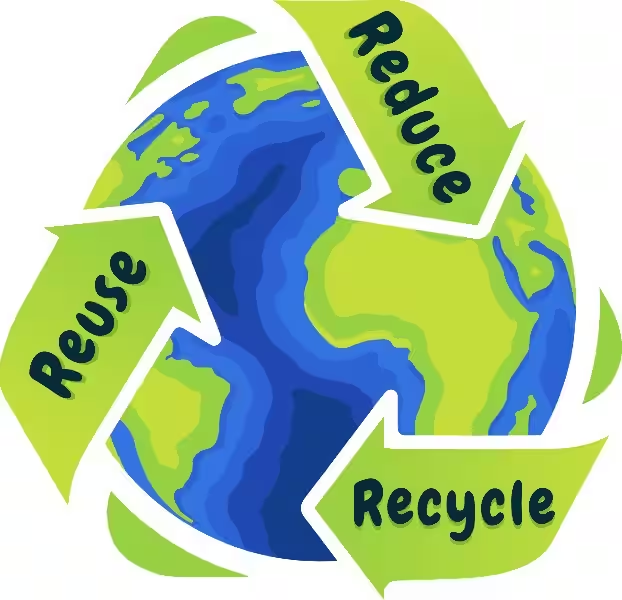
The recycling industry is booming, driven by growing environmental awareness and increasing amounts of waste. This means more opportunities than ever for those seeking a career as a recycling worker. But what does this career entail, and is it the right fit for you? This article explores the diverse roles within the recycling sector, the required skills, and the potential for career growth.
The Recycling Process: From Curbside to Manufacturer
The journey of a recyclable item is surprisingly complex. It begins with collection, often through convenient curbside pickup (increasingly popular with single-stream recycling programs), or at designated drop-off centers. Some regions even utilize deposit systems, offering financial incentives for recycling. Larger sites, such as construction zones, use different methods involving larger bins and specialized trucks.
Once collected, recyclables are transported to a Materials Recovery Facility (MRF). This is where the bulk of the work for a recycling worker takes place. Think of it as a massive sorting center, utilizing a combination of manual labor and automated technologies – powerful magnets, air separators, and more – to separate various materials. The processed materials are then compacted into bales for efficient transport to manufacturers who use them to produce new products.
Key Roles in the Recycling Industry
The recycling industry offers a vast range of jobs, catering to diverse skill sets and educational backgrounds. Here's a closer look at some key roles:
Recyclable Material Collectors (Drivers): These individuals are the backbone of the collection process. They drive trucks, collecting recyclables from various locations. A commercial driver's license (Class A or B) is essential, along with the physical stamina to manage a demanding job. While the median wage in 2010 was $29,610, current wages are likely to be higher and vary by location and employer.
Sorters: Working within the MRF, sorters are crucial in separating different types of recyclables on conveyor belts. This requires excellent visual acuity, physical stamina, and attention to detail. While formal education isn't typically required, the job demands precision. The median wage in 2010 was $23,570, but this is likely outdated.
Mechanics, Technicians, and Machinery Maintenance Workers: Keeping the machinery running smoothly is paramount. These skilled professionals maintain and repair trucks and MRF equipment. Vocational training or apprenticeships are highly beneficial, and wages can be significantly higher than entry-level positions, ranging from $38,780 to $47,280 (2010 data).
Material Recovery Facility (MRF) Managers: These are leadership roles requiring strong organizational and managerial skills. MRF Managers oversee the entire facility's operation, including budgeting, personnel management, safety, and efficiency. A bachelor's or master's degree (MBA or industrial engineering) is often preferred. In 2010, the median wage was a substantial $90,790. This figure is likely much higher now.
Route Managers: These professionals are responsible for optimizing the collection routes, ensuring efficiency and driver performance. Experience in logistics or transportation, coupled with a high school diploma, is beneficial. The median wage in 2010 was $67,720.
Sales Representatives: These individuals are responsible for selling recycling services and processed materials to municipalities and manufacturers, requiring strong communication and sales skills, along with a bachelor's degree. Wages here varied between $52,540 and $56,150 in 2010.
Beyond the specific job titles, there are core skills and personality traits that contribute to success in this field. A recycling worker, regardless of their specific role, needs:
Physical Stamina: Many roles involve prolonged standing, lifting, bending, and carrying heavy items. Good health and physical fitness are essential.
Dexterity and Manual Skill: Especially for sorters, dexterity and precision are crucial for accurately separating various materials.
Attention to Detail: Accurate sorting is paramount; even a small mistake can contaminate a whole batch of recyclables.
Teamwork and Communication: Collaboration is key in a team environment. Effective communication ensures smooth workflow.
Adaptability: The work environment can change, requiring workers to adapt to various conditions and materials.
The Rewards of a Recycling Career
While physically demanding, working in the recycling industry offers numerous rewards. You'll contribute directly to environmental sustainability, making a tangible difference in the world. Furthermore, the industry is growing rapidly, creating increasing job opportunities and potential for career advancement. The work is practical and hands-on, providing immediate and visible results. For those who enjoy physical work and making a positive impact, a career as a recycling worker can be both fulfilling and rewarding.
Frequently Asked Questions about Recycling Worker Careers
What are the different types of jobs in the recycling industry?
The recycling industry offers a variety of jobs, from entry-level positions to management roles. These include: Recyclable Material Collectors (drivers), Sorters, Mechanics/Technicians, Material Recovery Facility (MRF) Managers, Route Managers, and Sales Representatives. Each role requires a different skill set and level of education.
What are the typical duties of a recyclable material collector (driver)?
Recyclable material collectors are responsible for collecting and transporting recyclables from residential and commercial locations to Materials Recovery Facilities (MRFs). This requires a commercial driver's license (Class A or B) and the physical ability to handle demanding work.
What does a sorter do at a Materials Recovery Facility (MRF)?
Sorters separate recyclables at MRFs, often working on conveyor belts. The job requires physical stamina, visual acuity, and attention to detail to accurately identify and sort different materials. While formal education isn't a requirement, the ability to distinguish between recyclable and non-recyclable items is crucial.
What kind of skills are needed for a mechanics/technician position in a recycling facility?
Mechanics and technicians maintain and repair machinery at MRFs and on recycling trucks. A high school diploma or equivalent, along with vocational training or apprenticeship experience, is typically required. Specific skills in machinery repair and maintenance are essential.
What is the role of a Material Recovery Facility (MRF) Manager?
MRF Managers oversee the entire operation of a Materials Recovery Facility. This includes budgeting, managing personnel, ensuring safety, and overseeing the efficient processing of recyclables. A bachelor's or master's degree in a relevant field (like business administration or industrial engineering) is often required.
What does a Route Manager do in the recycling industry?
Route Managers are responsible for planning and optimizing routes for recycling trucks, monitoring driver performance and scheduling. A high school diploma or equivalent is typically required, and experience in logistics or transportation is beneficial.
What are the responsibilities of a Sales Representative in the recycling industry?
Sales Representatives sell recycling services and processed recyclables to municipalities and manufacturers. This role usually requires a bachelor's degree and strong communication and sales skills.
What level of education is typically required for a job in the recycling industry?
The required education varies greatly depending on the specific job. Entry-level positions like sorters and drivers may only require a high school diploma or equivalent, while management and sales roles typically require a bachelor's or even a master's degree.
Is physical fitness important for working in recycling?
Yes, many roles in the recycling industry are physically demanding and require good physical stamina. Jobs like sorters and drivers involve prolonged periods of standing, lifting, bending, and carrying heavy materials.
What kind of personal qualities are beneficial for a recycling worker?
In addition to physical fitness, a successful recycling worker needs attention to detail, keen observation skills, problem-solving abilities, teamwork skills, and good communication skills. Accuracy in sorting is paramount to prevent contamination.
Is there potential for career growth in the recycling industry?
Yes, the recycling industry is growing, creating opportunities for career advancement. Entry-level workers can gain experience and skills to move into more senior roles, such as supervisors or managers.
What is the average salary for recycling workers?
Salaries vary widely depending on the specific job and experience level. Entry-level positions typically have lower salaries, while management and specialized roles offer significantly higher compensation. The provided data represents 2010 figures and should be considered outdated for current salary information. Updated salary data should be sought from current resources.
Where can I find more information about jobs in the recycling industry?
You can find more information from the U.S. Bureau of Labor Statistics (BLS), online job boards, and professional organizations related to waste management and recycling. Your local government's waste management department may also be a good resource for information on local job opportunities.