Air Hose Whip Check: Your Essential Guide to Hose Safety
Air Hose Whip Check: Your Essential Guide to Hose Safety
Air hose whip checks are critical safety components often overlooked until an accident occurs. Understanding their function, proper installation, and maintenance is paramount for preventing serious injuries and equipment damage. This article will guide you through everything you need to know about air hose whip checks and their role in maintaining a safe working environment.
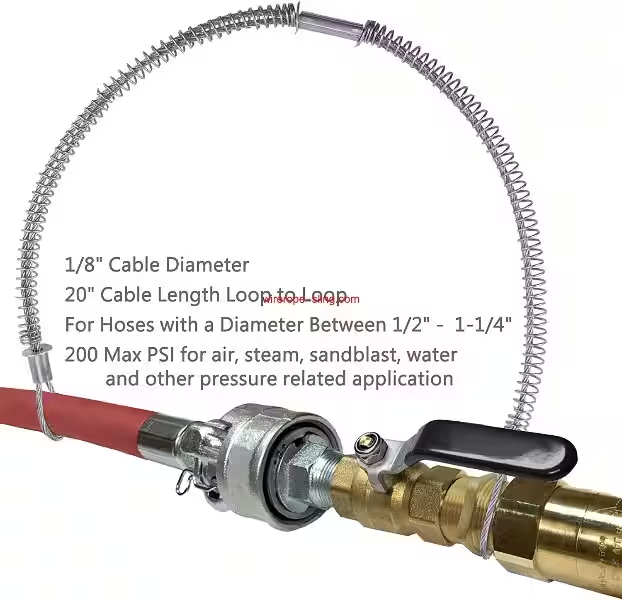
An air hose whip check, also known as a whip arrestor or hose choker cable, is a safety device designed to restrain a pressurized air hose in the event of a failure. Think of it as a safety net for your air hose. If the hose ruptures or a coupling fails, the whip check prevents the hose from whipping around uncontrollably, potentially causing injury to personnel or damage to nearby equipment.
It's a relatively simple device, typically consisting of a spring-loaded loop that easily attaches to hose couplings. This loop provides a secure grip, limiting the hose's movement if something goes wrong. These aren't just for large industrial hoses; even smaller diameter hoses can cause significant damage if they fail under pressure.
Why are Air Hose Whip Checks Important?
The importance of air hose whip checks stems directly from the potential hazards associated with high-pressure air hoses. When a hose fails under pressure, the sudden release of air can propel the hose with considerable force, creating a dangerous projectile.
This is especially true for larger diameter hoses working under even moderate pressures. A swift, uncontrolled whip can cause severe injuries, including lacerations, fractures, and even blindness. The potential for damage to equipment is also significant, leading to costly repairs and downtime. The air hose whip check effectively mitigates these risks.
Legal and Regulatory Compliance
Many safety regulations mandate the use of air hose whip checks for pressurized hoses exceeding a certain diameter. Specific regulations vary by region and industry, but generally, these regulations aim to prevent the hazards associated with uncontrolled hose failure. Failure to comply with these regulations can lead to significant penalties and legal repercussions. It's crucial to consult with your local safety authorities to determine the specific requirements applicable to your workplace.
Proper Installation and Maintenance of Air Hose Whip Checks
The effectiveness of an air hose whip check hinges on proper installation and regular maintenance. Improper installation can render the device useless, negating its intended safety benefits.
Installation Best Practices
Full Extension: The whip check should always be installed fully extended (no slack). This ensures that it can effectively restrain the hose in the event of a failure. Slack in the cable reduces its effectiveness and can lead to a less secure restraint.
Secure Attachment: Ensure the whip check is securely attached to both the hose and the coupling. Double check the connection points regularly.
Regular Inspection: Regularly inspect the whip check for any signs of damage, wear, or corrosion. This includes checking for fraying cables, bent loops, or loose connections. Any damage should be addressed immediately.
Immediate Replacement: Replace the air hose whip check immediately after any failure incident, regardless of how minor the damage might seem. A seemingly minor imperfection can compromise the cable's integrity, rendering it ineffective in a future emergency.
Types and Specifications of Air Hose Whip Checks
Air hose whip checks come in various sizes and materials to accommodate different hose diameters and operating environments. Common factors determining the right whip check include hose size and operating pressure.
Size and Material Considerations
Sizes typically correlate to the hose diameter they're designed to secure. Smaller whip checks are for smaller diameter hoses, while larger versions accommodate larger diameter hoses. Materials range from galvanized steel for general purpose applications to stainless steel with copper ferrules for corrosive environments, ensuring longevity and performance in various settings. Always refer to the manufacturer's specifications to ensure compatibility with your equipment.
Pressure Ratings
Whip checks are rated for specific pressure levels. Always select a whip check with a pressure rating that exceeds the maximum operating pressure of your air hose. Many are designed with a significant safety factor above their rated pressure, providing an extra margin of protection. Check the burst rating as well; this is the pressure at which the whip check will fail, providing a safety buffer beyond the normal operating pressure.
Air Hose Whip Check: A Comprehensive Safety Solution
Performing a thorough air hose whip check is a key element of a comprehensive safety program. It's not a standalone solution, but an important part of a larger strategy that includes regular equipment inspections, proper training, and adherence to all relevant safety regulations. Remember, prevention is always better than cure. Regular inspection and maintenance of your air hose whip checks is a small investment that significantly reduces the risk of serious injury and equipment damage. Don't compromise on safety; ensure your air hoses are properly protected.
Air Hose Whip Check FAQ
What is an air hose whip check?
An air hose whip check, also known as a whip arrestor or hose choker cable, is a crucial safety device designed to prevent serious injuries caused by the uncontrolled whipping of pressurized air hoses. It's a spring-loaded loop that attaches to hose couplings, restraining the hose in the event of a failure (e.g., a burst hose or coupling detachment). This prevents the hose from becoming a dangerous projectile. These are mandatory for hoses exceeding ½ inch in diameter under many safety regulations.
Why are air hose whip checks necessary?
High-pressure air hoses can pose significant risks if they fail. A sudden release of pressure can cause the hose to whip violently, potentially causing serious injury to personnel or damage to equipment. Whip checks mitigate this danger by restraining the hose, limiting its movement, and preventing uncontrolled whipping. They are a critical component in maintaining a safe working environment, particularly in industrial settings.
How does an air hose whip check work?
The whip check consists of a spring-loaded loop that's attached to the hose coupling. In the event of a hose failure, the spring mechanism engages, restricting the hose's movement and preventing it from whipping. For optimal performance, it should be installed fully extended (no slack).
What are the different types of air hose whip checks?
Whip checks are available in various sizes to accommodate different hose diameters (typically from ½ inch to 4 inches). They also come in different configurations: hose-to-hose and hose-to-tool, with varying loop sizes to match the specific application. Some are made from stainless steel with copper ferrules for use in corrosive environments.
Proper installation is critical. The whip check should be installed fully extended, with no slack, to ensure maximum effectiveness. The cable should be centered on the hose connection whenever possible. Always refer to the manufacturer's specific instructions provided with the product.
How often should I inspect my air hose whip check?
Regular inspection is vital. You should visually inspect the whip check for any signs of wear, damage, or corrosion before each use. Any damage necessitates immediate replacement.
What should I do if my air hose whip check fails?
If a whip check fails (e.g., if the cable is damaged or breaks during a hose failure), it must be immediately replaced. A damaged whip check compromises its safety function and should never be reused.
What are the relevant safety regulations regarding air hose whip checks?
While not directly certified by MSHA or OSHA, air hose whip checks are designed to meet the requirements of regulations like 30 CFR § 56.13021 (MSHA) and 29 CFR § 1926.302(b)(1) (OSHA), which mandate safety devices for high-pressure hose connections to prevent hazards from connection failures. These regulations often specify the use of safety chains or similar locking devices for hoses of ¾-inch inside diameter or larger.
What is the pressure rating of a typical air hose whip check?
Whip checks typically have a pressure rating, which specifies the maximum safe operating pressure. Many are rated for 200 PSI air service with a significantly higher burst pressure (e.g., 5X safety factor), ensuring a substantial safety margin. Always check the manufacturer's specifications for the exact rating of your specific whip check.
Where can I find more information about air hose whip checks and related safety products?
Contact the manufacturer directly or consult their website for detailed specifications, installation instructions, and information on their full range of safety products, including high-pressure cable chokers, whip stop safety restraint systems, and nylon hose safety restraints. Consult relevant safety regulations in your jurisdiction for specific requirements.