Understanding Your Chemical Inventory List: A Guide to Regulatory Compliance and Safety
Understanding Your Chemical Inventory List: A Guide to Regulatory Compliance and Safety
Maintaining a comprehensive and accurate chemical inventory list is crucial for businesses handling chemicals, whether in manufacturing, research, or other applications. This isn't just about keeping track of what you have; it's about ensuring regulatory compliance and, most importantly, workplace safety. This article will explore the importance of a detailed chemical inventory list and the implications of its inaccuracies.
The Importance of a Detailed Chemical Inventory List
A well-maintained chemical inventory list is far more than a simple spreadsheet. It's a dynamic document that reflects the ever-changing landscape of your chemical holdings. Think of it as the central nervous system of your chemical management system. It's the foundation upon which safe handling procedures, regulatory compliance, and effective waste management are built.
Accurate record-keeping is paramount. Imagine the chaos of trying to respond to an emergency spill without knowing exactly what chemicals are involved, their potential hazards, and their proper handling procedures. This is where a precise chemical inventory list steps in, offering immediate access to critical information.
Benefits of a Detailed Inventory
Enhanced Safety: Instant access to Safety Data Sheets (SDS) allows for quick identification of hazards and implementation of appropriate safety measures.
Regulatory Compliance: Accurate inventory data is essential for meeting regulatory requirements like those under the Toxic Substances Control Act (TSCA).
Improved Efficiency: Knowing precisely what chemicals you have avoids unnecessary purchases and reduces the risk of expired or unusable materials.
Waste Management: Tracking chemical use facilitates proper waste disposal and minimizes environmental impact.
Cost Savings: A well-managed inventory helps prevent losses due to chemical degradation or theft.
Beyond these immediate benefits, a detailed chemical inventory list provides a historical record of chemical usage, which can prove invaluable for auditing purposes, trend analysis, and continuous improvement initiatives. This historical data forms the backbone of any meaningful safety assessment and contributes to a proactive safety culture.
The Toxic Substances Control Act (TSCA) and Chemical Inventories
The United States Environmental Protection Agency (EPA) maintains the TSCA Chemical Substance Inventory, a crucial database listing chemicals manufactured, processed, or imported into the U.S. This inventory is a cornerstone of regulatory compliance under TSCA. Understanding this inventory is essential for businesses operating within these legal frameworks.
The TSCA Chemical Substance Inventory isn't merely a list; it's a dynamic, evolving database. Chemicals are added and updated regularly, reflecting the constant innovation and changes within the chemical industry. Staying current with this inventory is crucial to ensure continued legal compliance and mitigate potential risks.
Understanding TSCA Exemptions and Exclusions
It's critical to understand that the TSCA Chemical Substance Inventory does not include all chemicals. Some are exempt or excluded from TSCA regulations based on specific criteria. These exemptions and exclusions are carefully defined within TSCA legislation and its subsequent amendments. Failure to understand these nuances could lead to unintentional non-compliance.
This requires a deep understanding of TSCA's complex regulatory landscape and its ever-evolving nature. Consult your legal counsel or a qualified environmental consultant to ensure complete understanding. A thorough knowledge of exemptions and exclusions allows you to build a comprehensive and legally compliant chemical inventory list.
Building and Maintaining Your Chemical Inventory List
Creating a robust chemical inventory system requires careful planning and consistent effort. The system you choose should be tailored to the specific needs of your operation, considering factors such as the number of chemicals, frequency of use, and storage locations.
Whether you opt for a simple spreadsheet, a dedicated chemical management software, or a combination of both, the key is consistency. Regular updates are paramount; this isn't a "set it and forget it" process. Regular updates are crucial to ensure accuracy and reflect actual inventory levels.
Best Practices for Chemical Inventory Management
Establish a clear system: Decide on a consistent method for tracking chemicals, including labeling, storage, and record-keeping.
Use a centralized database: Opt for a system that allows for easy access to information from all locations.
Regularly audit your inventory: Conduct physical inventory checks to verify accuracy against your records.
Implement a robust labeling system: Clearly label containers with appropriate chemical identification, hazard warnings, and date of receipt.
Secure chemical storage areas: Ensure proper storage conditions to prevent chemical degradation or accidental spills.
By following these best practices, you can create a chemical inventory list that is not only accurate and comprehensive but also easily manageable and accessible. This proactive approach helps minimize risks and ensures regulatory compliance.
The Implications of Inaccurate Chemical Inventory Lists
The consequences of an inaccurate chemical inventory list can be severe. It could lead to improper handling procedures, compromising worker safety. Furthermore, it can result in non-compliance with environmental regulations, leading to hefty fines and legal repercussions.
Beyond the obvious legal and safety implications, inaccuracies in your chemical inventory list can also affect your operational efficiency and overall profitability. An incomplete or inaccurate inventory can lead to wasted resources, excessive purchasing, and inefficient workflow. Therefore, maintaining an accurate chemical inventory list isn't just a matter of compliance; it's a cornerstone of responsible and efficient business practices. Remember that the disclaimer associated with many online chemical search engines highlights the crucial need for independent verification of all chemical information. Always double check data from multiple sources. Relying solely on a single online source without independent verification can have serious consequences.
Chemical Inventory List FAQ
Here are some frequently asked questions about chemical inventory lists, specifically focusing on those regulated under the Toxic Substances Control Act (TSCA) in the United States. Remember that the accuracy and completeness of any specific inventory should be independently verified.
What is a Chemical Inventory List?
A chemical inventory list is a database containing information on chemical substances manufactured, processed, or imported into the United States. It's primarily maintained by the Environmental Protection Agency (EPA) under the Toxic Substances Control Act (TSCA). The list includes chemicals that are not exempt or excluded under TSCA regulations.
Why is a Chemical Inventory List Important?
Chemical inventory lists are crucial for several reasons:
Regulatory Compliance: They are essential for businesses to ensure compliance with TSCA and other relevant regulations. Knowing whether a chemical is listed informs manufacturers, importers, and processors of their obligations.
Risk Assessment: The inventory helps in assessing the potential risks associated with various chemical substances.
Tracking Chemicals: It allows for tracking the movement of chemicals in commerce within the U.S.
Research: The list serves as a valuable resource for researchers studying chemicals and their effects.
EPA Enforcement: The EPA uses the inventory to enforce TSCA regulations.
What Information Does a Chemical Inventory List Contain?
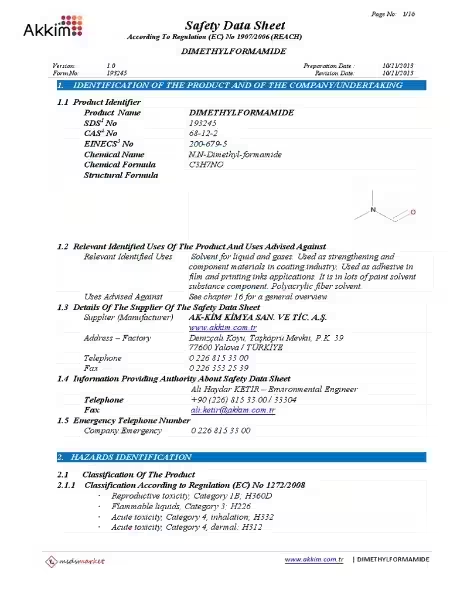
The specific information included can vary, but generally, a comprehensive chemical inventory list will include at least the chemical's name and identifier (like CAS Registry Number). Further details may include chemical structure, uses, manufacturers, and potentially hazard information. However, the level of detail can be inconsistent across different inventories and databases.
No. The TSCA inventory explicitly excludes certain chemicals due to exemptions and exclusions outlined in the act. This means that the absence of a chemical from the inventory does not necessarily mean it's not used or present in the U.S.
How Can I Access a Chemical Inventory List?
The primary source for the TSCA inventory is the EPA's website. However, numerous third-party databases and search engines also provide access to chemical information, but it's crucial to verify the accuracy and reliability of these sources. Remember that third-party sources often include disclaimers regarding the accuracy and completeness of their data.
What are TSCA Exemptions and Exclusions?
TSCA allows for exemptions and exclusions of certain chemicals from the inventory. These are specific provisions within the act that may exempt certain chemicals from certain regulations or entirely exclude them from the inventory's scope. The specifics of these exemptions and exclusions are detailed within the TSCA legislation itself. Understanding these nuances is crucial for accurate interpretation of the inventory's contents.
Who is Responsible for Maintaining the Chemical Inventory List?
The Environmental Protection Agency (EPA) is responsible for maintaining and updating the TSCA Chemical Substance Inventory.
What if I find conflicting information regarding a chemical's status in the inventory?
Always prioritize information directly from the EPA website. If discrepancies exist between different sources, consult multiple reputable sources and potentially seek expert advice to resolve the conflict. The potential consequences of relying on inaccurate information can be significant.
Is the Chemical Inventory List a global resource?
No. The TSCA inventory focuses specifically on chemicals manufactured, processed, or imported into the United States. Other countries have their own chemical inventories and regulatory frameworks.
What should I do if I suspect an error in the inventory information?
Contact the EPA directly to report any suspected inaccuracies or omissions. Providing as much detail as possible, including supporting evidence, will aid in their review process.