Understanding Dimethylformamide MSDS: A Comprehensive Guide
Understanding Dimethylformamide MSDS: A Comprehensive Guide
Understanding the safety and handling procedures for chemicals is paramount in any laboratory or industrial setting. This is especially true for substances like dimethylformamide (DMF), a versatile solvent with widespread applications. A crucial document for anyone working with DMF is its Material Safety Data Sheet (MSDS), often now referred to as a Safety Data Sheet (SDS). This guide will help you navigate the information within a dimethylformamide MSDS and understand its importance.
The Dimethylformamide MSDS, or more accurately the Safety Data Sheet (SDS) now, is a comprehensive document detailing the properties, hazards, and safe handling procedures of dimethylformamide. It's a vital resource for anyone involved in the manufacturing, transportation, use, or disposal of this chemical. Think of it as the chemical's "instruction manual" for safety. It goes beyond a simple label warning, providing in-depth information necessary for informed decision-making.
This document compiles data from various sources, including the manufacturer's own testing and research, as well as industry standards and regulations. It is legally required in many countries and serves as a crucial piece of information for risk assessment and hazard management. Understanding its contents is key to ensuring workplace safety and environmental protection.
Key Information Found in a Dimethylformamide MSDS
A typical dimethylformamide MSDS is structured to provide quick access to critical safety information. While the specific format might vary slightly between manufacturers, certain key sections are always included. Understanding these sections is key to safe handling and usage.
Section 1: Identification
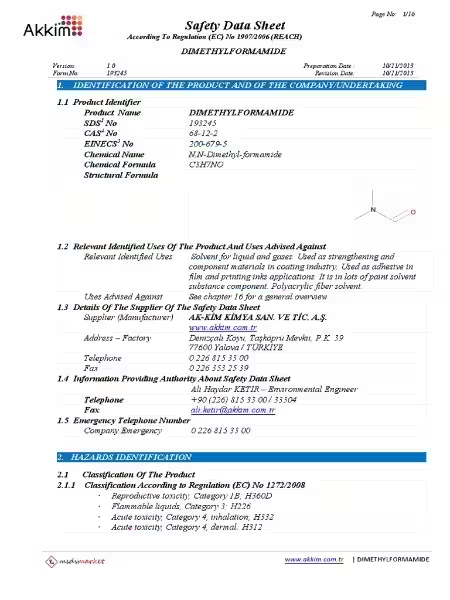
This section provides the basic information about the chemical, including its name (dimethylformamide), chemical formula (C₃H₇NO), CAS number (68-12-2), and manufacturer's contact information. This is where you'll find the most basic identifying information, crucial for accurate record-keeping and emergency response. Accurate identification is the first step in safe handling, allowing for quick access to relevant safety protocols.
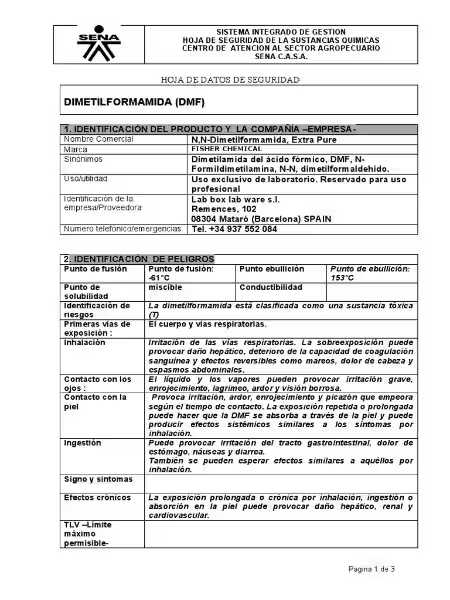
This section outlines the potential hazards associated with dimethylformamide. It will clearly list the health hazards (such as potential for liver damage, reproductive toxicity, and respiratory irritation), physical hazards (flammability), and environmental hazards. This section is crucial for understanding the risks involved and implementing appropriate control measures.
Section 3: Composition/Information on Ingredients
This section specifies the exact composition of the product, including any impurities or additives. For pure dimethylformamide, this will be straightforward, but for mixtures, this section will outline the proportions of each component. This information is essential for understanding the potential hazards that may arise from the presence of any additional substances.
Section 4: First-Aid Measures
This section provides detailed instructions on how to respond to exposure to dimethylformamide. It will outline the steps to take in case of skin contact, eye contact, inhalation, or ingestion. This is a critical section, and familiarizing yourself with its contents is vital for prompt and effective response to any incident. Remember, time is of the essence in an emergency situation.
Section 5: Fire-Fighting Measures
This vital section details the appropriate extinguishing methods for fires involving dimethylformamide. It specifies suitable extinguishing agents (e.g., carbon dioxide, dry chemical powder), and also lists the hazards that firefighters might encounter during an incident. This section is crucial for emergency preparedness and response. Understanding the specific hazards associated with DMF fires is important to avoid further risks.
Section 6: Accidental Release Measures
This section outlines the procedures for handling spills or leaks of dimethylformamide. This includes personal protective equipment (PPE) requirements, spill containment methods, and cleanup procedures. This section emphasizes the importance of proper containment to prevent further exposure and environmental contamination.
This section provides critical guidance on the safe handling and storage of dimethylformamide. It will list appropriate PPE, storage conditions (temperature, ventilation), and any incompatible materials that should be avoided. Following these guidelines is crucial for preventing accidents and maintaining a safe work environment.
Section 8: Exposure Controls/Personal Protection
This section details the measures to minimize exposure to dimethylformamide. This includes specifying appropriate engineering controls (ventilation), and personal protective equipment (PPE) such as gloves, eye protection, and respirators. Choosing the right PPE is crucial for protecting workers from potential health hazards.
Section 9: Physical and Chemical Properties
This section provides detailed information about the physical and chemical characteristics of dimethylformamide, such as its boiling point, melting point, density, and solubility. This information is useful for understanding its behavior and handling requirements.
Section 10: Stability and Reactivity
This section describes the stability of dimethylformamide under various conditions, including its reactivity with other substances and the potential for hazardous decomposition products. Understanding the reactivity of DMF helps to prevent hazardous situations.
Section 11: Toxicological Information
This section provides comprehensive information on the health effects of dimethylformamide exposure, including acute and chronic effects. This includes information on routes of exposure, symptoms of exposure, and potential long-term health consequences. This section highlights the importance of preventative measures to avoid health issues.
Section 12: Ecological Information
This section provides information on the environmental impact of dimethylformamide, including its toxicity to aquatic organisms and its potential for bioaccumulation. This information is critical for responsible environmental stewardship.
This section outlines proper methods for the disposal of dimethylformamide and its waste, emphasizing compliance with local, regional, and national regulations. Safe disposal is crucial for environmental protection.
Section 14: Transport Information
This section gives information about regulations for the safe transportation of dimethylformamide. This includes the proper classification and labelling requirements for various transport modes. Adhering to these regulations is essential for safe transportation.
Section 15: Regulatory Information
This section summarizes the relevant regulations and legal requirements pertaining to dimethylformamide. This section facilitates compliance with the governing laws and regulations.
Section 16: Other Information
This section includes any additional information relevant to the safe handling and use of dimethylformamide. This section may include references to other relevant documents.
By carefully reviewing and understanding the information presented in a dimethylformamide MSDS, individuals can significantly reduce the risks associated with handling this versatile yet potentially hazardous chemical. Always consult the most up-to-date version of the MSDS provided by the manufacturer. Remember, safety is paramount.