Understanding Methyl Cyanide MSDS: A Comprehensive Guide
Understanding Methyl Cyanide MSDS: A Comprehensive Guide
Finding reliable information on hazardous chemicals is crucial for safety. This article aims to provide a clear and accessible overview of the information typically found in a Methyl Cyanide MSDS (Material Safety Data Sheet), helping you understand the potential risks and necessary safety precautions. Remember, this is for informational purposes only and should not replace consulting the official MSDS for the specific product you are working with. Always refer to the manufacturer's provided MSDS for the most accurate and up-to-date information.
What is Methyl Cyanide and Why is the MSDS Important?
Methyl cyanide, also known as acetonitrile, is a colorless, volatile liquid with a slightly ethereal odor. It's widely used as a solvent in various industrial processes, including the production of pharmaceuticals, plastics, and fibers. Its chemical formula is CH₃CN. Because of its volatile nature and potential health hazards, understanding its properties and handling precautions is paramount.
The MSDS (Material Safety Data Sheet) is a crucial document that details the properties, hazards, and safe handling procedures for a chemical substance. The methyl cyanide MSDS is your primary source for understanding the risks associated with this chemical and how to mitigate them. It's legally required in many jurisdictions to have an MSDS readily available for all hazardous chemicals used or stored in a workplace.
Key Information Found in a Methyl Cyanide MSDS
A typical methyl cyanide MSDS will encompass several key sections, providing comprehensive data on the chemical's characteristics and safety implications. Let's explore some of the most important sections.
Identification
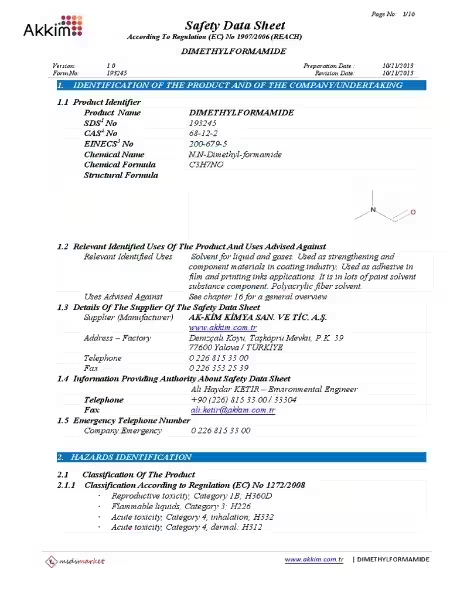
This section provides the chemical name (methyl cyanide or acetonitrile), synonyms, CAS number (75-05-8), and manufacturer's information. It's the starting point for ensuring you're dealing with the correct substance. The CAS number is a unique identifier used globally to track the chemical.
The manufacturer's information is vital for obtaining further clarification or assistance if needed. It should also specify the emergency contact information.
Hazard Identification
This critical section details the potential health hazards, physical hazards, and environmental hazards associated with methyl cyanide. It will typically list the potential health effects, such as:
Acute exposure: Eye, skin, and respiratory irritation; dizziness; headache; nausea; vomiting; and in severe cases, loss of consciousness.
Chronic exposure: Liver and kidney damage; neurological effects.
The hazard identification section will also classify the chemical according to various hazard classification systems, such as GHS (Globally Harmonized System of Classification and Labelling of Chemicals).
Composition/Information on Ingredients
This section lists the chemical composition of the product. For pure methyl cyanide, this will simply be acetonitrile. However, some commercial products might contain additives or impurities, which will be listed here. Knowing the exact composition is important for understanding the overall hazard profile.
This section usually includes the percentages of each component and their associated hazards. Knowing the purity level is crucial for calculating exposure limits and understanding potential interactions.
First-Aid Measures
This part provides crucial instructions on what to do in case of accidental exposure. It will outline specific procedures for:
Skin contact: Immediate washing with soap and water.
Eye contact: Immediate flushing with plenty of water for at least 15 minutes.
Ingestion: Do NOT induce vomiting. Seek immediate medical attention.
It is crucial to remember that these are general guidelines. Always seek immediate medical attention following any exposure.
Fire-Fighting Measures
This section provides guidance on how to extinguish a fire involving methyl cyanide. Because it's flammable, appropriate extinguishing agents like alcohol-resistant foam, carbon dioxide, or dry chemical extinguishers should be used. The MSDS will also specify any special firefighting procedures or precautions to take.
It's critical to understand the specific hazards associated with fighting a fire involving this chemical, including the potential for toxic fumes. Proper personal protective equipment (PPE) is essential.
Accidental Release Measures
This section outlines the steps to take in case of a spill or leak. This includes containment procedures, cleanup methods, and personal protective equipment (PPE) requirements for cleanup personnel. The MSDS will likely emphasize the need for good ventilation and the avoidance of ignition sources.
The specific procedures will depend on the scale of the spill, but generally involve preventing further spread, absorbing the spill, and disposing of the contaminated materials properly.
Handling and Storage
This section details safe handling and storage practices for methyl cyanide. This includes recommendations for appropriate containers, ventilation requirements, and temperature control. It will likely emphasize the need to store it away from incompatible materials and ignition sources.
Proper handling prevents accidental exposure and reduces the risk of fire or other hazards. Always follow the manufacturer's recommendations carefully.
Exposure Controls/Personal Protection
This section specifies the necessary personal protective equipment (PPE) to wear when handling methyl cyanide. This might include:
Respiratory protection: Appropriate respirators depending on the concentration.
Eye protection: Safety goggles or face shields.
Skin protection: Chemical-resistant gloves and clothing.
Exposure limits, such as the permissible exposure limit (PEL) and threshold limit value (TLV), will also be specified. These values represent the maximum concentration of the chemical allowed in the workplace air.
Physical and Chemical Properties
This section lists the physical and chemical properties of methyl cyanide, such as its boiling point, melting point, density, and solubility. This information is essential for understanding its behavior and handling requirements.
This data is also crucial for engineers and scientists performing risk assessments and selecting appropriate safety measures.
Stability and Reactivity
This section details the chemical stability of methyl cyanide and its reactivity with other substances. It will identify any conditions that could lead to hazardous reactions, such as contact with strong oxidizing agents.
Understanding potential reactivity is key to preventing hazardous situations.
Toxicological Information
This section provides detailed information on the potential health effects of methyl cyanide, based on toxicological studies. It will provide information on acute and chronic toxicity, as well as any specific target organs.
This information is essential for assessing the risks of exposure and determining the appropriate medical treatment in case of an incident.
Ecological Information
This section discusses the environmental impact of methyl cyanide, including its potential toxicity to aquatic life and its persistence in the environment. It provides information relevant for proper disposal and environmental protection.
Responsible handling and disposal are crucial for minimizing environmental impact.
Disposal Considerations
This section outlines the proper methods for disposing of methyl cyanide waste, in compliance with all applicable regulations. It may specify approved disposal methods and regulated waste codes.
Improper disposal can lead to environmental contamination and legal consequences. Always follow local regulations and guidelines.
Transport Information
This section contains information relevant to the safe transportation of methyl cyanide, including the appropriate shipping classifications and precautions to be taken during transport.
Adhering to these guidelines ensures safe transportation and prevents accidents.
Regulatory Information
This section lists any relevant regulations and legal requirements pertaining to the handling, storage, and disposal of methyl cyanide. It will vary depending on the jurisdiction.
Compliance with these regulations is crucial to avoid legal penalties and ensure worker safety.
Other Information
This section may contain additional information, such as references, preparation dates, and revisions to the MSDS. It's important to review this section for any updates or clarifications.
This part often includes specific recommendations and warnings for safe handling, storage, and use of the chemical. Always review the entire document carefully.
By understanding the information contained within a methyl cyanide MSDS, you can significantly improve safety in handling this chemical. Remember to always consult the official MSDS provided by the manufacturer for the most accurate and up-to-date information. Safety should always be the top priority when working with hazardous materials.