Understanding 2-Propanone MSDS: A Comprehensive Guide
Understanding 2-Propanone MSDS: A Comprehensive Guide
Understanding the safety implications of working with chemicals is paramount. This is particularly true for substances like 2-propanone, also known as acetone, a common solvent used in various industries. A crucial resource for navigating these safety concerns is the Material Safety Data Sheet (MSDS), often now referred to as Safety Data Sheet (SDS). This article aims to demystify the 2-propanone MSDS, highlighting key information crucial for safe handling and responsible use.
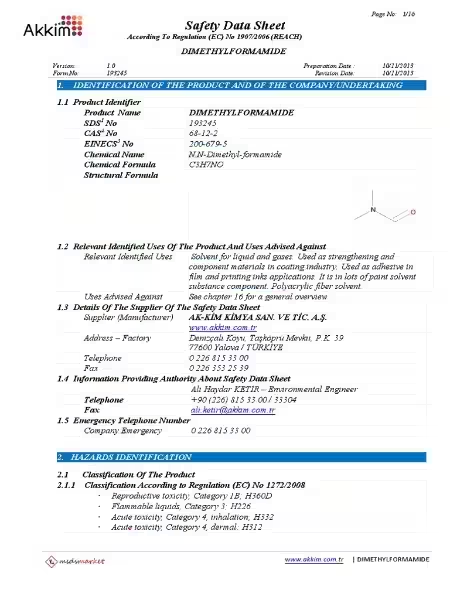
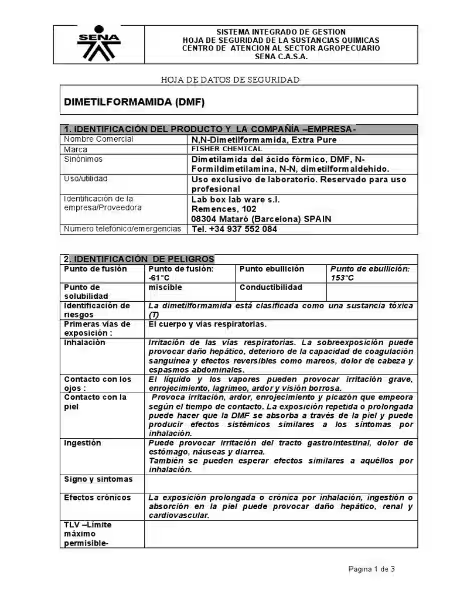
The 2-propanone MSDS, or more accurately, the SDS for 2-propanone, is a comprehensive document that provides detailed information about the chemical's properties, hazards, and safe handling procedures. It's a legally mandated document that serves as a vital safety resource for anyone working with or around this chemical. Think of it as a concise yet thorough guide to responsible chemical management.
This document is not just for lab technicians; it's essential for anyone involved in the transportation, storage, or use of 2-propanone, from industrial workers to those in educational settings. Understanding the information contained within is crucial for minimizing risks and ensuring a safe working environment.
Key Information Found in the 2-Propanone SDS
The 2-propanone SDS typically includes several key sections, each addressing a specific aspect of the chemical's safety profile. These sections provide a structured overview of the hazards and precautions necessary for its safe handling and use. Let's explore some of the most crucial sections:
Identification
This section provides basic information about the chemical, including its name (2-propanone, acetone), CAS registry number (67-64-1), and manufacturer's contact information. This is the starting point for identifying the exact chemical you are working with, ensuring you're using the correct safety protocols.
Furthermore, it usually gives synonyms or other names the chemical might be known by, which is helpful when searching for information from diverse sources.
This crucial section details the potential health hazards associated with 2-propanone exposure. It typically lists the potential health effects, including:
Acute effects: These are immediate effects that can occur upon exposure, such as skin or eye irritation, respiratory irritation, and central nervous system depression. The severity depends on the concentration and duration of exposure.
Chronic effects: These are long-term effects that may develop over time with repeated exposure. These can include organ damage, particularly to the liver and kidneys.
The SDS will clearly state the potential dangers, outlining the extent of the hazards, such as flammability and potential for irritation.
Composition/Information on Ingredients
This section will specify the precise composition of the 2-propanone product, including any impurities or additives. This is vital for understanding potential variations in hazard profiles depending on the specific formulation.
Knowing the exact ingredients is important for choosing appropriate personal protective equipment (PPE) and implementing the correct safety procedures for handling the specific product.
First-Aid Measures
This section outlines the appropriate first-aid procedures in case of accidental exposure. Detailed steps for addressing skin contact, eye contact, inhalation, and ingestion are provided. These instructions are crucial for immediate response in emergency situations.
It's important to understand that immediate and appropriate first aid can significantly reduce the severity of potential health impacts. Always consult with medical professionals following any exposure incident.
Fire-Fighting Measures
2-propanone is highly flammable. This section of the 2-propanone MSDS details appropriate fire-fighting techniques and extinguishing agents, including the recommended types of fire extinguishers to use.
It also usually includes guidelines for evacuation procedures and special precautions to take during a fire involving 2-propanone.
This section provides guidance on how to handle spills or leaks of 2-propanone. It will outline steps to take to contain and clean up the spill safely, minimizing environmental impact and preventing further exposure.
The information often includes recommendations for personal protective equipment to be worn during cleanup and the proper disposal methods for contaminated materials.
Handling and Storage
This section provides crucial information on the safe handling and storage of 2-propanone. It will detail necessary precautions, such as proper ventilation, temperature control, and incompatible materials to avoid.
This section is critical for preventing accidents and maintaining a safe working environment. Following the guidelines ensures the long-term safety of both the workers and the surrounding environment.
Exposure Controls/Personal Protection
This section describes the necessary measures to control exposure to 2-propanone. It specifies appropriate personal protective equipment (PPE), such as gloves, eye protection, and respiratory protection.
It often provides engineering controls, like ventilation systems, to minimize exposure risks.
Physical and Chemical Properties
This section lists the physical and chemical properties of 2-propanone, such as its boiling point, melting point, density, and flammability. This information is useful for understanding its behavior and potential hazards.
Knowing these properties is useful for risk assessment, safe handling and choosing appropriate containment and disposal methods.
Stability and Reactivity
This section details the chemical stability of 2-propanone and its potential reactivity with other substances. It addresses potential hazards arising from chemical reactions and decomposition.
Understanding reactivity helps in preventing potentially hazardous situations by avoiding incompatible materials and storing 2-propanone appropriately.
Toxicological Information
This provides detailed information on the health effects of 2-propanone exposure, including acute and chronic effects. This helps assess the potential risks associated with different levels of exposure.
This section is vital for risk assessment and developing appropriate safety measures to minimize health impacts.
Ecological Information
This describes the environmental impact of 2-propanone, including its effects on aquatic life and potential for bioaccumulation. This is crucial for responsible environmental stewardship.
This section guides environmentally-conscious handling and disposal procedures.
Disposal Considerations
This section explains the proper methods for disposing of 2-propanone and its containers. It emphasizes the importance of following local, regional, and national regulations.
Safe and responsible disposal is crucial for minimizing environmental impact.
Transport Information
This section provides information relevant to the safe transportation of 2-propanone, including transportation classifications and required safety precautions. This section is critical for those involved in shipping or handling 2-propanone.
This information aligns with regulatory requirements for safe shipment and helps prevent accidents during transportation.
Regulatory Information
This section summarizes relevant regulations and legislation concerning the handling, storage, and disposal of 2-propanone. This section helps ensure compliance with legal requirements.
Staying up-to-date with regulations is crucial for maintaining compliance and preventing legal issues.
Other Information
This section may contain additional information relevant to the safe handling and use of 2-propanone. This section might include specific warnings, precautions, or references to other relevant documents.
This section often provides valuable supplementary information to enhance safety practices.
By understanding the information contained within the 2-propanone MSDS, individuals can significantly reduce the risks associated with handling this common yet potentially hazardous chemical. Always consult the most up-to-date SDS provided by the manufacturer before handling 2-propanone.