Understanding Your D-Limonene MSDS: A Comprehensive Guide
Understanding Your D-Limonene MSDS: A Comprehensive Guide
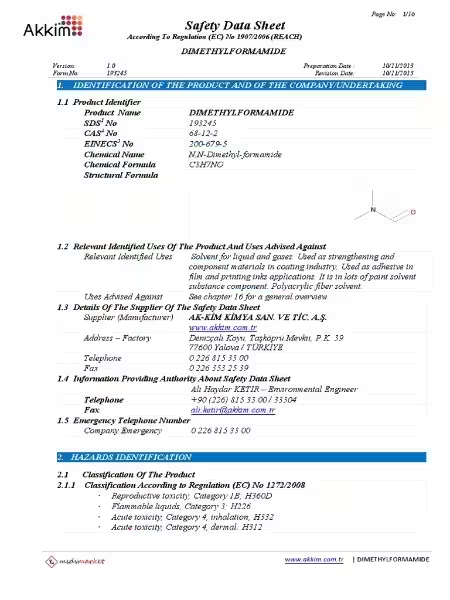
Understanding the safety data sheet (SDS), often called the Material Safety Data Sheet (MSDS), for any chemical is crucial, especially for those working with it regularly. This is particularly true for d-limonene, a popular and versatile compound with widespread applications. This article aims to demystify the information found within a typical d-limonene MSDS, helping you navigate the often dense technical details and understand the crucial safety precautions.
The d-limonene MSDS is a document that provides comprehensive information on the hazards associated with handling, storing, and using d-limonene. It's a legally mandated document designed to protect workers and consumers from potential risks. The information contained within is vital for ensuring safe workplace practices and minimizing the potential for accidents or health problems.
Think of the MSDS as your primary resource for understanding the inherent properties and potential dangers of d-limonene. It goes beyond simple warnings, providing detailed chemical and physical data, potential health hazards, and recommended handling procedures. This ensures informed decision-making and promotes a safer working environment.
Key Information Found in a D-Limonene MSDS
A typical d-limonene MSDS will contain several sections, each addressing a specific aspect of safety and handling. While the exact format might vary slightly between manufacturers, the core information remains consistent.
Chemical and Physical Properties
This section details the fundamental characteristics of d-limonene, such as its molecular formula (C₁₀H₁₆), molecular weight, appearance (generally a colorless liquid), odor (characteristic citrus scent), boiling point, flash point, and density. This information is essential for understanding the chemical's behavior and its potential for flammability or reactivity. Understanding these properties helps determine appropriate storage and handling procedures.
This crucial section outlines the potential health hazards associated with d-limonene exposure. It typically includes information on acute and chronic health effects, including:
Skin contact: Irritation, sensitization
Eye contact: Irritation
Inhalation: Irritation of the respiratory tract
Ingestion: Gastrointestinal irritation
The MSDS will also specify the severity of these effects and any potential long-term consequences. It's important to note that even though d-limonene is derived from natural sources, it can still pose significant health risks if not handled properly.
First Aid Measures
This section provides step-by-step instructions on what to do in case of accidental exposure. It will outline the necessary actions for skin contact, eye contact, inhalation, and ingestion. This information is critical for quickly and effectively addressing any incident, minimizing potential harm. Always have a readily accessible first-aid kit and familiarize yourself with the procedures outlined in the MSDS.
Accidental Release Measures
This section details the procedures to follow in case of a spill or leak. It provides guidance on containment and cleanup methods, emphasizing the importance of personal protective equipment (PPE) during these operations. This section often includes information on appropriate absorbents and disposal methods for contaminated materials. Proper cleanup is crucial to prevent further exposure and environmental contamination.
Handling and Storage
This section provides crucial instructions on how to safely handle and store d-limonene. It will specify the appropriate PPE, such as gloves, eye protection, and respiratory protection, necessary to minimize exposure. The MSDS will also outline recommended storage conditions, such as temperature, ventilation, and compatibility with other materials. This section often emphasizes the importance of preventing ignition sources near storage areas due to d-limonene's flammability.
This section expands on the handling and storage recommendations by specifically outlining the necessary personal protective equipment (PPE) and engineering controls. It might recommend specific types of gloves, respirators, and eye protection depending on the level of exposure. The section might also discuss ventilation requirements to maintain safe air quality levels.
Physical and Chemical Properties (Detailed)
This section provides more in-depth information on the physical and chemical properties of d-limonene, like its refractive index, viscosity, and solubility in various solvents. This information is useful for researchers, formulators, and those involved in more technical applications of the chemical. This section typically includes data that may be helpful for compatibility studies and other scientific investigations.
Stability and Reactivity
This section discusses the stability of d-limonene under various conditions and its reactivity with other substances. It will indicate potential hazards from incompatible materials and highlight the need to avoid contact with strong oxidizing agents. Understanding this information is crucial for safe storage and handling to prevent dangerous reactions.
Toxicological Information
This section delves deeper into the toxicological profile of d-limonene, providing more detail on acute and chronic toxicity, potential organ effects, and any available carcinogenicity data. This information helps assess the potential long-term health risks associated with exposure. This information often draws upon various animal studies and other toxicological research.
Ecological Information
This section examines the environmental impact of d-limonene, detailing its potential effects on aquatic life and the environment in general. It will indicate any potential for bioaccumulation or biomagnification. This information is essential for responsible disposal and environmental protection.
This section provides guidance on the proper disposal of d-limonene and any contaminated materials. It will specify the appropriate disposal methods, potentially including incineration or specialized waste handling facilities. It might also highlight regulations and guidelines related to waste disposal.
Transport Information
This section provides information relevant to the transportation of d-limonene, including appropriate packaging, labeling, and shipping classifications. This information is crucial for ensuring safe and compliant transportation of the chemical. This section ensures adherence to relevant transportation regulations.
Regulatory Information
This section outlines any relevant regulations and compliance requirements associated with the handling, storage, use, and disposal of d-limonene. This section ensures that users are aware of and comply with all relevant legal and regulatory frameworks. This is a crucial section to ensure legal compliance.
Other Information
This final section may include additional information relevant to the specific product or manufacturer, such as contact information for further inquiries or references to other relevant documents. This section can provide supplementary details not covered elsewhere in the MSDS. Always check this section for supplier contact information.
By carefully reviewing and understanding the information contained within the d-limonene MSDS, you can significantly reduce the risks associated with handling this versatile compound and promote a safer working environment. Remember, the d-limonene MSDS is not just a document; it is a critical resource for ensuring safety and responsible use.