Chemical Training: Understanding and Managing Chemical Hazards
Chemical Training: Understanding and Managing Chemical Hazards
Are you working with chemicals and unsure about the best safety practices? Effective chemical training is crucial for maintaining a safe and healthy work environment. This article explores the key aspects of comprehensive chemical training, focusing on hazard identification, prevention, and response. We'll delve into the importance of understanding Safety Data Sheets (SDS), proper handling procedures, and emergency response protocols, all vital components of a robust chemical safety program.
Understanding Chemical Hazards: A Comprehensive Approach
Chemical safety training is not a one-size-fits-all solution. A truly effective program must incorporate various learning methods and address a broad spectrum of hazards. This isn't simply about memorizing regulations; it's about fostering a safety-conscious culture within the workplace. A good program should instill a proactive approach to hazard identification and mitigation, promoting a sense of personal responsibility for safety among all employees. This naturally leads to a safer environment for everyone.
The core of any effective chemical training program should be based on understanding the potential risks associated with the specific chemicals being handled. This requires a thorough understanding of the properties of each chemical, its potential health effects, and the appropriate safety precautions needed for its handling, storage, and disposal.
Deciphering Safety Data Sheets (SDS) and Chemical Labels
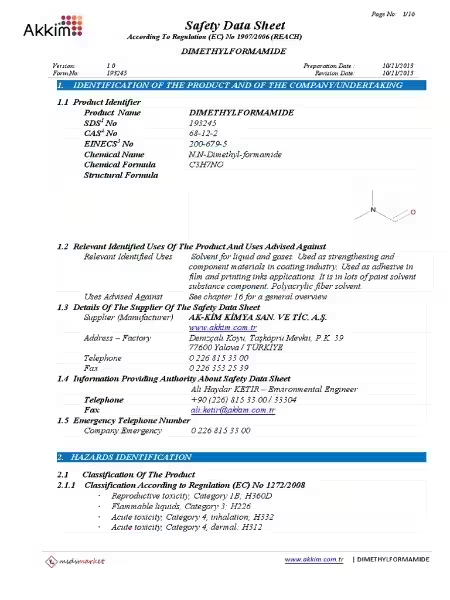
One of the most critical aspects of chemical training is learning to interpret Safety Data Sheets (SDS) and chemical container labels. These documents are vital sources of information about a chemical's hazards, safe handling procedures, and emergency response measures. Understanding the Globally Harmonized System (GHS) of classification and labeling is paramount, as it provides a standardized, internationally recognized approach to communicating chemical hazard information.
The GHS uses pictograms, signal words (such as "Danger" or "Warning"), and hazard statements to clearly communicate the potential risks associated with a chemical. Training should focus on interpreting these elements accurately and understanding their implications for safe handling practices. Failing to understand SDS information can lead to serious accidents and health consequences.
Mastering the GHS System
The Globally Harmonized System (GHS) is a crucial international standard for communicating chemical hazard information. Understanding the GHS pictograms, signal words, and hazard statements is essential for anyone working with chemicals. These elements are designed to provide a clear and consistent way to identify and understand the potential risks associated with a particular chemical, regardless of the manufacturer or location. This standardized approach helps to minimize confusion and improves safety across industries and geographical boundaries.
Proper chemical training should include hands-on exercises and practical application of the GHS system to solidify understanding and ensure proficiency.
Safe Handling, Storage, and Disposal Procedures
Chemical training extends beyond simply understanding SDSs and labels. It also includes practical instruction on safe handling, storage, and disposal procedures. This encompasses everything from proper ventilation and personal protective equipment (PPE) usage to the correct techniques for transferring, mixing, and diluting chemicals. The course should cover different types of hazardous chemicals, detailing their characteristics and the potential health effects from exposure. This section should also cover specific safe handling procedures for each.
Preventing Chemical Spills and Accidents
A significant portion of chemical training should be dedicated to spill prevention and response. This includes proper storage techniques, such as using appropriate containers and ensuring adequate ventilation. Knowing how to correctly handle spills is crucial. Learners should be taught how to identify the type of spill, the appropriate personal protective equipment (PPE) needed, and the steps to take for containment and cleanup without further endangering themselves or others. Training should emphasize emergency response protocols and procedures.
Emergency Response and Personal Protective Equipment (PPE)
Emergency preparedness is a vital component of chemical safety training. Participants should be familiar with emergency response protocols, including the appropriate actions to take in the event of a chemical spill or exposure. This includes knowing how to contact emergency services, the proper use of emergency equipment, and the steps to take to evacuate the area if necessary.
The importance of Personal Protective Equipment (PPE) cannot be overstated. Training should cover the various types of PPE available, when each type is appropriate, and how to properly use and maintain them. This includes eye protection, gloves, respirators, and protective clothing. Proper PPE selection and utilization are critical to preventing exposure and mitigating risks.
Formal chemical training programs offer numerous advantages. They ensure employees receive consistent and comprehensive instruction on chemical safety, leading to a safer and more productive work environment. Certification demonstrates a commitment to safety and can enhance professional credentials. Investing in chemical training is an investment in the safety and well-being of your workforce. By understanding and mitigating chemical hazards, a company can reduce the risk of accidents, injuries, and environmental damage. The benefits far outweigh the costs.
Understanding Chemical Hazards Online Training: FAQ
Here are some frequently asked questions about our "Understanding Chemical Hazards" online training course:
What does this course cover?
This course provides essential training on chemical safety, focusing on hazard recognition, prevention, and response. You'll learn to identify hazardous chemicals, interpret Safety Data Sheets (SDSs) and chemical labels (including the Globally Harmonized System or GHS), understand safe handling and storage procedures, and know how to respond to chemical spills. The course also covers various types of hazardous chemicals, their properties, and potential health effects. It emphasizes the importance of Personal Protective Equipment (PPE) and touches upon relevant OSHA HAZWOPER regulations (29 CFR 1910.120).
How long is the course, and how is it structured?
The course is concise, lasting approximately one hour. It uses a multimedia approach with audio narration, videos, and full-color graphics for an engaging and accessible learning experience.
How long do I have to complete the course?
You have up to 90 days of on-demand access to complete the course at your own pace.
What is the format of the course?
It's a completely online, self-paced course, accessible 24/7. This flexibility allows you to learn whenever and wherever it suits your schedule.
Will I receive a certificate upon completion?
Yes, upon successful completion of a brief test, you'll receive an instantly downloadable Certificate of Completion.
What are the learning objectives of this course?
The primary objective is to equip you with the knowledge and skills to safely handle, store, and dispose of hazardous materials, minimizing workplace risks. You will be able to interpret SDSs and chemical labels, identify hazardous chemicals, and understand appropriate safety procedures and emergency response protocols.
This course is beneficial for anyone who works with chemicals, regardless of industry or job title. It's particularly valuable for those who need a foundational understanding of chemical safety and hazard management.
Is this course aligned with any industry standards or regulations?
Yes, the course provides a foundational understanding of OSHA HAZWOPER regulations (29 CFR 1910.120).
What if I have questions during the course?
While this is a self-paced course, contact information for support will be provided within the course materials.
What kind of technology do I need to access the course?
You will need a reliable internet connection and a device capable of accessing online learning platforms (computer, tablet, or smartphone).
Are there any prerequisites for this course?
No prior knowledge of chemical safety is required. The course is designed to be accessible to all learners, regardless of their background.
What makes this course different from others?
Our course combines a concise curriculum with engaging multimedia elements, making learning efficient and enjoyable. The self-paced format and 90-day access provide maximum flexibility.
How is my progress tracked?
The online learning platform will track your progress through the course.
What type of assessment is included?
A short test is included at the end of the course to assess your understanding of the material.
What is the cost of the course?
[Insert pricing information here]
What if I fail the final assessment?
[Insert policy on retakes here]
Is the course available in multiple languages?
[Insert information on language availability here]
Is the course accredited?
[Insert information on accreditation, if applicable, here]
Does the course cover specific types of hazardous chemicals?
Yes, the course covers various types of hazardous chemicals, detailing their characteristics and potential health effects. This includes understanding the different classes of chemical compounds and their associated risks.
How does this course contribute to workplace safety?
By providing employees with essential chemical safety knowledge and skills, the course helps create a safer work environment by reducing the risk of chemical exposure and its associated consequences. It encourages proactive hazard identification and risk mitigation.