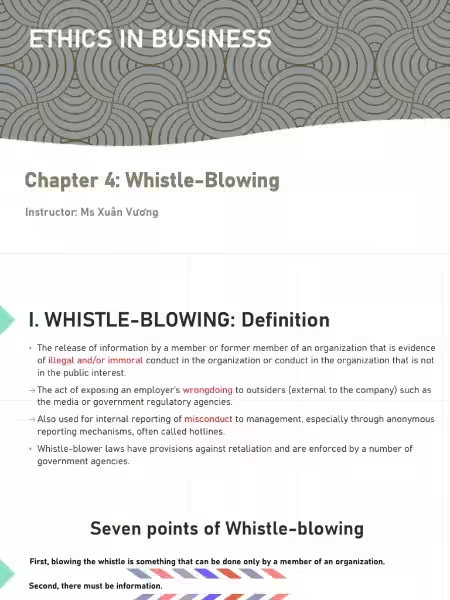
Whistleblowing, the act of revealing wrongdoing within an organization, presents a complex ethical dilemma. It forces individuals to confront a difficult choice: uphold their loyalty to their employer or prioritize their moral responsibility to expose unethical behavior. This article explores the ethical considerations surrounding whistleblowing, examining the conflicts involved and offering guidance for navigating this challenging situation.
The core of the whistleblowing dilemma lies in the tension between personal loyalty and ethical responsibility. Employees often feel a strong sense of loyalty to their company, their colleagues, and their superiors. This loyalty can be deeply ingrained, fostered by years of working relationships and shared experiences. However, when faced with unethical practices – fraud, corruption, or serious safety violations – this loyalty is challenged by a moral obligation to act.
This isn't simply a matter of following rules; it's about upholding fundamental ethical principles like honesty, fairness, and the protection of public well-being. The conflict becomes even more acute when considering the potential personal consequences of whistleblowing.
The Personal Cost of Doing the Right Thing
Whistleblowers often face significant personal risks. Retaliation from their employer can range from subtle forms of ostracism to outright dismissal, impacting their career prospects and financial stability. Furthermore, they may experience social isolation within the workplace, facing pressure to remain silent or facing accusations of disloyalty. The potential for legal battles and emotional distress further complicates the situation. These factors often outweigh the desire to do what is ethically right, creating a powerful deterrent to whistleblowing.
Defining Whistleblowing: Beyond Simple Reporting
Whistleblowing encompasses a range of actions. It's not just about reporting wrongdoing to internal authorities; it involves several potential actions.
Internal Reporting: This is the most common form, involving reporting concerns through established channels within the organization.
External Reporting: This involves reporting to external authorities, such as regulatory agencies or law enforcement.
Refusal to Participate: This involves refusing to participate in unethical activities, even under pressure.
Testifying in Legal Proceedings: This requires providing evidence and testimony in court or other legal settings.
Leaking to the Media: This is a more extreme measure, involving leaking information to the media to expose wrongdoing.
Each of these actions carries its own ethical considerations and potential consequences.
Navigating the Moral Maze
The decision to blow the whistle is rarely straightforward. It necessitates a careful evaluation of several factors: the severity of the wrongdoing, the potential impact on others, the likelihood of success, and the potential personal risks involved. Seeking guidance from trusted mentors, legal professionals, or ethics consultants can be invaluable in navigating this complex ethical landscape. The decision should be made with full awareness of the potential ramifications.
The Role of Workplace Culture
The culture of an organization plays a crucial role in shaping the ethical climate and influencing the likelihood of whistleblowing. A culture that prioritizes loyalty above ethical conduct creates an environment of fear and silence, discouraging employees from speaking up. Conversely, a culture that values transparency, accountability, and open communication empowers employees to report wrongdoing without fear of retribution.
Fostering a Culture of Ethical Conduct
Organizations can actively cultivate a supportive environment for whistleblowers through several measures:
Establishing clear reporting mechanisms: Anonymous reporting hotlines and secure online platforms allow employees to report concerns without fear of identification.
Providing comprehensive ethics training: Training programs should educate employees on ethical standards, their rights as whistleblowers, and the procedures for reporting wrongdoing.
Protecting whistleblowers from retaliation: Organizations must have robust policies in place to protect whistleblowers from retaliation, including disciplinary action against those who retaliate.
Promoting a culture of openness and transparency: This involves fostering open communication channels, encouraging feedback, and creating a safe space for employees to raise concerns.
Prioritizing Ethics: A Necessary Shift
True ethical conduct requires prioritizing moral obligations over company loyalty. While this principle may seem straightforward, the practical realities of potential job loss, social isolation, and personal risk create significant barriers. Creating a safe and supportive environment for whistleblowers is not just ethically responsible, it's also crucial for organizational integrity and long-term success. By proactively promoting a culture of transparency and accountability, organizations can minimize the need for whistleblowing and foster a more ethical workplace. Ultimately, this benefits both the organization and its employees. The goal is to create a workplace where ethical conduct is not only encouraged but expected, reducing the need for the often difficult and risky act of whistleblowing.
Frequently Asked Questions: Ethics and Whistleblowing
This FAQ section addresses common questions surrounding the ethical dilemmas inherent in whistleblowing.
What is whistleblowing?
Whistleblowing is the act of reporting illegal, unethical, or harmful activities within an organization to an authority that can address the issue. This can include reporting to internal authorities like a supervisor or compliance officer, external authorities such as law enforcement or regulatory bodies, or even leaking information to the media in extreme cases. It encompasses actions like reporting waste, fraud, abuse, corruption, or dangers to public health and safety.
What are the ethical dilemmas involved in whistleblowing?
The core ethical dilemma in whistleblowing centers on the conflict between loyalty to one's employer or colleagues and the moral responsibility to report wrongdoing. Whistleblowers often face a difficult choice between maintaining personal and professional relationships and upholding ethical standards. This is further complicated by the potential for significant negative consequences for the whistleblower, including job loss, social isolation, and even legal repercussions.
Is whistleblowing always the right thing to do?
While the moral argument for whistleblowing – upholding ethical standards and protecting the public – is strong, it's not always a straightforward decision. The potential for harm to oneself and others must be carefully weighed against the potential benefits of exposing wrongdoing. A thorough assessment of the situation, including potential consequences and the likelihood of successful redress, is crucial before acting. Seeking advice from legal counsel or ethical advisors is highly recommended.
What are the potential consequences for whistleblowers?
Whistleblowers face a range of potential negative consequences, including retaliation from their employer (e.g., demotion, termination, harassment), social isolation from colleagues, damage to their professional reputation, and even legal challenges. The severity of these consequences can vary greatly depending on the context, the nature of the wrongdoing reported, and the legal protections in place.
How can companies create a supportive environment for whistleblowers?
Organizations can mitigate the ethical dilemmas faced by employees and foster a culture of ethical conduct by implementing several key measures: establishing clear and accessible reporting channels (including anonymous reporting systems), providing comprehensive ethics training, creating a strong and visible commitment from leadership to ethical behavior, and ensuring robust protection against retaliation for whistleblowers. A supportive culture where ethical concerns are addressed promptly and fairly is crucial in reducing the need for whistleblowing and promoting organizational integrity.
What should I do if I suspect wrongdoing in my workplace?
If you suspect wrongdoing, carefully consider the situation, gather evidence, and seek advice from legal counsel, a trusted mentor, or your company's compliance officer. Assess the potential risks and benefits of reporting, considering the severity of the wrongdoing, the potential impact on yourself and others, and the likelihood of successful action. Remember that many organizations offer anonymous reporting mechanisms to help protect whistleblowers from retaliation. The decision to blow the whistle is a personal one, but informed decision-making is critical.