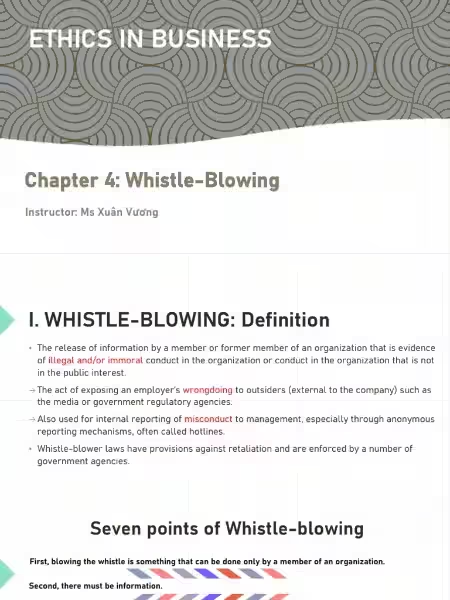
Whistleblowing, the act of reporting wrongdoing within an organization, often presents a complex ethical dilemma. While the impulse to expose waste, fraud, abuse, or threats to public safety seems inherently ethical, the reality is far more nuanced. This article explores the ethical considerations faced by whistleblowers, examining the challenges and offering guidance for navigating this difficult terrain.
The Ethical Tightrope: Balancing Duty and Self-Interest
The decision to blow the whistle often pits an individual's moral compass against their self-interest. Societal pressures against "tattling" are deeply ingrained, discouraging individuals from reporting even serious misconduct. Furthermore, the potential professional consequences, ranging from subtle ostracism to job loss, create a significant barrier to ethical action.
This isn't simply a matter of avoiding personal discomfort. Whistleblowers can face immense financial repercussions, particularly if their actions lead to significant fines or legal battles against their employer. The financial well-being of the company, and by extension, the whistleblower's own job security, might be directly threatened.
Beyond professional risks, whistleblowing can severely strain personal relationships. Reporting misconduct committed by a close colleague or friend can lead to feelings of guilt and betrayal, undermining the whistleblower's emotional well-being. This internal conflict highlights the intensely personal nature of the decision.
The Role of Company Culture
The organizational culture significantly shapes an employee's willingness to report misconduct. A culture characterized by a lack of transparency and intolerance of dissent creates an atmosphere of fear, discouraging employees from speaking up, even when witnessing unethical behavior. Employees may fear being labeled as disloyal, troublemakers, or even risk being fired for challenging the status quo. This silence allows unethical practices to thrive, ultimately harming the organization itself.
Conversely, a culture that prioritizes open communication and ethical conduct empowers employees to report wrongdoing without fear of reprisal. Such cultures foster a sense of psychological safety, encouraging individuals to raise concerns without jeopardizing their careers or relationships. This proactive approach to ethical conduct is far more effective than relying solely on whistleblowers to address misconduct.
Creating a supportive environment for whistleblowing is crucial for promoting ethical behavior within an organization. This requires a top-down commitment to ethical conduct, demonstrated not just through statements of policy but through consistent actions and a demonstrably ethical culture.
Several practical steps can be taken to encourage ethical whistleblowing:
Implementing anonymous reporting mechanisms: Anonymous hotlines and online platforms allow employees to report wrongdoing without fear of identification or retaliation.
Clearly communicating reporting procedures: Making reporting procedures easily accessible and understandable reduces ambiguity and empowers employees to act.
Integrating ethics training into employee development: Regular ethics training helps employees understand their ethical obligations and the proper channels for reporting misconduct.
Protecting whistleblowers from retaliation: Robust policies and procedures that safeguard whistleblowers from any form of reprisal are vital. This includes clear processes for investigating reports and protecting the identity of whistleblowers.
Promoting a culture of open communication and transparency: Creating an environment where employees feel comfortable raising concerns and sharing their views is paramount.
These measures collectively create a safe space for whistleblowers, reducing the perceived risks and encouraging proactive reporting of misconduct. The goal is not simply to react to wrongdoing but to prevent it in the first place through a robust ethical framework.
The Ethical Considerations for the Whistleblower
While the act of whistleblowing is often considered inherently ethical, the individual undertaking it faces numerous ethical challenges. The decision to report wrongdoing typically involves a careful weighing of several competing factors:
The severity of the wrongdoing: The more serious the misconduct, the stronger the ethical imperative to report it.
The potential harm to others: Whistleblowers must consider not only the harm caused by the misconduct but also the potential harm to innocent individuals who might be affected by their actions.
The likelihood of success: The chances of successfully exposing the wrongdoing and achieving positive change should be considered.
The potential risks to oneself: Whistleblowers must weigh the potential risks to their career, reputation, and personal well-being.
Navigating these considerations requires careful deliberation and, often, seeking guidance from legal counsel, ethics experts, or trusted mentors. The decision to blow the whistle is a deeply personal one, requiring a thorough assessment of the ethical implications for all parties involved.
Conclusion: Ethics in Whistleblowing – A Necessary Evil?
Ethics in whistleblowing are paramount. While the act itself is frequently framed as a necessary evil, the ideal scenario is one where ethical conduct is so ingrained within an organization that whistleblowing becomes unnecessary. A strong ethical corporate culture, coupled with robust reporting mechanisms and protection for whistleblowers, is essential for fostering transparency and accountability. Ultimately, the goal is to prevent wrongdoing before it necessitates the difficult and often risky act of whistleblowing.
Ethics in Whistleblowing: Frequently Asked Questions
What is whistleblowing, and is it always ethical?
Whistleblowing is the act of reporting wrongdoing within an organization, such as waste, fraud, abuse, corruption, or dangers to public health and safety. While the act of reporting wrongdoing is generally considered ethically sound – prioritizing moral obligations over company loyalty – the reality is far more nuanced. The ethical dimensions become complex due to potential personal and professional repercussions, and the need to balance one's moral duty with the potential harm to others. It's not always a simple "right" or "wrong" decision. The severity of the wrongdoing, the potential consequences, and the existence of safer internal reporting mechanisms all need careful consideration.
What are some of the ethical dilemmas faced by whistleblowers?
Whistleblowers often face a significant conflict of interest. They must balance their loyalty to their colleagues and employer against their moral obligation to expose wrongdoing. This can lead to feelings of guilt, betrayal, and stress. Furthermore, there's a very real risk of retaliation, ranging from subtle harassment to job loss. The potential for personal and professional damage is considerable, making the decision to blow the whistle incredibly difficult. Adding another layer of complexity, whistleblowers must consider the broader impact of their actions on innocent individuals who may be affected by their disclosure.
How does company culture influence whistleblowing decisions?
Company culture plays a massive role. Organizations with a culture of transparency and open communication are more likely to see employees come forward with concerns. Conversely, organizations with cultures that suppress dissent, prioritize loyalty above all else, or tolerate unethical behavior create environments of fear, making it highly unlikely that employees will report misconduct. These cultures significantly increase the personal risk associated with whistleblowing.
What steps can organizations take to encourage ethical whistleblowing?
Creating a supportive environment is key. This involves implementing clear and accessible reporting mechanisms, such as anonymous hotlines and clear procedures for reporting misconduct. Providing comprehensive ethics training that emphasizes the importance of reporting wrongdoing and protects whistleblowers from retaliation is vital. Furthermore, leadership must actively model ethical behavior and demonstrate a commitment to transparency and accountability. The goal is to prevent wrongdoing from happening in the first place, making whistleblowing less necessary.
What legal protections are available for whistleblowers?
Legal protections vary significantly, depending on location and the specific type of misconduct. Many jurisdictions have laws designed to protect whistleblowers from retaliation, but the specifics of these laws can be complex. Before taking any action, it is crucial to seek legal counsel to understand the applicable laws and potential risks and protections. Many whistleblowing programs offer anonymity, protection from retaliation, and even financial rewards. However, navigating this legal landscape is complex, and expert legal advice is highly recommended.
How can I decide whether or not to blow the whistle?
This is a deeply personal decision requiring careful consideration. Weigh the severity of the wrongdoing against the potential risks and consequences of reporting it. Consider seeking advice from trusted mentors, legal professionals, or ethics advisors. Evaluate available internal reporting channels and their effectiveness. Carefully assess the potential harm to yourself and others, and weigh the potential benefits of exposing the misconduct against the potential harms. There's no easy answer, but a thorough and considered process is essential.