Understanding the Importance of an Integrity Hotline
Understanding the Importance of an Integrity Hotline
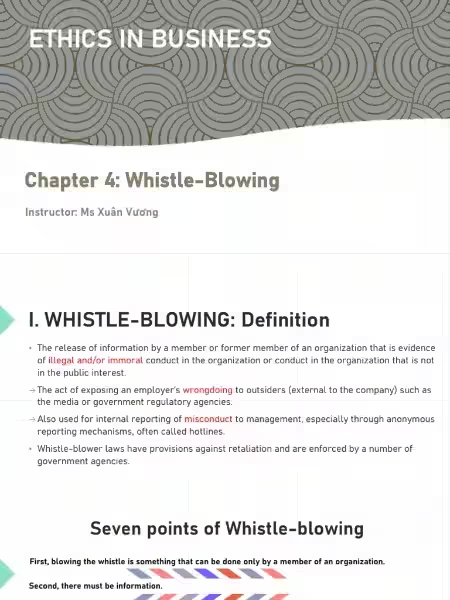
Do you work for a large organization and have concerns about unethical behavior? Knowing where to turn and how to report these issues safely and confidentially is crucial. This article explores the vital role of an integrity hotline within organizations, focusing on its purpose, benefits, and how it contributes to a culture of ethical conduct.
An integrity hotline, also known as a compliance hotline, ethics hotline, or speak-up line, is a confidential reporting mechanism established by organizations to allow employees, contractors, and even external stakeholders to report suspected violations of ethical standards, legal regulations, or company policies. These hotlines serve as a crucial bridge between those witnessing potential wrongdoing and the organization's internal mechanisms for addressing such concerns.
The primary goal is to provide a safe and accessible channel for reporting, encouraging individuals to come forward without fear of retaliation. This is achieved through various measures, including anonymity options, secure reporting systems, and dedicated teams trained to handle sensitive information with discretion. These hotlines are not simply suggestion boxes; they are integral to upholding ethical standards and ensuring accountability. Without them, unethical behaviors might go unreported, potentially causing significant harm to the organization and its stakeholders.
How Integrity Hotlines Work: A Step-by-Step Guide
The process of using an integrity hotline is generally straightforward and designed to be as user-friendly as possible. Many offer multiple reporting avenues, such as phone calls, online portals, and even email. These options cater to different preferences and levels of comfort.
Once a report is submitted, it's typically reviewed by a dedicated team, often an external third party, ensuring impartiality. This team carefully assesses the information provided, determining the seriousness of the allegation and whether a formal investigation is necessary. The protection of the reporter's identity is paramount, and contractual obligations often prevent the disclosure of personal information without explicit consent. The entire process adheres to strict confidentiality protocols, emphasizing the importance of a safe and secure reporting environment.
Confidentiality and Anonymity: Cornerstones of Effective Reporting
Confidentiality and, where possible, anonymity are the cornerstones of a successful integrity hotline. Individuals who suspect unethical activities should feel completely safe in reporting them, without fear of reprisal. The design of the system should guarantee their anonymity, where feasible, and prevent any identification of the reporter.
Many integrity hotlines utilize secure, encrypted systems to ensure the confidentiality of reported information. In some instances, reporters can choose to remain anonymous, further enhancing their protection. This commitment to privacy is crucial in encouraging reporting, as it removes one of the most significant barriers to disclosure: the fear of negative consequences. A well-designed integrity hotline prioritizes the protection of the reporter's identity while ensuring that the reported concerns are thoroughly investigated.
The Benefits of an Effective Integrity Hotline
The benefits of a well-implemented integrity hotline extend far beyond simply addressing individual incidents of misconduct. It plays a crucial role in fostering an ethical organizational culture, enhancing stakeholder trust, and mitigating potential risks.
Early Detection of Issues: Hotlines allow for the early detection of potential problems, enabling swift intervention and preventing minor issues from escalating into major crises.
Enhanced Accountability: The existence of an integrity hotline demonstrates a commitment to accountability and transparency, signaling to employees and stakeholders that ethical breaches will be taken seriously.
Improved Compliance: By proactively addressing potential violations, hotlines contribute to improved compliance with legal regulations and internal policies.
Risk Mitigation: Early detection and resolution of ethical concerns can help mitigate significant financial, reputational, and legal risks.
Stronger Corporate Culture: A robust integrity hotline fosters a culture of ethics and integrity, where employees feel empowered to speak up without fear of retaliation.
The Role of the Integrity Hotline at the World Health Organization (WHO)
The World Health Organization's (WHO) implementation of an integrity hotline serves as a strong example of how these mechanisms can function within a large international organization. Their system prioritizes confidentiality and the protection of whistleblowers, outsourcing management to a third-party company to ensure independence and impartiality. All reports are exclusively accessible to the WHO's Office of Internal Oversight Services (IOS), ensuring a systematic and impartial review of all allegations. This commitment to transparency and accountability strengthens the organization's ethical framework and promotes a culture of responsibility amongst its employees. The WHO integrity hotline model could serve as a benchmark for other international organizations looking to implement similar systems.
Conclusion: The Crucial Role of Integrity Hotlines in Modern Organizations
Integrity hotlines are not merely compliance tools; they are essential components of a strong ethical framework within any organization. By providing a safe and confidential channel for reporting concerns, they empower individuals to speak up, fostering a culture of accountability and transparency. The success of an integrity hotline depends on a combination of well-designed systems, dedicated personnel, and a commitment from leadership to prioritize ethical conduct. Utilizing an integrity hotline is not just a right; it's a responsibility for creating a more ethical and responsible workplace.
WHO Integrity Hotline FAQ
What is the WHO Integrity Hotline?
The WHO Integrity Hotline is a confidential reporting mechanism established by the World Health Organization to address concerns about ethical breaches and misconduct within the organization. It provides a secure channel for reporting potential wrongdoing, contributing to accountability and transparency within WHO operations.
How does the Hotline protect my confidentiality?
The hotline's management is outsourced to a third-party company, independently selected and contractually obligated not to share your personal information with the WHO without your explicit consent. You can choose to remain anonymous when submitting a report. All reports are exclusively accessible to the WHO's Office of Internal Oversight Services (IOS).
What kind of information can I report through the Hotline?
The hotline accepts reports regarding any potential ethical breaches or misconduct within the WHO. This includes, but is not limited to, violations of WHO policies, procedures, and ethical guidelines.
What happens after I submit a report?
Reports are reviewed by the WHO's Office of Internal Oversight Services (IOS). The IOS assesses the validity and seriousness of each allegation and determines whether a formal investigation is warranted. The scope and nature of any subsequent investigation will be governed by the IOS's established mandate and internal procedures.
Will I be retaliated against for reporting misconduct?
The WHO is committed to protecting whistleblowers. The hotline's design prioritizes confidentiality and anonymity to minimize the risk of reprisal. The contractual obligations placed on the managing third-party company further reinforce this commitment.
Who has access to my report?
Only the WHO's Office of Internal Oversight Services (IOS) has access to reports submitted through the hotline. The third-party company managing the hotline is contractually prohibited from sharing your information with the WHO without your explicit consent.
What if my report doesn't lead to an investigation?
Even if a formal investigation isn't initiated, your report still provides valuable feedback that can contribute to improvements within the organization. The information you provide helps the WHO understand potential issues and allows for proactive measures to prevent future misconduct.
Is the Hotline available 24/7?
[This would need to be verified and added. The answer would depend on the third-party vendor's operational hours.]
What languages are supported by the Hotline?
[This would need to be verified and added. The answer would depend on the third-party vendor's capabilities.]
How can I contact the Hotline?
[This would need to be verified and added. The answer should include contact information provided by the WHO for the hotline.]