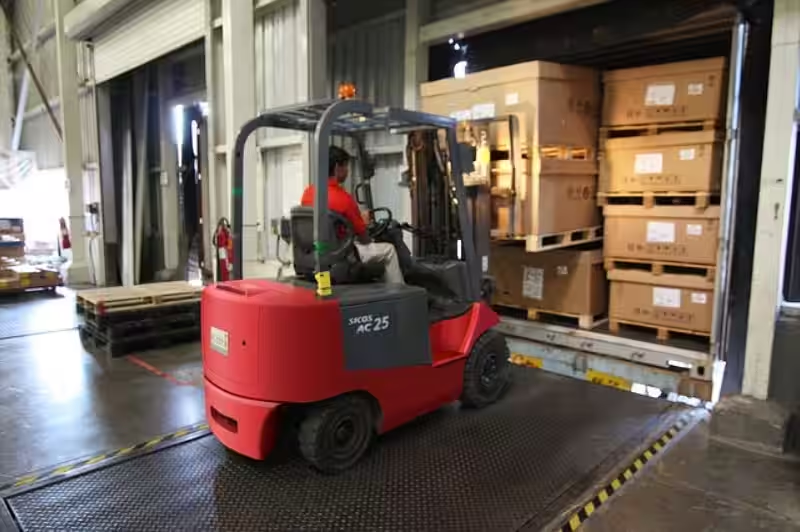
Understanding Forklift Hazards: A Comprehensive Guide
Understanding Forklift Hazards: A Comprehensive Guide
Forklift hazards are a serious concern in many workplaces. These powerful machines, while essential for material handling, pose significant risks to both operators and pedestrians if not handled correctly. This article will delve into the key hazards associated with forklift operation and explore practical solutions to mitigate these risks, creating a safer work environment for everyone.
Forklifts, while incredibly useful, are inherently dangerous machines. Their size, power, and potential for instability mean that accidents can have serious consequences. Understanding the underlying causes of accidents is critical to implementing effective preventative measures.
One of the most frequent causes of forklift accidents is operator error. This encompasses a wide range of issues, from inadequate training and speeding to reckless driving and failure to recognize hazards. Insufficient training leaves operators unprepared to handle unexpected situations and unaware of the machine's limitations. Speeding, particularly in congested areas, drastically increases the risk of collisions. Failing to check surroundings and anticipate potential hazards further contributes to incidents.
Another significant factor is poor maintenance. A malfunctioning forklift can unexpectedly fail, leading to accidents. Regular inspections, preventative maintenance, and prompt repairs are essential to maintain the equipment's safe operational status. Worn parts, hydraulic leaks, and faulty brakes can all dramatically increase the likelihood of accidents. The costs associated with preventative maintenance are far outweighed by the potential costs of accidents.
Environmental Hazards and Their Impact on Forklift Safety
The environment in which a forklift operates significantly impacts safety. Poor lighting conditions, for instance, can restrict visibility, increasing the likelihood of collisions. Obstacles, such as clutter, uneven surfaces, or poorly marked walkways, create challenges for operators and pedestrians alike. These environmental factors contribute to a higher risk of accidents.
The presence of both forklifts and pedestrian workers in the same area makes adequate space planning, clear signage and designated walkways crucial for safety. Poorly designed traffic flow patterns can lead to congested areas where collisions are more likely. Inadequate lighting can exacerbate this, as operators may not be able to clearly see obstacles or pedestrians in their path.
Specific Forklift Hazards: A Detailed Breakdown
Let's delve deeper into specific forklift hazards, highlighting why they are so dangerous and how they can be avoided:
Load Instability and Tipping
Improperly loaded forks are a major cause of forklift accidents. Overloading, uneven weight distribution, and improperly secured loads can all lead to instability and tipping. Forklift operators must be thoroughly trained in proper loading techniques, understanding weight limits and how to secure loads safely.
The consequences of a tipped forklift can range from minor damage to catastrophic injuries or fatalities. Even a small tip can result in significant property damage, while a major tip-over can crush workers or damage equipment. Regular training and adherence to weight limits are crucial preventative steps.
The blind spots inherent in forklift design are a constant concern. Operators need to be constantly aware of their surroundings and use caution when reversing or navigating tight spaces. Designated pedestrian walkways, clear signage, and audible warnings can help reduce the risk of collisions. Similarly, implementing speed limits in high-traffic areas is essential.
The severity of collisions significantly increases with higher speeds. Even at low speeds, a collision can cause serious injury. Implementing clear communication strategies, such as the use of hand signals and designated spotters, can further help to mitigate these risks.
Forklift Maintenance and Mechanical Failure
Regular maintenance is not merely a cost-saving measure; it is crucial for safety. Neglecting the routine inspection and maintenance of forklifts can lead to mechanical failures, which can result in accidents. Faulty brakes, leaking hydraulic fluid, and worn tires can all contribute to accidents. A comprehensive maintenance program is vital for maintaining the safe operation of forklifts.
The consequences of mechanical failure can range from minor inconveniences to catastrophic accidents. A sudden brake failure, for example, could result in a serious collision. Similarly, a tire blowout could cause the forklift to lose control. Regular inspections and preventative maintenance are essential for minimizing these risks.
Mitigating Forklift Hazards: A Multi-pronged Approach
Addressing forklift hazards requires a multifaceted approach. It's not enough to simply issue safety guidelines; a comprehensive strategy incorporating training, maintenance, and workplace design is crucial.
Comprehensive Training Programs
Thorough training is the cornerstone of forklift safety. Operator training programs must be comprehensive, covering not only the mechanics of operating the forklift but also safe operating procedures, hazard recognition, and emergency response. Regular refresher courses are also vital to reinforce safe practices and address any changes in procedures or equipment.
Effective training goes beyond simple instruction; it instills a safety-first culture in operators. It emphasizes proactive hazard identification and the importance of reporting any potential safety concerns. This proactive approach helps to prevent accidents before they occur.
Regular Equipment Inspections and Maintenance
Regular inspections and preventative maintenance are crucial to ensure the equipment is in safe working order. This includes not only routine maintenance but also immediate attention to any reported malfunctions. A robust maintenance schedule should be implemented and strictly followed, with records meticulously maintained.
Consistent maintenance reduces the likelihood of mechanical failures and contributes to the overall safety of the workplace. It is a cost-effective measure that can prevent costly accidents and downtime. Regular inspections should be conducted by trained personnel, and any necessary repairs should be made promptly.
Implementing clear safety regulations and strictly enforcing them is indispensable. This includes designated pedestrian pathways, speed limits, load capacity restrictions, and clear signage. Regular safety audits are essential to ensure compliance and identify any areas needing improvement.
Strict enforcement of safety regulations is as important as their implementation. Management must take a firm stance on safety violations, ensuring that workers understand the seriousness of non-compliance. Effective enforcement promotes a safety-conscious culture within the workplace.
Conclusion: Prioritizing Forklift Safety
Forklift hazards are a serious concern in many industries, but accidents are largely preventable through a proactive approach that combines comprehensive training, meticulous maintenance, strict safety regulations, and a strong safety culture. By addressing these key areas, businesses can significantly reduce the risk of forklift-related accidents, protecting their employees and maintaining a safe and productive work environment. Remember, prioritizing safety isn't just a moral obligation; it's a smart business decision.
Forklift Safety FAQs
What are the main hazards associated with forklift operation?
Forklift operation presents numerous hazards, impacting operators, pedestrians, and the facility. Key risks include improper operation (speeding, reckless maneuvering), load hazards (overloading, unsecured loads), inadequate maintenance (malfunctions from worn parts), pedestrian interaction, poor floor conditions (causing skids), overhead obstructions (collisions with raised loads), fueling and recharging hazards (fire and electrocution), forklift attachments (altered lift capacity and clearances), and blind spots (reduced visibility).
What training is necessary for forklift operators?
Comprehensive and rigorous training is paramount. This should include not only the mechanics of operating the forklift but also safe operating procedures, hazard recognition, emergency response protocols, load securing techniques, and awareness of specific hazards like blind spots and pedestrian interaction. OSHA-certified training is highly recommended. Training should also be tailored to address specific hazards related to the work environment (e.g., working with hazardous materials, operating on ramps or docks). Regular refresher training is also crucial to maintain safe operating practices.
How can I prevent forklift accidents caused by poor maintenance?
Regular inspections and preventative maintenance are essential. This includes checking for worn parts (tynes, brakes, lights, alarms), fluid leaks, and any other potential mechanical failures. A scheduled maintenance program should be implemented, and any faulty equipment should be immediately removed from service ("tagged out") until repairs are completed. Regular inspections should be performed by qualified personnel.
How can pedestrian safety be improved in areas with forklift traffic?
Pedestrian safety is a critical concern. Implement clear traffic management plans, designating pedestrian walkways separate from forklift operating areas and clearly marking these areas with signage. Install safety barriers where appropriate. Operators should be trained to be aware of pedestrians and use visual and auditory warnings (horns, spotlights). Consider using designated lookout personnel in high-traffic areas. High visibility vests for pedestrians should be mandatory.
What are the best practices for securing loads on a forklift?
Proper load securing techniques are critical to prevent falls and tip-overs. Operators must know and adhere to the forklift's weight capacity and attachment limits. Loads should be evenly distributed, properly secured using appropriate straps, chains, or other securing devices, and checked regularly to ensure they remain secure during transport. Training on proper load securing techniques is essential.
What role does the employer play in forklift safety?
Employers have a crucial responsibility to provide a safe working environment and adequate training. This includes providing OSHA-compliant training, implementing and enforcing safety regulations (speed limits, designated walkways, load capacity restrictions), conducting regular safety inspections, performing risk assessments, ensuring proper equipment maintenance, and fostering a strong safety culture where employees feel comfortable reporting hazards.
What is the importance of addressing blind spots in forklift operation?
Forklifts have significant blind spots, especially when loaded. Operators should be trained to be aware of these blind spots and operate cautiously, often reversing when visibility is impaired. Using a spotter, particularly in congested areas, is highly recommended. Improved workplace design, with wider aisles and strategically placed mirrors, can also help mitigate the risk of accidents caused by blind spots.
What personal protective equipment (PPE) should be used when working with or near forklifts?
Appropriate PPE should be mandated and consistently enforced. This includes high-visibility clothing (vests, jackets), safety shoes with protective toes and non-slip soles, and hearing protection in noisy environments. Hard hats may also be necessary depending on the specific workplace conditions.
How can a strong safety culture be fostered in a workplace that uses forklifts?
A strong safety culture is built on open communication, employee involvement, and a commitment to safety at all levels. Encourage employees to report hazards, provide regular safety training and updates, actively investigate accidents to identify root causes and implement corrective actions, and recognize and reward safe work practices. Regular safety meetings and open communication channels are also essential components of a strong safety culture.
What are the legal responsibilities regarding forklift safety?
Employers are legally obligated to comply with OSHA regulations regarding forklift safety, including providing adequate training, maintaining equipment in safe operating condition, and implementing safe operating procedures. Failure to comply can result in significant fines and potential legal action. Staying updated on current OSHA standards and best practices is crucial for compliance.