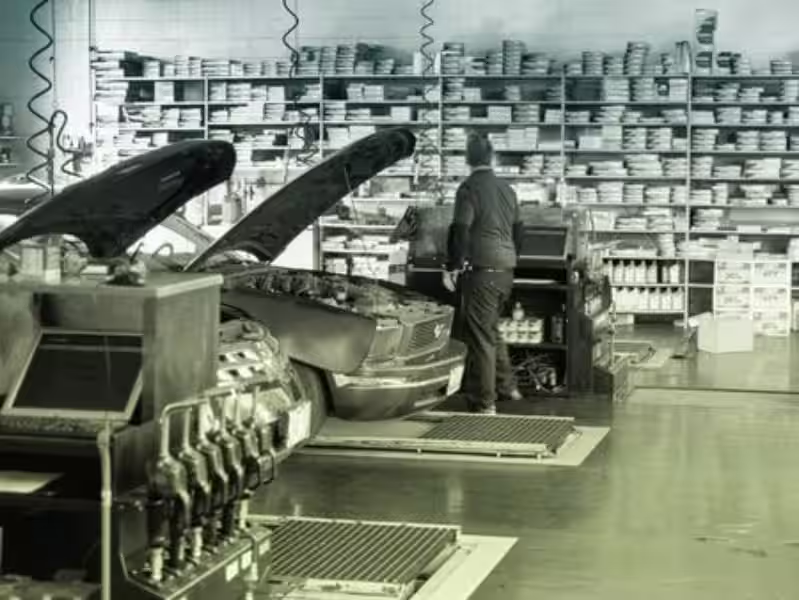
Mechanic Safety: A Comprehensive Guide to a Safer Workshop
Mechanic Safety: A Comprehensive Guide to a Safer Workshop
Automotive repair is a demanding profession, requiring skill, knowledge, and a deep understanding of mechanic safety. Failing to prioritize safety can lead to serious injuries, equipment damage, and legal repercussions. This article explores the crucial aspects of maintaining a safe and compliant automotive repair shop.
Shop Environment and Practices: The Foundation of Safety
A well-maintained shop is the first line of defense against accidents. Clutter is a major hazard; tools and equipment should be stored neatly and strategically. Clearly marked walkways and designated storage areas minimize tripping hazards and streamline workflow, promoting efficiency and safety.
Regular cleaning is essential. Oil spills, grease, and other fluids create slippery surfaces. Immediate cleanup prevents accidents and protects both employees and customers. Providing absorbent materials and clearly outlining spill response procedures is crucial. A designated area for waste disposal ensures proper handling of hazardous materials.
Personal Protective Equipment (PPE): Your First Line of Defense
PPE is not optional; it's mandatory. The type of PPE required varies depending on the task, but essential items include:
Safety Glasses or Goggles: Protect eyes from flying debris, chemical splashes, and intense light.
Gloves: Choose gloves appropriate for the task, ranging from general-purpose work gloves to specialized chemical-resistant gloves. Consider cut-resistant gloves when handling sharp objects.
Hearing Protection: The noise levels in a repair shop can be significant, leading to hearing damage over time. Ear plugs or muffs are essential.
Respiratory Protection: Depending on the task, respirators may be necessary to protect against harmful fumes and dust.
Protective Clothing: Durable, close-fitting clothing minimizes the risk of snagging on machinery or being caught in moving parts. Avoid loose clothing, long sleeves, and dangling jewelry.
Regular inspection and replacement of damaged PPE is vital. Employees should be trained on proper use and care of all PPE.
Vehicle Handling: Safe Practices for Secure Work
Working under vehicles necessitates safe lifting and support. Always use jack stands, never rely solely on a jack. Ensure the stands are correctly positioned and rated for the vehicle's weight. Never work under a vehicle supported only by a jack.
Before starting any work, disconnect the battery to prevent electrical hazards. Check engine and exhaust system temperatures to avoid burns. Use caution when handling pressurized systems, like the radiator. Never place your hands near moving engine parts. Properly secured vehicles prevent accidental rolling or movement.
Specific Safety Procedures: Avoiding Common Hazards
Certain tasks demand specific precautions. Always disconnect the battery before working on electrical systems. Never leave tools on the vehicle's hood or in a location where they could fall and cause injury. Be mindful of hot engine components, pressurized systems, and the ever-present risk of chemical spills.
Proper ventilation is crucial when working with chemicals, solvents, and paints. Use exhaust fans and ensure adequate airflow to minimize exposure to harmful fumes. Always follow the manufacturer's instructions for handling and disposal of any chemical products.
Legal and Regulatory Compliance: Meeting the Standards
Mechanic safety extends beyond individual practices; it encompasses regulatory compliance. Automotive repair shops must adhere to various federal, state, and local regulations, including:
OSHA (Occupational Safety and Health Administration): OSHA sets standards for workplace safety, including PPE use, hazard communication, and emergency response plans.
EPA (Environmental Protection Agency): The EPA regulates the handling and disposal of hazardous materials, including refrigerants.
State and Local Regulations: These regulations often address specific environmental concerns, waste disposal, and building codes.
Regular training on safety regulations is crucial to ensure compliance and protect employees. Maintain detailed records of training, inspections, and safety procedures.
Essential Protective Apparel: A Deeper Look at PPE
The importance of appropriate attire cannot be overstated. Beyond standard work clothing, certain garments offer crucial protection:
Flame-Resistant Clothing: This is essential when working near open flames or hot surfaces.
Chemical-Resistant Clothing: This protects against spills and splashes of hazardous substances.
Cut-Resistant Gloves: These protect against sharp edges and tools.
Steel-Toe Boots: These protect feet from dropped objects and heavy equipment.
Regularly inspect and replace damaged or worn work clothing.
Maintaining a Culture of Mechanic Safety
A culture of safety is not simply a checklist; it's a mindset. It involves regular safety meetings, open communication about hazards, and a commitment to continuous improvement. Encourage employees to report near misses and safety concerns without fear of reprisal. This proactive approach identifies potential hazards before they lead to accidents.
Implement a robust safety program with clearly defined procedures, regular inspections, and a system for reporting and addressing safety issues. This comprehensive approach ensures a safe and productive working environment. Remember, mechanic safety isn't just about following rules; it's about fostering a culture of respect for safety and a commitment to protecting everyone in the workplace.
Mechanic Safety FAQ
What are the most important safety measures in an auto repair shop?
Maintaining a safe auto repair shop requires a multifaceted approach. It begins with a clean, organized workspace to prevent trips and falls. Strict adherence to a no-smoking policy is crucial due to flammable materials. Properly functioning fire extinguishers, strategically placed, are essential. This is further enhanced by the consistent use of appropriate Personal Protective Equipment (PPE), safe vehicle handling procedures (including secure support when working underneath vehicles), and diligent adherence to all relevant safety regulations (federal, state, and local). Regular employee training on all these aspects is paramount.
What Personal Protective Equipment (PPE) is required?
The specific PPE required depends on the task, but generally includes: safety glasses or goggles to protect eyes from flying debris and chemicals; gloves to protect against cuts, burns, and chemical exposure; hearing protection to reduce noise exposure; sturdy, close-fitting clothing (ideally provided uniforms) to prevent loose clothing from getting caught in machinery; and steel-toed shoes to protect feet from dropped objects.
How should vehicles be handled safely?
Working under vehicles requires using secure jack stands or lifts to prevent crushing injuries. Never leave the vehicle's key in the ignition. Always check engine and exhaust system temperatures before starting work to avoid burns. Never place hands near running engines or moving parts. Remember to disconnect the battery before working on electrical systems.
What are the rules regarding chemicals and spills?
Proper chemical storage, away from heat and ignition sources, is vital. All spills must be cleaned immediately using the appropriate absorbent materials and disposal methods. Employees should never eat or drink near chemicals to prevent accidental ingestion. Proper ventilation is also important. Adherence to all relevant regulations regarding hazardous waste disposal (like the Resource Conservation and Recovery Act) is mandatory.
What are the legal and regulatory requirements for auto repair shops?
Auto repair shops must comply with numerous federal, state, and local regulations. Federal regulations include EPA requirements (Clean Air Act for refrigerant handling), OSHA standards (for worker safety and PPE use), and hazardous waste disposal regulations (Resource Conservation and Recovery Act). State regulations often involve environmental protection agency stipulations, DMV requirements, and vehicle emissions testing. Local regulations might include building codes, fire safety standards, and specific waste disposal rules. Regular employee training is essential for compliance.
What is the importance of regular training and communication?
Regular employee training on fire safety, electrical hazards, chemical spill response, and proper use of equipment is vital for safety and compliance. Open communication is crucial; employees should feel comfortable reporting safety concerns without fear of reprisal. This fosters a safer work environment and allows for proactive hazard identification and mitigation.
What about shop maintenance and organization?
Maintaining a clean and organized workspace is paramount. Clutter creates tripping hazards and hinders access to safety equipment. Regular inspections are needed to identify and address potential hazards, including faulty equipment or loose wires. Preventative maintenance on all equipment is also crucial to prevent malfunctions and accidents.
What are the procedures for emergencies?
A comprehensive emergency plan should be in place, covering injuries, fires, and other incidents. This includes readily accessible and well-stocked first-aid kits, clearly marked emergency exits, and training on the use of fire extinguishers and evacuation procedures. Employees should be trained on emergency procedures and know how to contact emergency services.
How can I ensure compliance with all safety regulations?
Stay updated on all relevant federal, state, and local regulations. Regularly review and update safety procedures, and conduct employee training to ensure everyone understands and follows these procedures. Consider seeking guidance from safety professionals or regulatory bodies if needed. Maintain detailed records of all safety training, inspections, and incidents.